
The coffee grinders start before nine, the first boerewors hits the fire not long after, and by half past eight there are people queueing for tomatoes with a flat white in the other hand. Johannesburg does not really have a food market. It has a weekend migration, east to west, inner city to suburb, Saturday morning rolling into Sunday afternoon, and following it is the cheapest way to understand how this city socialises. This is that circuit in the order it happens, with the door and parking realities that decide whether your Saturday works.
Start before nine or you have already missed half of it
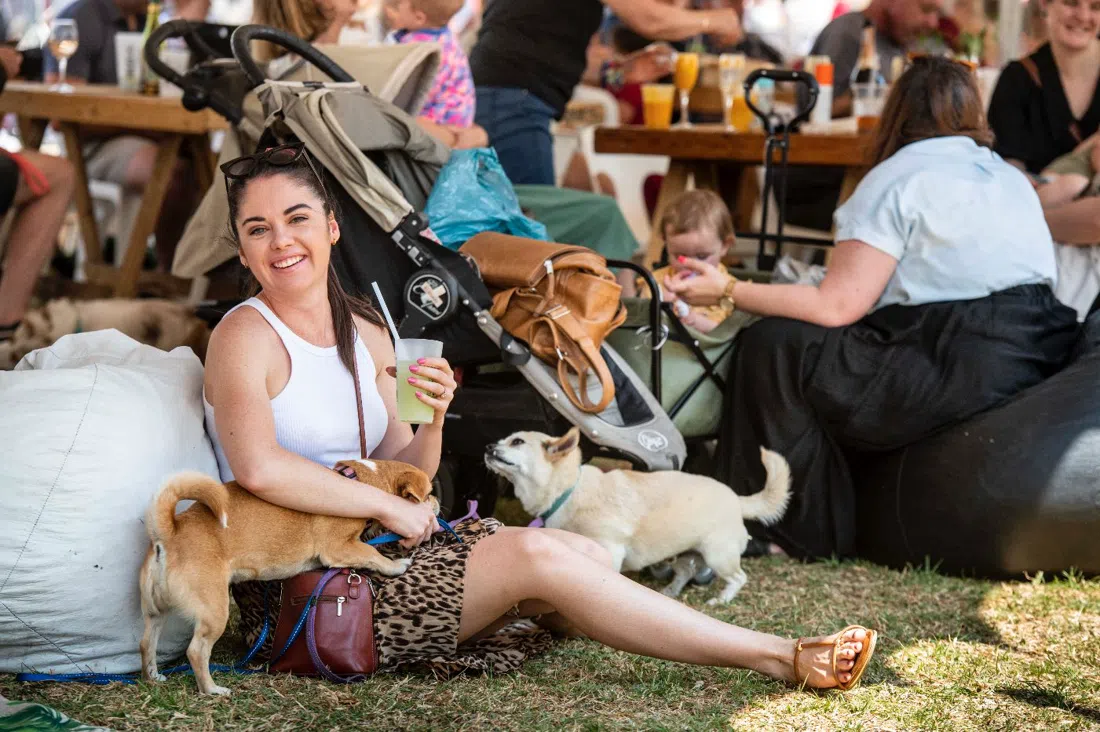
Jozi Real Food Market opens at 08:30 and closes at 13:00, Saturdays only, and that four-and-a-half-hour window is the tightest on the circuit. It is also the purest version of the ritual: a genuine shopping market rather than a food court, so people come with cooler bags and leave with vegetables, not just brunch. Entry is free, there is no door policy and nothing is ticketed, just an open lawn with benches under the trees, which means a group of eight can spread out and nobody minds. Dogs and kids are welcome, so it absorbs family-sized parties better than any indoor venue. Budget R60 to R180 for a plate and R40 to R70 for coffee and a pastry; produce sits at farm-gate prices, which is the actual reason regulars come. The old jozifoodmarket.co.za domain is dead, so after heavy rain check the market's Facebook page, because weather cancellations are announced there and nowhere else.
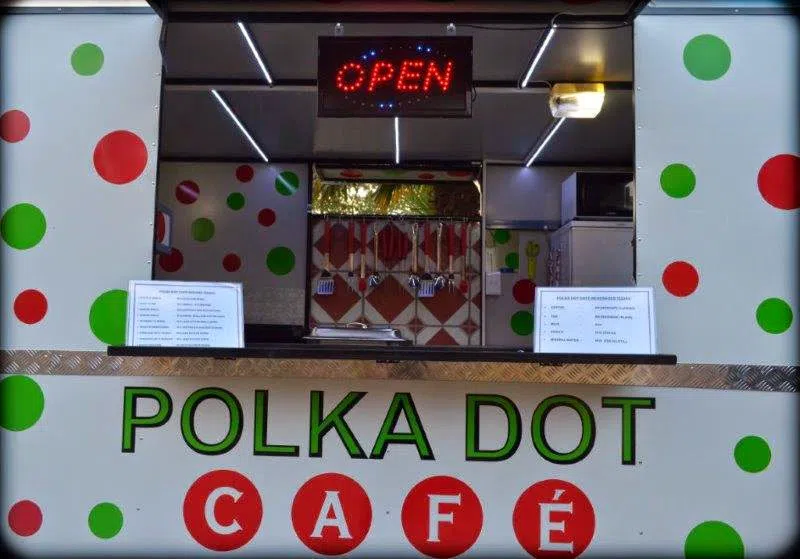
Bryanston Organic & Natural Market (Bryanston) is the suburban end of the same morning and the oldest continuously trading market on this list, running since 1976 and still a registered trust that funds the school whose grounds it uses. It trades Thursdays and Saturdays only, 9am to 3pm. The site sprawls: picnic lawns, several coffee shops, shade, room to lose a toddler and find them again. No bookings, no door policy, and a party of ten or more is unremarkable here. Meals run R70 to R160, organic produce sits mid-to-high, and the one thing that will ruin your morning is parking, which fills by 10am on a Saturday. Arrive by 9:30 and the day is easy; arrive at 11 and you will walk.
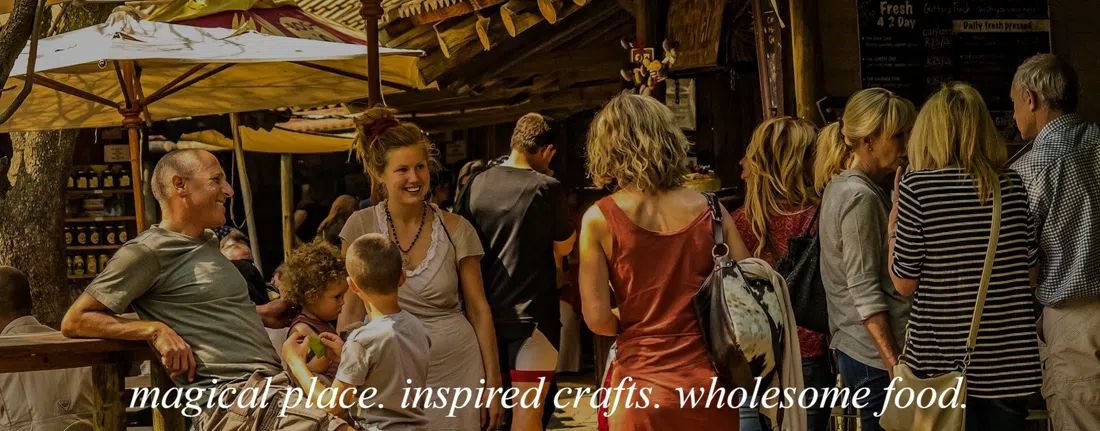
The northern lawns are where big groups actually work
4 Ways Farmers Market (Taroko Farm, Modderfontein) is the easiest venue in this whole guide for a party of fifteen: R25 a head at the gate (small change, roughly a euro), free parking, enormous lawns and multiple bar gardens, so the drinkers and the picnic blanket contingent can coexist. Dog-friendly, with a kids' play area included in entry. Plates run R80 to R200 and craft cocktails and beer R60 to R120. A lot of guidebooks still get the next part wrong: this is the former Fourways Farmers Market, and it no longer trades at the Fourways nursery site next to Montecasino. It moved, it renamed, and it now runs Saturdays and Sundays at Taroko Farm in Modderfontein. Put the current address into your maps app before you drive, not the name.
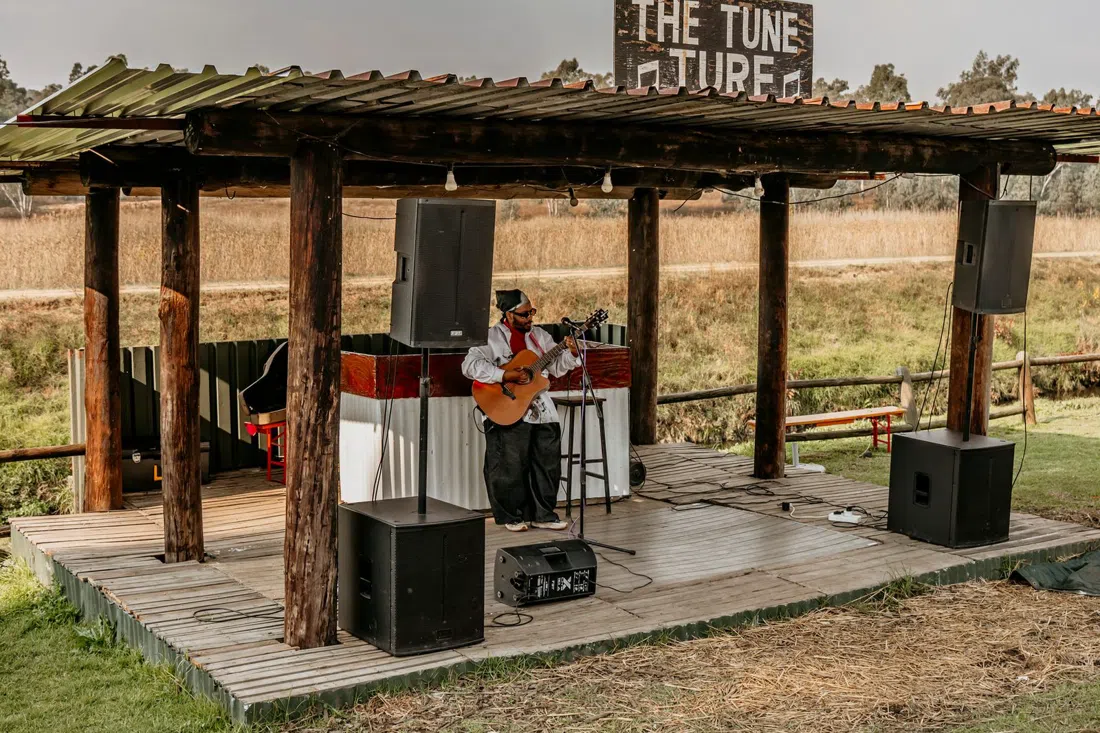
Prison Break Market (Kya Sand) is the circuit's escape valve rather than part of the migration proper. It trades Wednesday to Sunday, 9am to 5pm at weekends, which makes it the only stop that catches anyone who slept through Saturday morning. It is a permanent shed-and-yard eatery precinct rather than a trader market, so the character is different: fixed kitchens, ample parking, seating that swallows a large table without negotiation. Mains are the priciest on the circuit at R90 to R220, drinks R60 to R140. It is card-only, so nobody in your group should turn up with just notes.
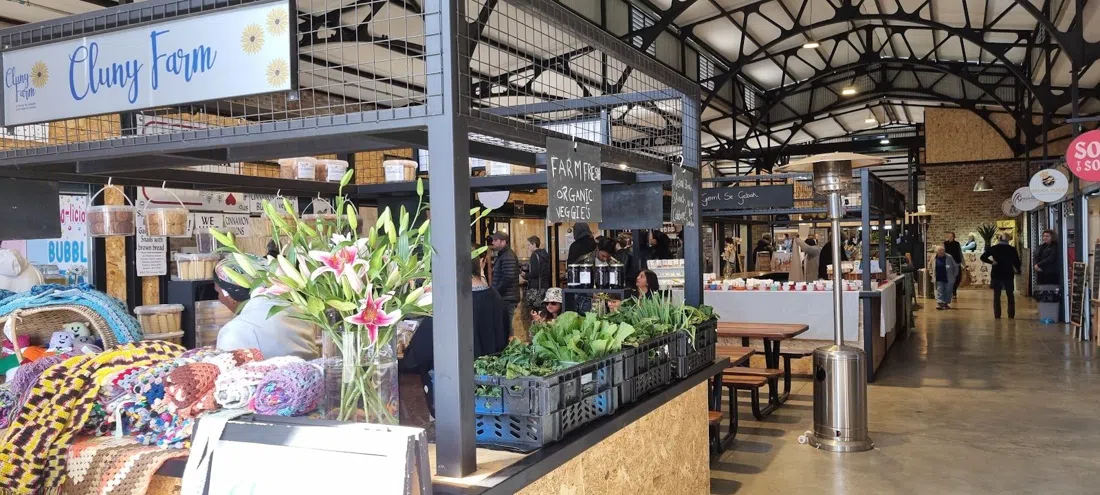
Braamfontein and the market that is not there any more
This is the leg that generates the most disappointed messages, so be clear about it. The Neighbourgoods Market in Braamfontein closed for good in March 2020. Articles, listicles and old blog posts still send people to that address on a Saturday morning expecting a hundred stalls, and what occupies the building now is something else.
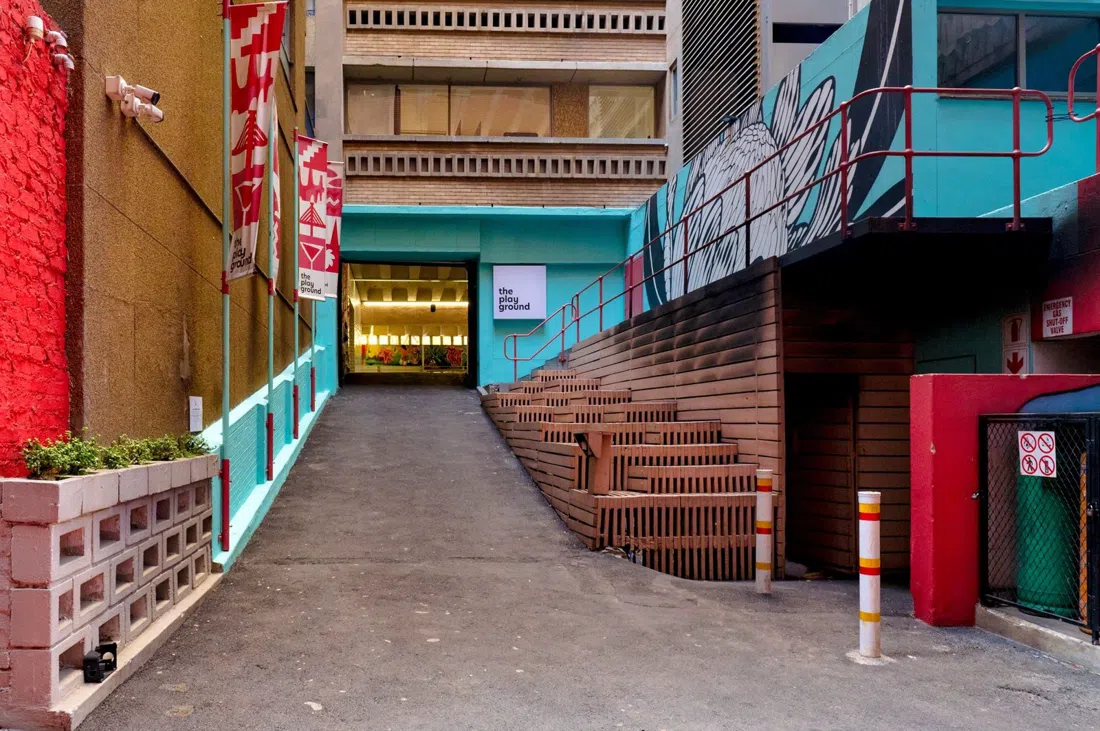
The Playground (Braamfontein) is that something else: a venue from a Neighbourgoods co-founder, with a handful of resident food traders plus live music rather than the old stall format. Saturdays it runs 11am to 7pm, and that timing is the thing to plan around, because it opens as the farm markets are closing. It is your midday-to-evening stop rather than your morning one. Capacity is 1,000 standing, general entry needs no reservation, and the balcony takes big groups comfortably. Street-food plates are R70 to R160 and drinks R50 to R120. It is strictly cashless, card or Yoco only, so warn everyone before you leave the house. There is no charm in one friend standing at the bar with two hundred rand in notes and no way to spend it.
Three markets that only come round once a month
Monthly markets are where Johannesburg keeps some of its best food, and they are also where trips go wrong, because two of them fall on the same day.
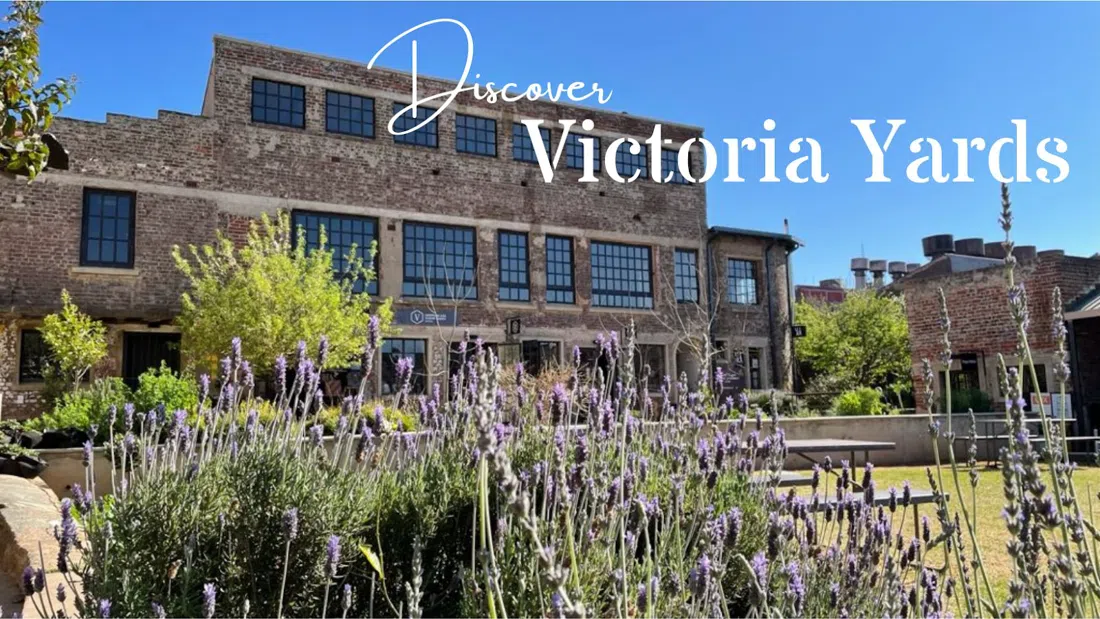
Victoria Yards First Sunday (the precinct east of the city centre) runs the first Sunday of every month except January, roughly 10:00 to 16:30, free admission with secure on-site parking. It is the most photogenic stop here and, unusually, there is real substance behind the photographs: working artist studios, urban farming plots and community programmes rather than a car park full of gazebos. Garden lawns and multiple courtyards make it genuinely comfortable for a group, and leashed dogs are fine. Food sits at R60 to R150, drinks R45 to R80.
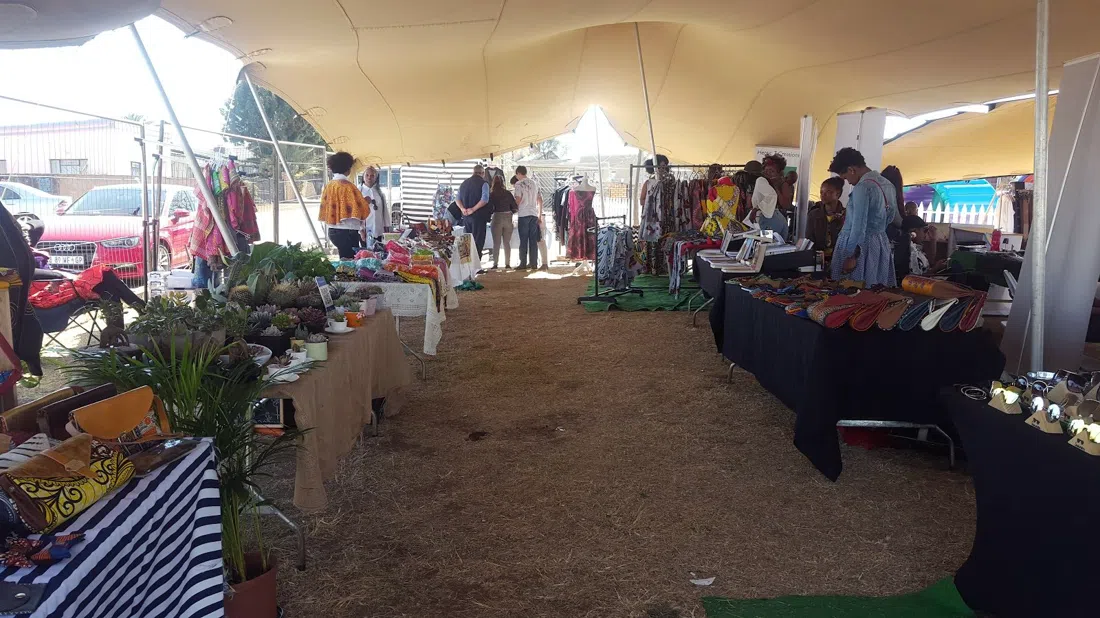
Locrate Market (Soweto) also falls on the first Sunday, and it is the necessary counterweight to everything happening in the northern suburbs: modern township cooking, independent designers, live music, hundreds of people and plenty of standing room, so a group is the norm rather than an imposition. Food is R50 to R140 and drinks R40 to R90. Two logistics points matter. The venue alternates between the corner of Kudu and Moema Streets and Lebo's Soweto Backpackers on Pope Street, so confirm the address for the specific edition rather than the market in general. And its old locratemarket.co.za domain no longer resolves, so its social channels are the only reliable source for the next date. It is confirmed trading through 2026, and the June edition ran 12:00 to 20:00 with a full live line-up, which tells you it is an evening as much as an afternoon.
If you want both on the same first Sunday, do Victoria Yards from opening and move to Soweto in the early afternoon. Trying it the other way round means arriving at Victoria Yards as the stalls pack down.
Field Market (Sandton) takes the second Saturday of the month, 10:00 to 15:00, in open parkland, so bring blankets and as many people as you like, family and pets included. Food is R60 to R150, drinks R50 to R100. Ten years in the same park and it is one of the best-run small markets in the city; it recently funded four owl houses with the Owl Rescue Centre, which is a fair summary of the kind of market it is. Monthly only, so check the date before building a Saturday around it.
Sunday closes the loop
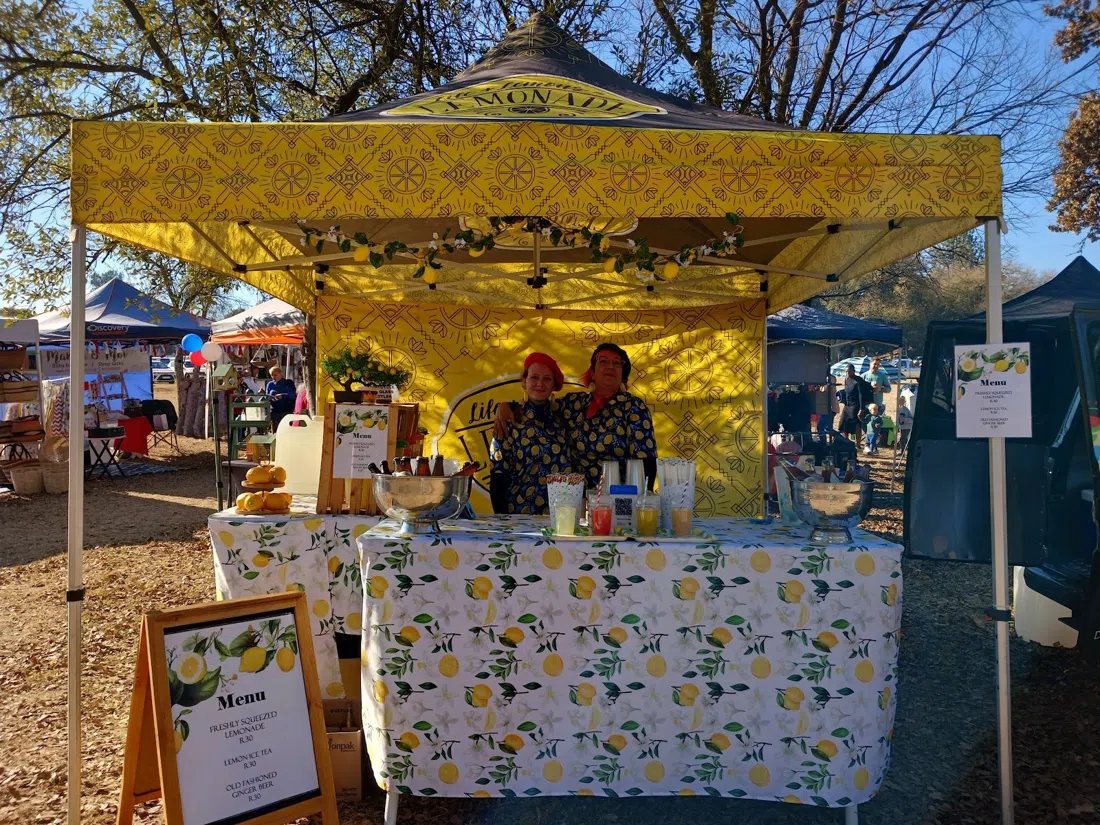
Market on Main (Maboneng) is the market that started the precinct's reinvention in January 2011 and is still its anchor, but it is a Sunday market, 10:00 to 15:00, so it closes the weekend rather than opening it. This is where the eating gets specific: bunny chow, boerie rolls, and snoek on roosterbrood (smoky grilled fish on bread cooked over coals) alongside the design tables. Street-food plates run R60 to R150 and drinks R50 to R90. Entry is free with no door policy. Courtyard picnic tables and the Canteen restaurant inside handle groups, but the yard is tight by midday, so a party of ten should arrive at opening or accept standing.
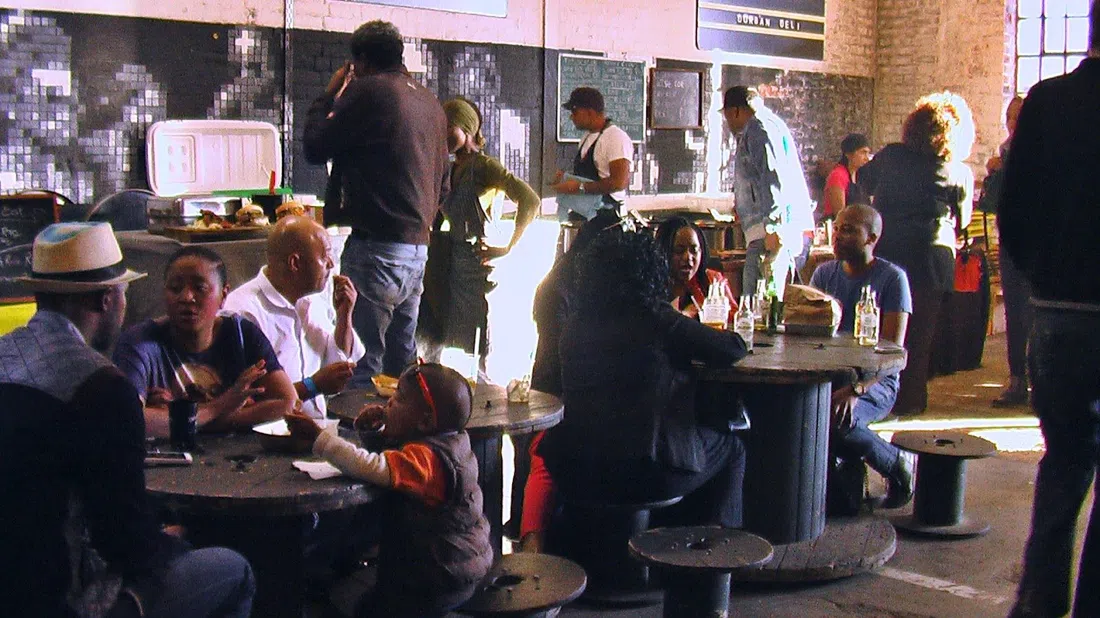
Rosebank Sunday Market (Rosebank) is the softest landing in the city for an international visitor and the most group-proof stop on the circuit: every Sunday, 09:00 to 16:00, free admission, mall parking underneath and Gautrain access straight from Rosebank station. Thirty years old, on the roof, with gourmet stalls, fresh juices and organic produce alongside vintage clothing, records and antiques, plus a kids' area. Food is R60 to R150 and craft beer and wine R50 to R120. Be honest with yourself about what it is, though: browse-and-graze rather than a serious produce market. Nobody does their week's shopping here.
The working markets, which are not brunch
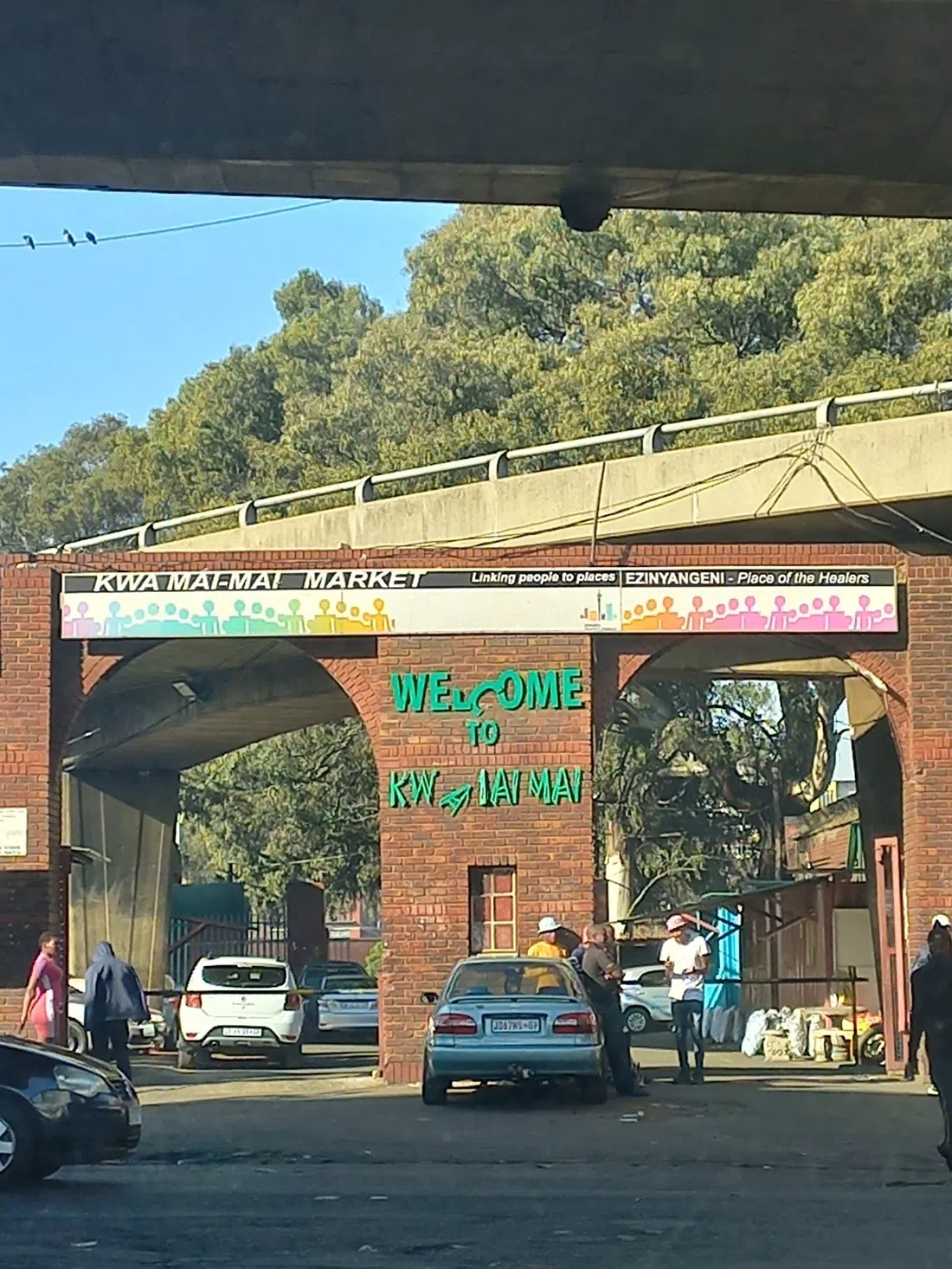
Kwa Mai-Mai Market (city centre) is the oldest living market culture in Johannesburg, home to traditional healers, leatherworkers making shields and sandals, and one of the city's great braai kitchens. It is open daily and free to walk into, and a full shisanyama plate of grilled meat, pap and chakalaka runs R60 to R150. Groups are fine and welcome, but frame it properly: this is a working traditional market, not a leisure venue. Go earlier in the day, ask before you photograph a trader, and take a local guide if you can, because the difference between wandering through and being shown around is enormous. The Johannesburg Heritage Foundation gave it a blue plaque in July 2025, and it earns the recognition.
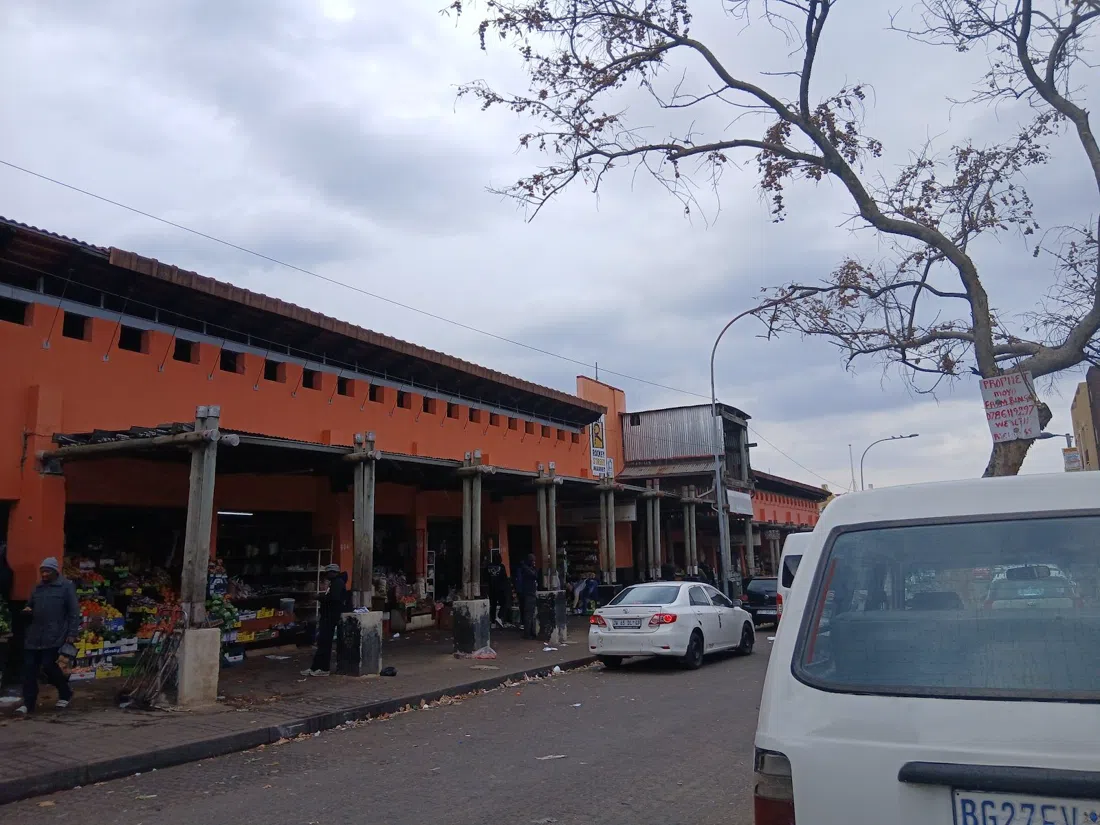
Rockey Street Market (Yeoville), also called the Yeoville Market or the Congolese Market, trades daily, free to enter, no door policy, and is arguably the oldest food market in the city. It is the one stop that proves Johannesburg's market culture is continental rather than artisanal: cassava, plantain, dried fish, produce at prices nothing in the northern suburbs can approach, and a cooked plate nearby for R40 to R90. It is a dense working street market, so small groups move through it far more easily than large ones. Go in daylight, travel light, and ideally go with someone who knows Yeoville. That is a plain practical note, not a reason to skip it.
Saturday's night shift
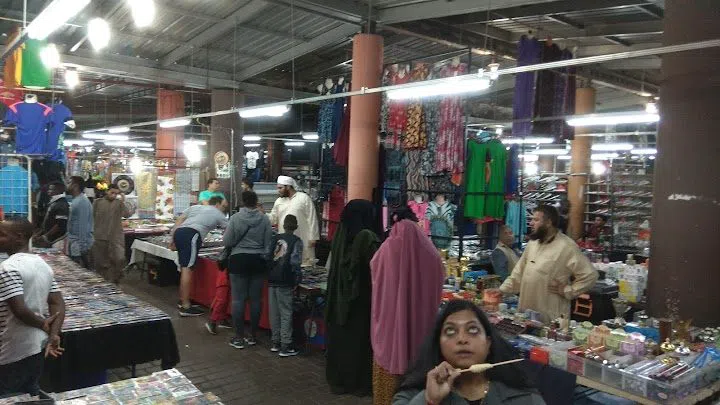
Fordsburg Night Market (Fordsburg) is where the day ends. Vendors set up from late afternoon on Friday and Saturday evenings, there are no fixed official hours, and the crowd is families rather than a bar crowd. Nearly everything is halaal, the South Asian cooking is the best value anywhere in this guide, and dishes run R30 to R120. You can eat properly for the price of a single cocktail in Modderfontein. For a group, arrive between 5 and 7pm before the queues build, and park at the Oriental Plaza and walk across rather than circling for a space on the street.
Two dates worth planning a trip around
The Linden Market (Linden) is the city's biggest market weekend, 09:00 to 16:30 across a full Saturday and Sunday, with big open gardens and room for large groups and picnics. Food runs R70 to R180 and drinks R60 to R120, and there is a low entry fee. The catch is frequency: four editions a year (autumn, winter, spring and festive), so it is a date you build a trip around rather than a stop on a normal Saturday. Expect heavy traffic and a decent walk from wherever you park on the Saturday. Check the site for the next edition before you promise anyone anything.
Halaal Goods Market (a pop-up, venue varies by edition) is Johannesburg's original artisanal halaal market and a proper event rather than a market morning: 70-plus small businesses, 42 of them women-owned, Saturdays running 10:00 to 22:00 with an evening comedy show. Entry is ticketed per day, roughly R50 to R100, and editions sell out, so a group buys in advance or does not go. Plates are R70 to R180. It runs a handful of times a year, so always confirm the next dated edition.

Building the day
The honest version of a Saturday is two markets, not five. Open at Jozi Real Food Market at 08:30 for the shopping and the coffee, move to Bryanston or the Modderfontein lawns by 10:30 for a long sit-down, and if you still have appetite, take The Playground from midday for music and a plate. Sunday is the softer day: Market on Main from opening, Rosebank in the afternoon, or the whole day in Soweto and at Victoria Yards if it is the first of the month. Staying central puts Maboneng, Braamfontein and the city-centre markets within a short e-hail; a Johannesburg hotel search filtered around Rosebank instead gives you Gautrain access and a market on your doorstep every Sunday. The Johannesburg guide covers the wider ground, including restaurants, precincts and getting around.
Practical notes
The Gautrain reaches Rosebank directly, and that is the only market on this list you can reach on rails without a further hop. For everything else, e-hailing is the default and works well between precincts; a car is genuinely worth it for the northern lawns, where parking is free but fills early. Park at the Oriental Plaza for Fordsburg.
Payment is mixed, and getting it wrong is the most common irritation. The Playground and Prison Break Market are card-only. Fordsburg, Kwa Mai-Mai, the Yeoville market and most produce traders are happiest with cash. Carry R300 to R500 in notes and a card, and you are covered everywhere.
The farm markets are a morning proposition and close at 13:00 or 15:00, so the single biggest mistake is a leisurely 11am start. Sunday markets run later, to 15:00 or 16:00. Fordsburg and The Playground are the only reliable evening options.
Plan R250 to R450 a head for a full market day with a couple of plates, coffee and a drink. R25 at the gate in Modderfontein and R50 to R100 for a Halaal Goods Market ticket are the only entry fees you will pay. Everything else on this list is free to walk into.