The Johannesburg issue
How Johannesburg Works Without a Rental Car
A rail spine, two competing ride apps, one usable bus corridor and a set of guided walks: what a car-free Joburg trip actually runs on, and the hour it stops.

By Bram VerhoevenThe city read by its neighbourhoods
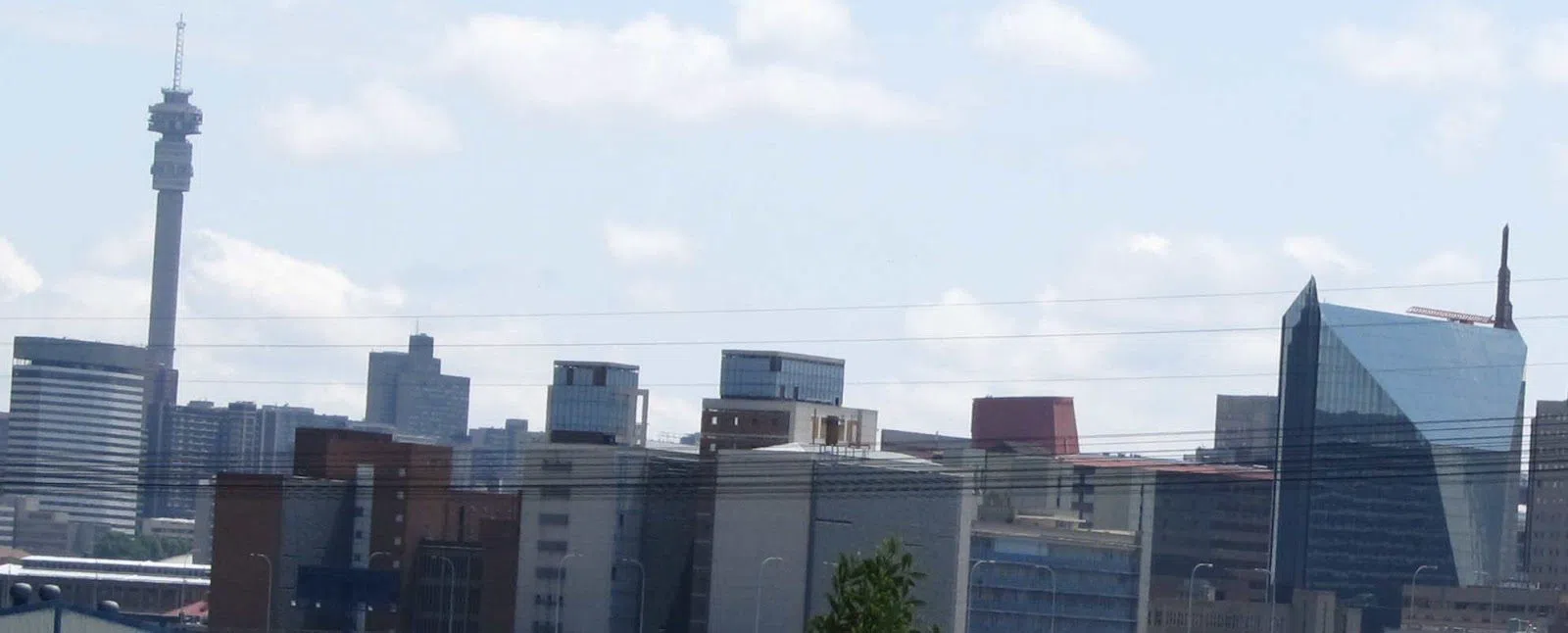
Johannesburg was drawn by mining companies and then redrawn by highways, so the parts you came to see sit a long way apart: the gold-rush grid of Marshalltown, the bookshops and student blocks of Braamfontein, the glass towers of Sandton, and Soweto out to the southwest. Almost every first-time visitor is told they will need a hire car. They do not, provided the trip runs along the corridors that already have proper transport, and provided they know which of those corridors shut down at half past eight in the evening.
The rail spine between the airport, Sandton and Rosebank
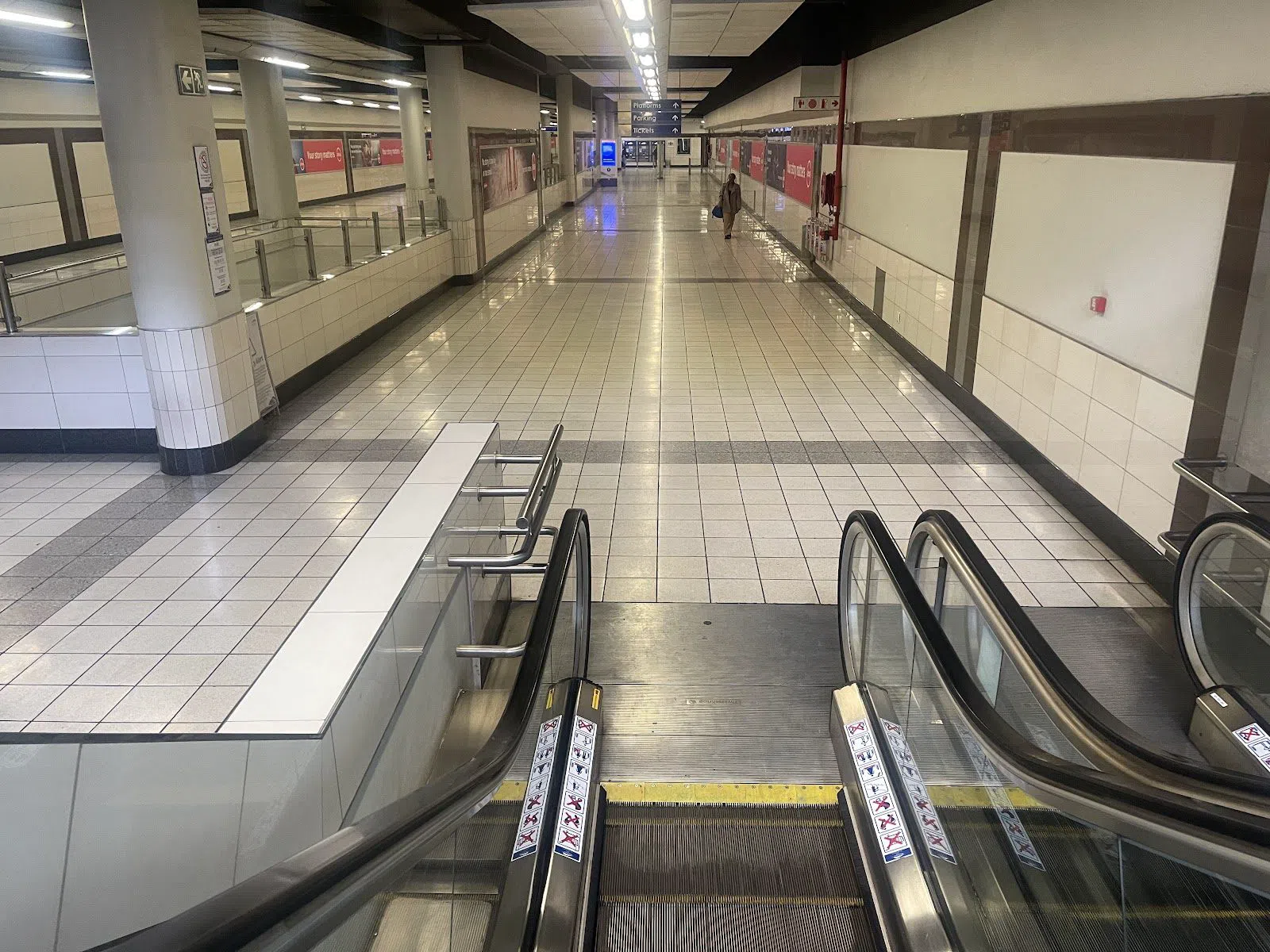
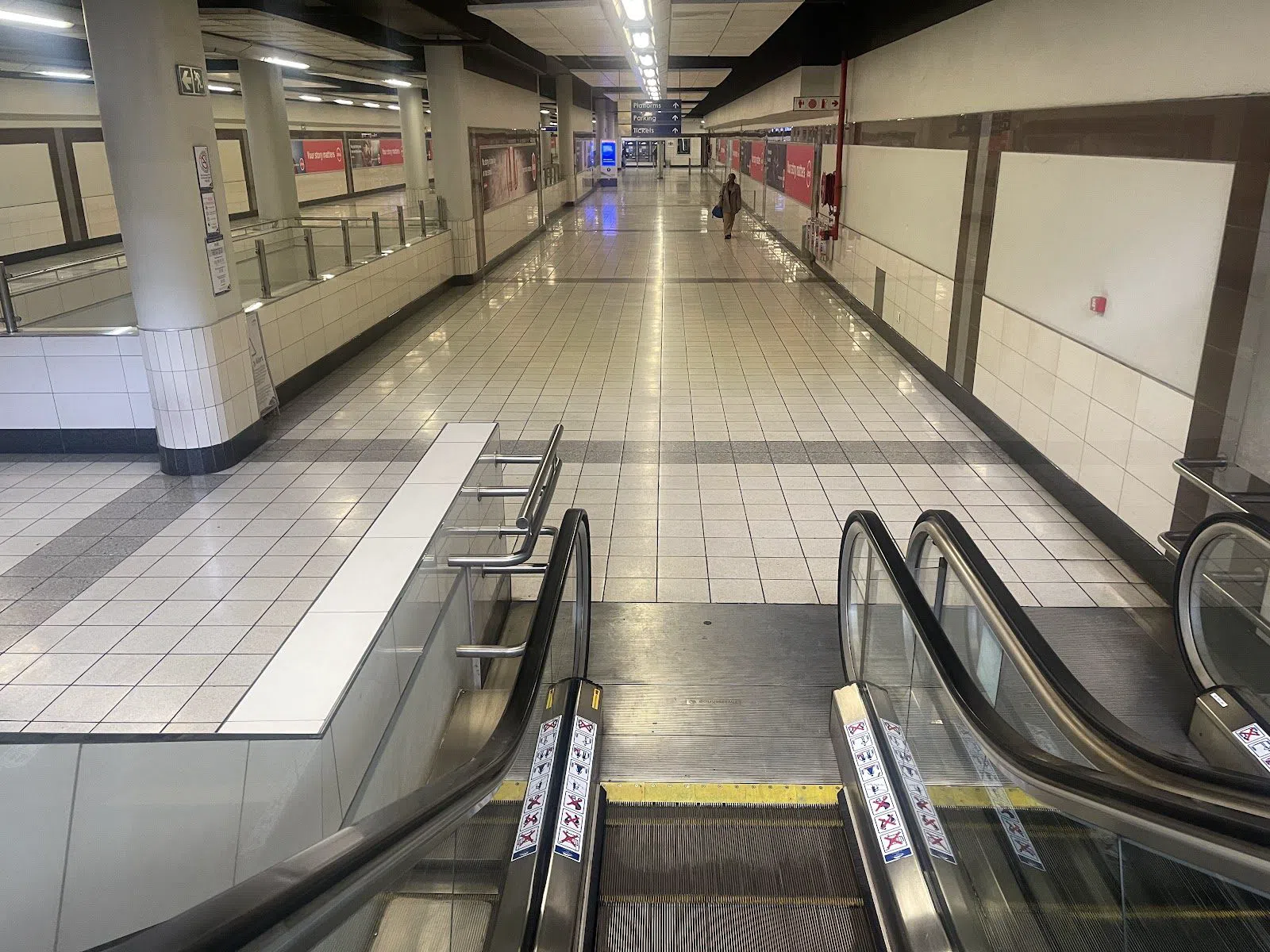
Gautrain (rapid rail, stations at OR Tambo, Sandton, Rosebank, Marlboro and Park Station) is the reason a car-free trip here is possible at all. OR Tambo to Sandton takes roughly fifteen minutes and costs R248; Rosebank is one stop further on. Hops between city hubs generally land in the R75 to R100 band. There is no booking and no door policy, and you walk up whatever the size of your group, but every traveller needs their own Gold Card or a contactless bank card tapped at the gate. The minimum load on a Gold Card is R38. Luggage space on the airport service is generous, which matters if you are arriving with a case each and no intention of wrestling it into a boot.
The feeder buses are the half of the system people forget. They run from the stations into the surrounding blocks for R5 off-peak and R12 at peak, and they turn a station-to-station journey into something closer to door-to-door. From Rosebank station that means you can be at your hotel without ever hailing anything.
The last trains run around 20h30, and that single fact reshapes an itinerary. An evening in Braamfontein or Maboneng does not end on the train, and a flight landing at ten at night has nothing to do with the Gautrain at all. Plan the rail for daylight and the apps for the dark.
Plan your Johannesburg trip
Live prices from our booking partners.
Free cancellation on many rooms. We may earn a commission when you book.
Two ride apps and the pick-up zone rule at OR Tambo
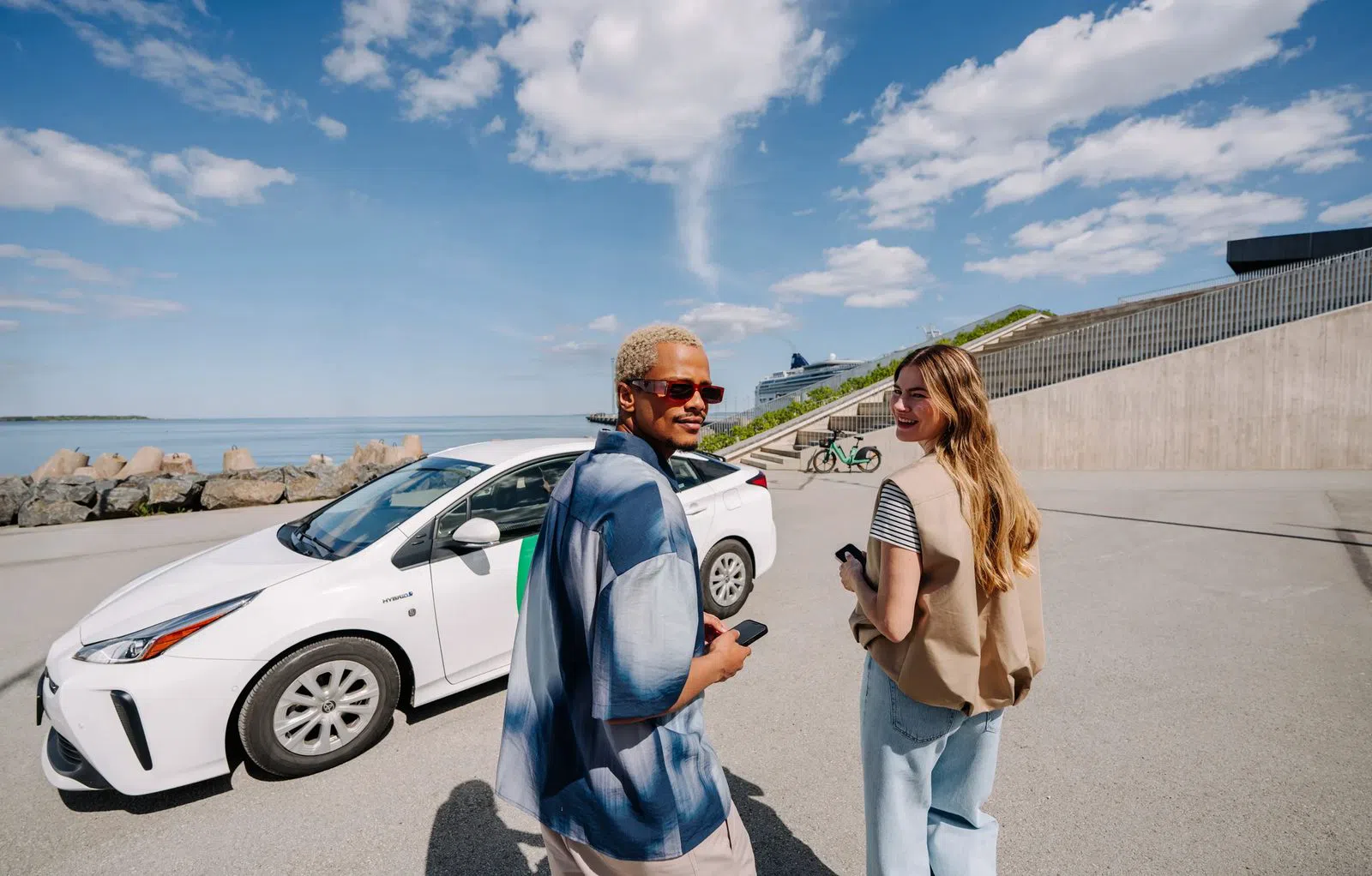
Uber (city-wide, with a dedicated pick-up zone at OR Tambo) holds roughly 60 to 65% of the Joburg ride-hailing market, so it has the shortest waits of anything on your phone. Expect R350 to R550 from OR Tambo to Sandton, and usually well under R150 for a short Sandton to Rosebank run. UberXL and Uber Van take five or six people with luggage; a bigger group just books two cars, with nothing arranged in advance.
Commit the airport detail to memory before you land. At OR Tambo you must walk to the designated e-hailing pick-up zone rather than meet the driver at the kerb outside arrivals. Drivers will not come to the arrivals kerb, and the confusion that follows is the most common way a first evening goes sideways.
Bolt (city-wide, same pick-up rules at the airport) typically sits slightly under Uber on the same route, R300 to R500 airport to Sandton. Bolt XL seats up to six, though boot space is tighter than Uber's van tier, so a group of six with six suitcases is optimistic. Install both and compare them. When one app surges in Sandton at five in the afternoon, the other usually has not, and checking takes fifteen seconds.
The buses a visitor can realistically use
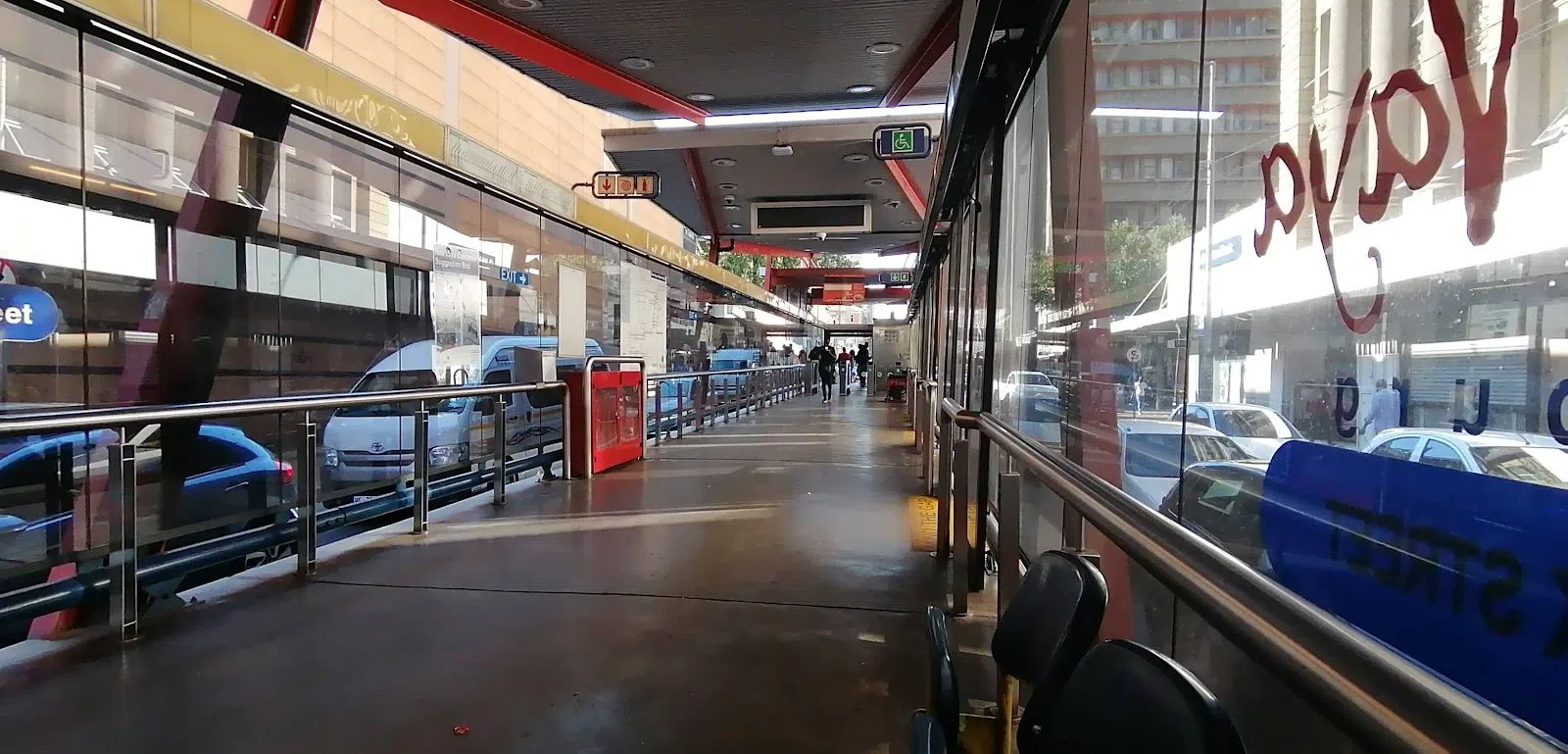
Rea Vaya (bus rapid transit, Braamfontein through the inner city into Soweto) is the one municipal bus a visitor can genuinely plan around. It runs in dedicated lanes from enclosed stations, carries around 45,000 riders a day, and operates from 05h00 to midnight. Single trips are generally under R20. You will need an ABT smartcard, which costs R40 with a minimum R28 load, and you tap per person. Boarding is open, with no group limit, but peak-hour buses fill fast and standing with luggage is unpleasant. Used for the straight run from Braamfontein down into Soweto, it is the cheapest honest transport in the city.
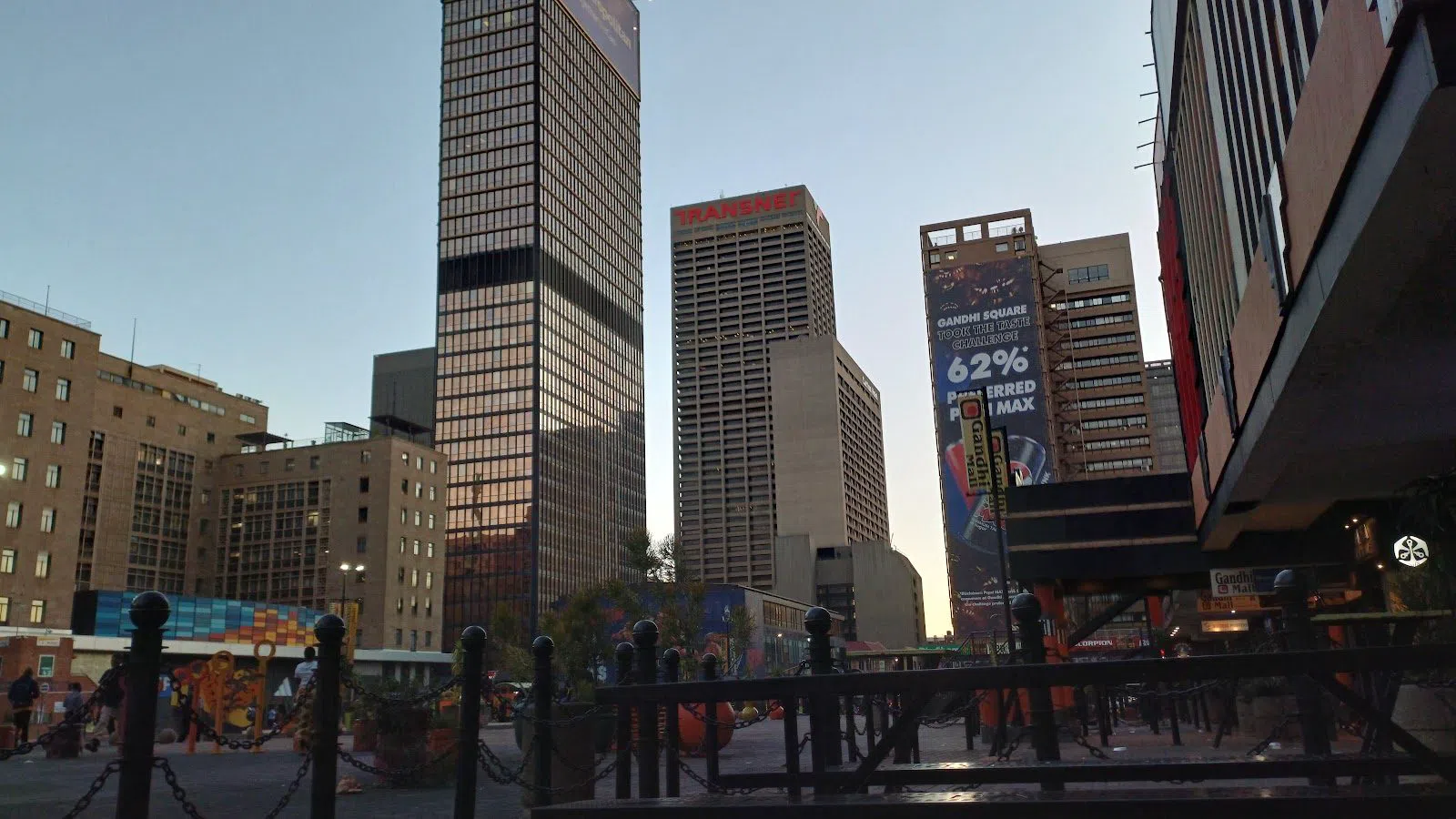
Metrobus (municipal routes, nearly all funnelling through Gandhi Square in the CBD) runs 532 buses over about 80 routes. Short inner-city hops cost around R18.70, and Gandhi Square out to Fourways is R32.90; the smartcard is roughly R64 and, again, one per passenger. It is walk-on, with no group booking. The caveat is timetable rather than price: service thins out badly after 18h00 and at weekends, so treat Metrobus as a daylight, weekday tool for suburb-to-CBD movement and nothing more.
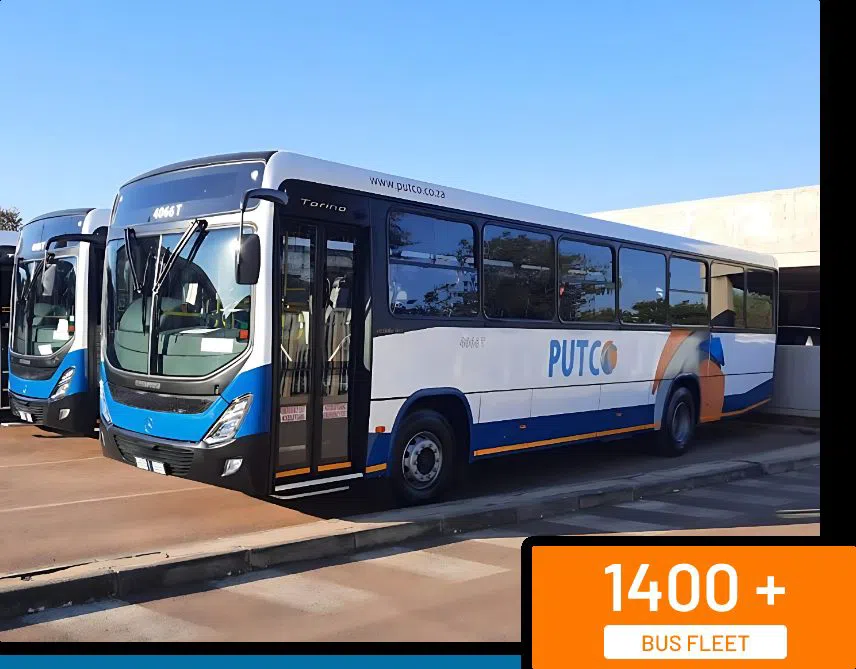
Putco (commuter corridors, including Soweto and Eldorado Park to the northern suburbs) moves 210,000 people a day on 1,400 buses, from 02h30 until 22h00. Fares are low, comparable to the minibus taxis, and multi-journey coupons are sold through Ticketpro. This is workaday commuter transport, boarded individually, with no group facility and no visitor-facing service. It earns a place on your list only where your route happens to sit on a commuter line, which for most trips it will not.
Covering the spread-out sights on a loop bus
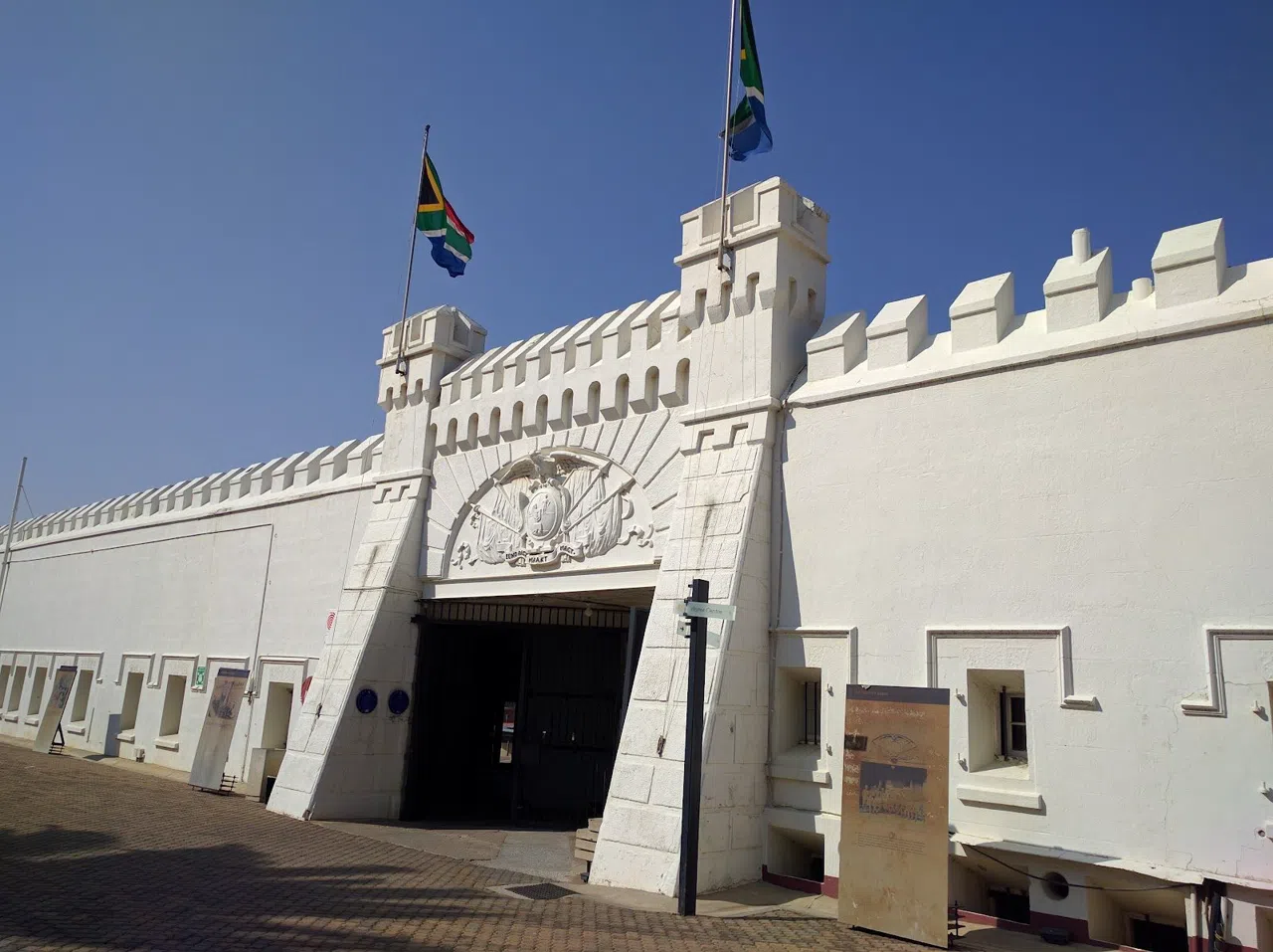
The museums that most people fly in for are not walkable from one another, and this is where a car normally gets justified. City Sightseeing Johannesburg (office in Rosebank) removes that argument. The Red Loop runs every 30 minutes past the Apartheid Museum, Constitution Hill and Gold Reef City. Constitution Hill is the Old Fort prison complex, where the country's Constitutional Court now sits inside the ruins of its own worst history; Gold Reef City is built over one of the original mine shafts. A one-day ticket is R325 adult and R195 junior, or R745 with the guided Soweto add-on.
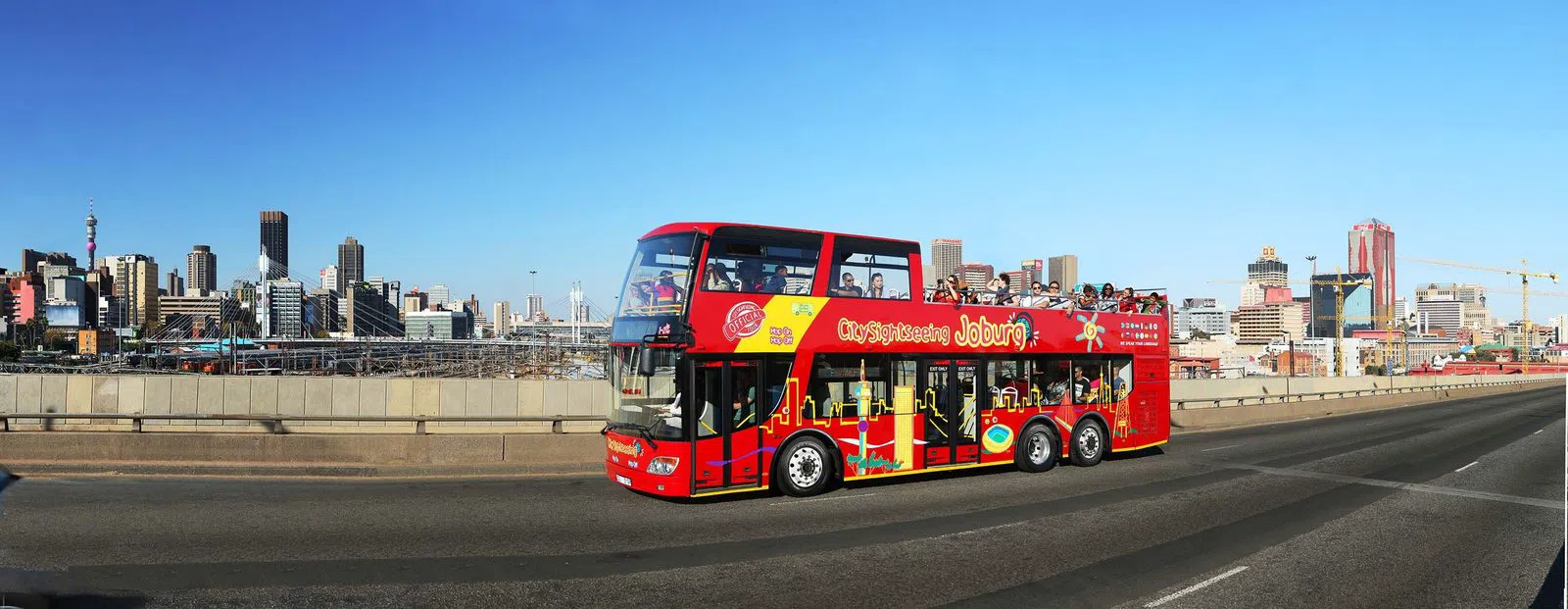
It suits groups particularly well: private charter and group bookings are offered, and there is a complimentary shuttle from selected hotels. Couples do fine on it too, but it is a logistics solution rather than an experience. You are buying the ability to see four scattered sights in a day without a car or a private guide.
Soweto at bicycle pace
Lebo's Soweto Backpackers (Orlando West, Soweto) has been running since 2003 and remains the most sensible way to move through Soweto without a car. Bikes, tuk-tuks and walking options go out in batches, so groups are well served; book ahead for larger parties. Around R780 per person covers the two- or four-hour tours with lunch included, and full-day options are available.
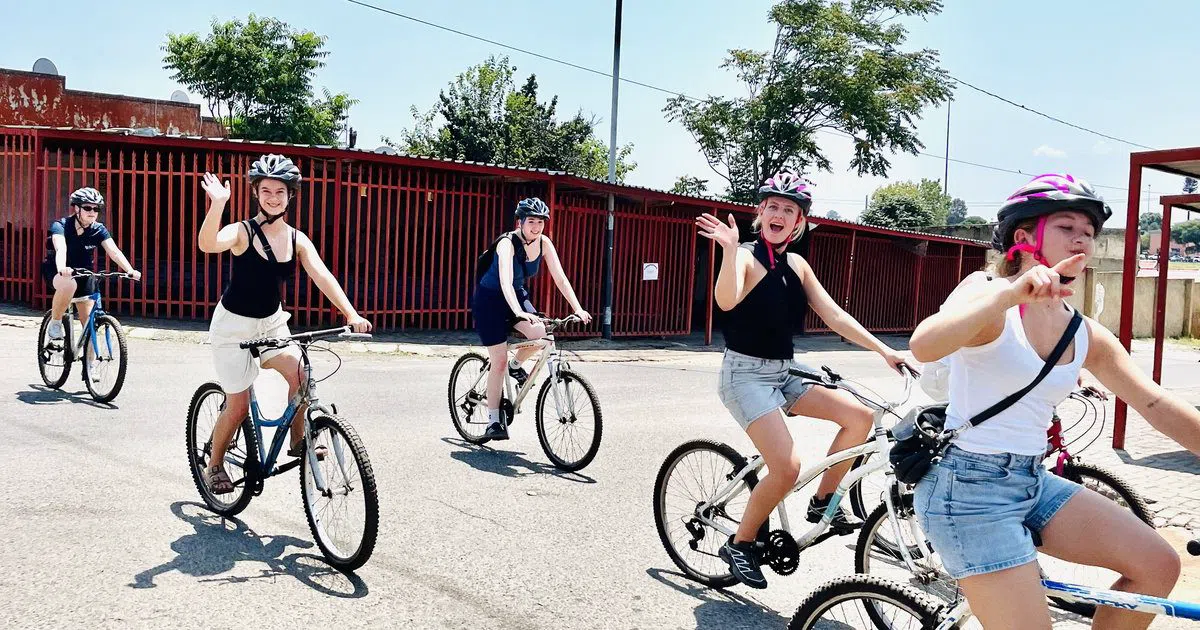
The route work is what justifies it. Vilakazi Street, where two Nobel laureates lived on the same short stretch, reads completely differently at cycling pace than through a coach window, and the Hector Pieterson Memorial, which marks the schoolchildren shot in the 1976 uprising, sits a few minutes away on the same ride. Shebeen stops are built into the itinerary. If you are nervous about cycling in traffic, take the tuk-tuk version; the stops are the same.
Walking the inner city with someone who knows it
CURIOCITY Johannesburg (Maboneng, east of the CBD) is the most reliable non-car route into the inner city on foot or two wheels, and the only operator here with a proper roster of fixed departures rather than on-request scheduling. The Maboneng walk is R560, the inner-city walk R730, the East City cycle tour R560, and Soweto half- and full-day trips run R1,100 to R1,715. Bike rental is R50 an hour, which is genuinely rare in Joburg. If you want to ride unaccompanied for a couple of hours, this is where the bikes come from. Scheduled departures mean a group can simply join the same one.
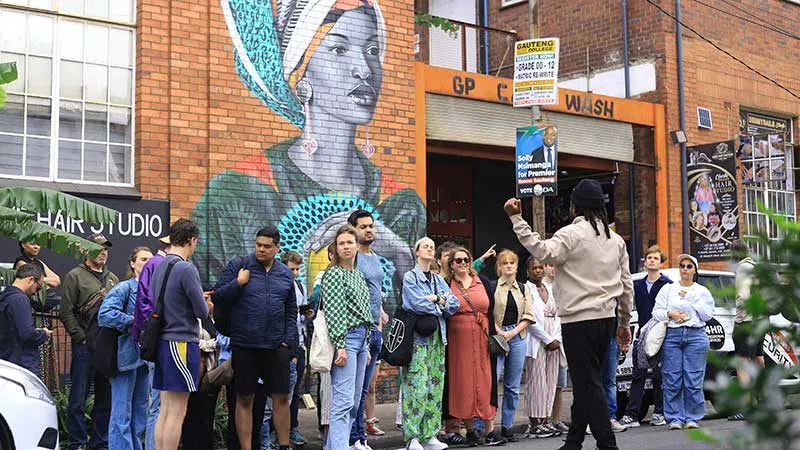
LocalPlaces (Marshalltown and the surrounding CBD) is Gerald Garner's inner-city storytelling operation, formerly JoburgPlaces, now guided in Johannesburg by Charlie Moyo. The ground covered is Marshalltown, Little Addis, Maboneng, Braamfontein and Newtown, the old market quarter. Pricing is mid-range, quoted per tour on request via WhatsApp or email. Most work is private booking, which suits a group of six or eight neatly; the 'Understanding Johannesburg' walks can be booked per person, subject to availability, if there are only two of you.
Johannesburg Heritage Foundation (rolling monthly programme across the city) is a non-profit, and it shows in the pricing: R190 to R295 for walking tours and R340 to R445 for the bus tours. Seats are capped at 30 to 44 per tour and each one is booked individually online through Quicket, so mid-sized groups fit but should book together and early. The bus tours are the useful entry: they reach inner-city institutions like the Johannesburg Art Gallery and the City Library, which are awkward and unrewarding to attempt on foot alone.

Late landings and the road out of the city
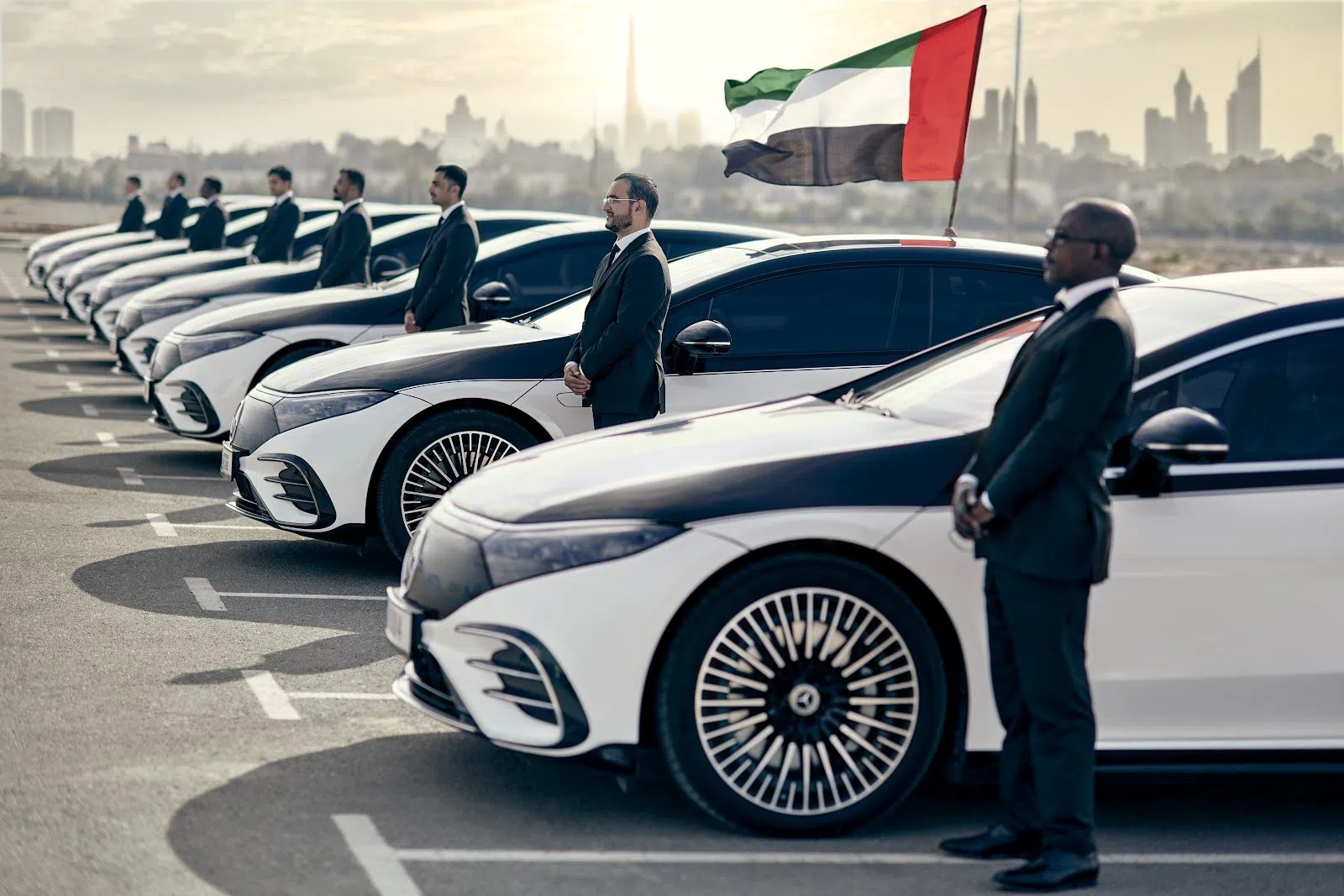
If you land after the last Gautrain and do not want your first twenty minutes in the country spent finding a pick-up zone, Blacklane (pre-booked chauffeur transfers, OR Tambo and city-wide) is worth the premium exactly once. Fares sit well above Uber, quoted upfront on a fixed distance basis, but you get flight tracking, an hour of complimentary wait time and no negotiating at the kerb after a long-haul flight. The Business Van and SUV classes take up to five with heavy luggage; larger parties book two vehicles.
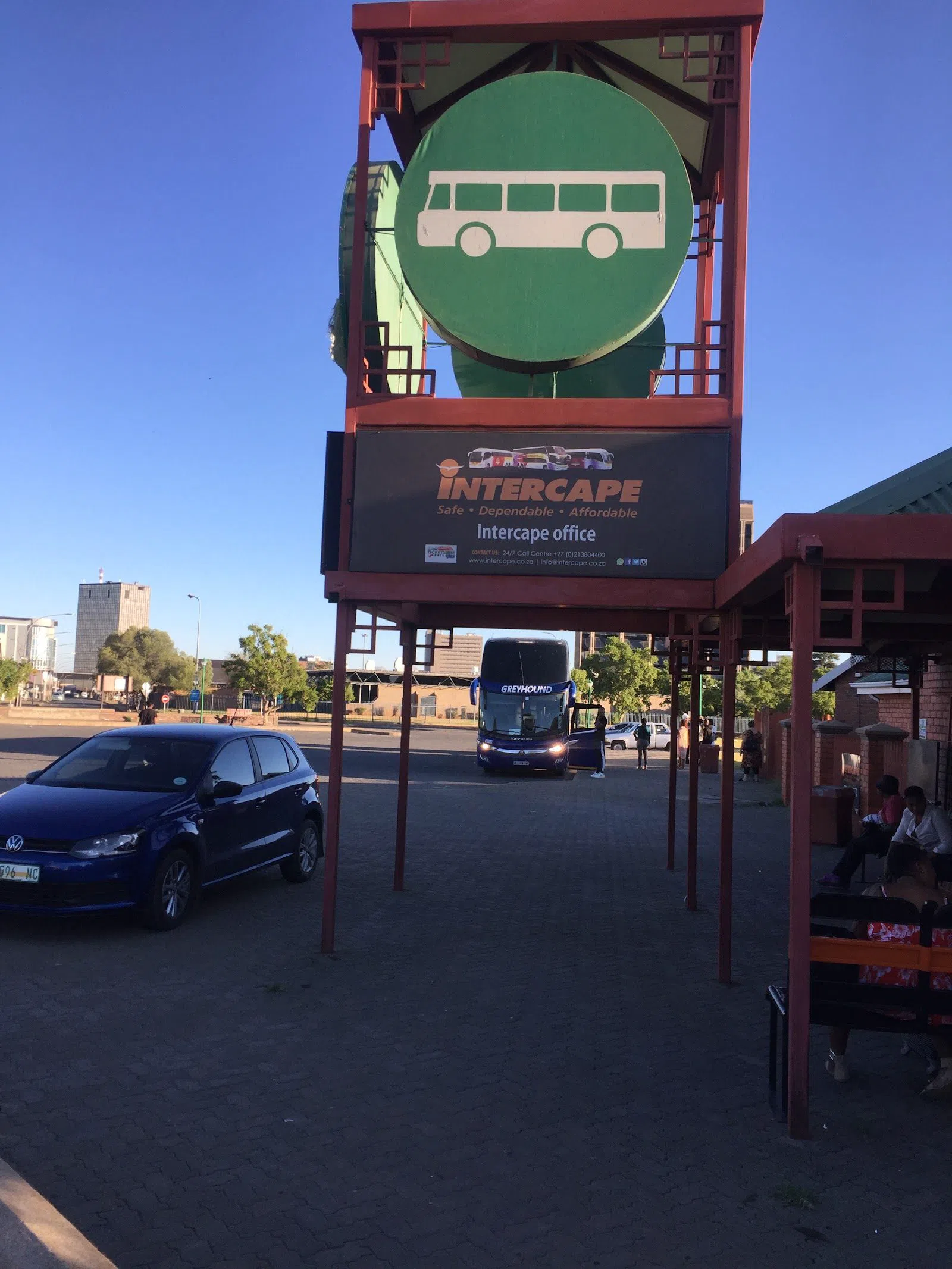
For the road out, Intercape (departing Park Station in the CBD) is the credible long-haul coach without a car. Fares start around R650 for the long runs to the coast, with regional routes cheaper. Each ticket carries one 25kg hold bag plus hand luggage, there is Wi-Fi on selected services and USB charging at most seats, and groups just book adjacent seats online. Park Station is also a Gautrain interchange, so the airport-to-coach connection happens without a single taxi.
Basing yourself so none of this is hard
Car-free Johannesburg is really a question of address. Stay within walking distance of Sandton or Rosebank station and the rail spine does most of your moving, with feeder buses and short app hops filling the gaps; stay in Maboneng or Braamfontein and the walking tours and Rea Vaya are on your doorstep, at the cost of longer rides to the northern suburbs. Compare what is near which station on the Johannesburg hotel search, and read the areas up in the Johannesburg guide before you commit. The difference between a five-minute walk to a station and a fifteen-minute ride to one changes the shape of every day.
Practical notes
Almost everything here is cashless. Gautrain takes a contactless bank card or a Gold Card loaded with at least R38. Rea Vaya needs its own ABT smartcard at R40 with an R28 minimum load, and Metrobus its own at around R64. The cards are not interchangeable, so buy only for the systems you will actually use. Uber, Bolt, Blacklane and Intercape are all card-in-app or card-online. Carry a small amount of rand for tips, market stalls and shebeen stops.
On timing: the Gautrain stops around 20h30, Metrobus thins out after 18h00 and at weekends, Rea Vaya runs to midnight, Putco from 02h30 to 22h00. Anything after dark is an e-hailing journey. Book tours for the morning; the guided walks and the Soweto rides all run in daylight, which is also when you want to be on foot in the inner city.
A rough budget for two. Airport in and out by Gautrain: about R1,000. A day on the Red Loop with the Soweto add-on: R1,490. A guided inner-city walk each: R1,120 to R1,460. Local hops by app across three days: R900 to R1,500. That is a full, well-covered week for meaningfully less than a hire car, fuel, parking and the standing anxiety about where you left it.
Before you go
Can I get from OR Tambo to Sandton without a car?
Yes, and it is the easiest journey in the city. The Gautrain does it in about 15 minutes for R248, with room for luggage on the airport service and Rosebank one stop further on. Uber runs R350 to R550 for the same trip and Bolt R300 to R500, but at OR Tambo you walk to the designated e-hailing pick-up zone rather than meeting a driver at the arrivals kerb.
What happens if my flight lands after the last Gautrain?
The last trains run around 20h30, so a late landing needs a back-up. Uber and Bolt both serve the airport at night from the pick-up zone. If you would rather not sort that out on arrival, Blacklane pre-books a chauffeur transfer with flight tracking, an hour of free wait time and a fare fixed upfront. It costs well above app pricing, which is easier to justify once than twice.
Do I need cash, or will a bank card cover everything?
A card covers nearly all of it. Gautrain takes contactless bank cards, or a Gold Card loaded with a R38 minimum. Uber, Bolt, Blacklane and Intercape are paid in-app or online. The exceptions are the municipal buses, which need their own smartcards (R40 for the Rea Vaya ABT card, around R64 for Metrobus), plus a little rand for tips, stalls and shebeen stops.
Uber or Bolt in Johannesburg?
Install both. Uber holds roughly 60 to 65% of the local market, so wait times are shortest and the XL and Van tiers handle five or six with luggage. Bolt is usually slightly cheaper on the same route, and Bolt XL seats up to six with less boot space. Having both open helps when Sandton surges at rush hour, because one of the two usually is not surging.
Can I visit Soweto without a car or a private driver?
Easily, and in three ways. Rea Vaya runs a bus-rapid-transit line straight from Braamfontein into Soweto for under R20 a trip. Lebo's Soweto Backpackers does bike, tuk-tuk and walking tours from around R780 per person including lunch, taking in Vilakazi Street and the Hector Pieterson Memorial. City Sightseeing Johannesburg sells a R745 day ticket with a guided Soweto add-on.