The Johannesburg issue
Three Days in Johannesburg, No Car Needed
Constitution Hill, a bike ride through Soweto and the Sunday markets, reached on the Gautrain, in e-hails and on two tours booked in advance.

By Bram VerhoevenThe city read by its neighbourhoods
Johannesburg was laid out around mine dumps and motorways, and most people here will tell you inside five minutes that you need a car. For three days, you don't. The addresses that matter most on a first visit (a prison on the Braamfontein ridge, one street in Orlando West, and a museum south of the M1 built to feel like a detention corridor) sit on a short chain of train stops, e-hails and two pre-booked tours, and the order you do them in matters far more than the distance between them.
Where to sleep so the walking works
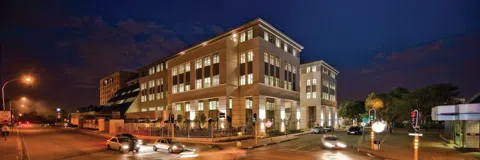
Two areas make a car-free trip straightforward, for different reasons. Braamfontein is the one to choose if you want to walk: a heritage prison site, a university art museum, a Saturday market and a live-music bar all sit within about fifteen minutes of each other on foot, and the streets stay busy with students well into the evening. Rosebank is the more comfortable option, with its own Gautrain station, a Sunday market three minutes from the platform, and galleries at the top of the road. Sandton has the deepest hotel stock and the cleanest transport links, but every stop in this itinerary then becomes a twenty-to-forty-minute ride, and those fares compound across three days. Compare the three in the Johannesburg hotel search before booking; the gap between a Braamfontein room rate and a Sandton one is roughly two e-hail trips a day.
One scheduling rule outranks everything else. Two of the museums below are closed on Mondays, and a Monday arrival that plans to "do the museums" is the most reliably wrecked itinerary in this city. If you can shape your dates at all, land so that one of your three days falls on a Sunday, because the markets are Sunday-weighted, and give Monday to travel, to Sandton, or to nothing at all.
Plan your Johannesburg trip
Live prices from our booking partners.
Free cancellation on many rooms. We may earn a commission when you book.
Day one on the hill in Braamfontein
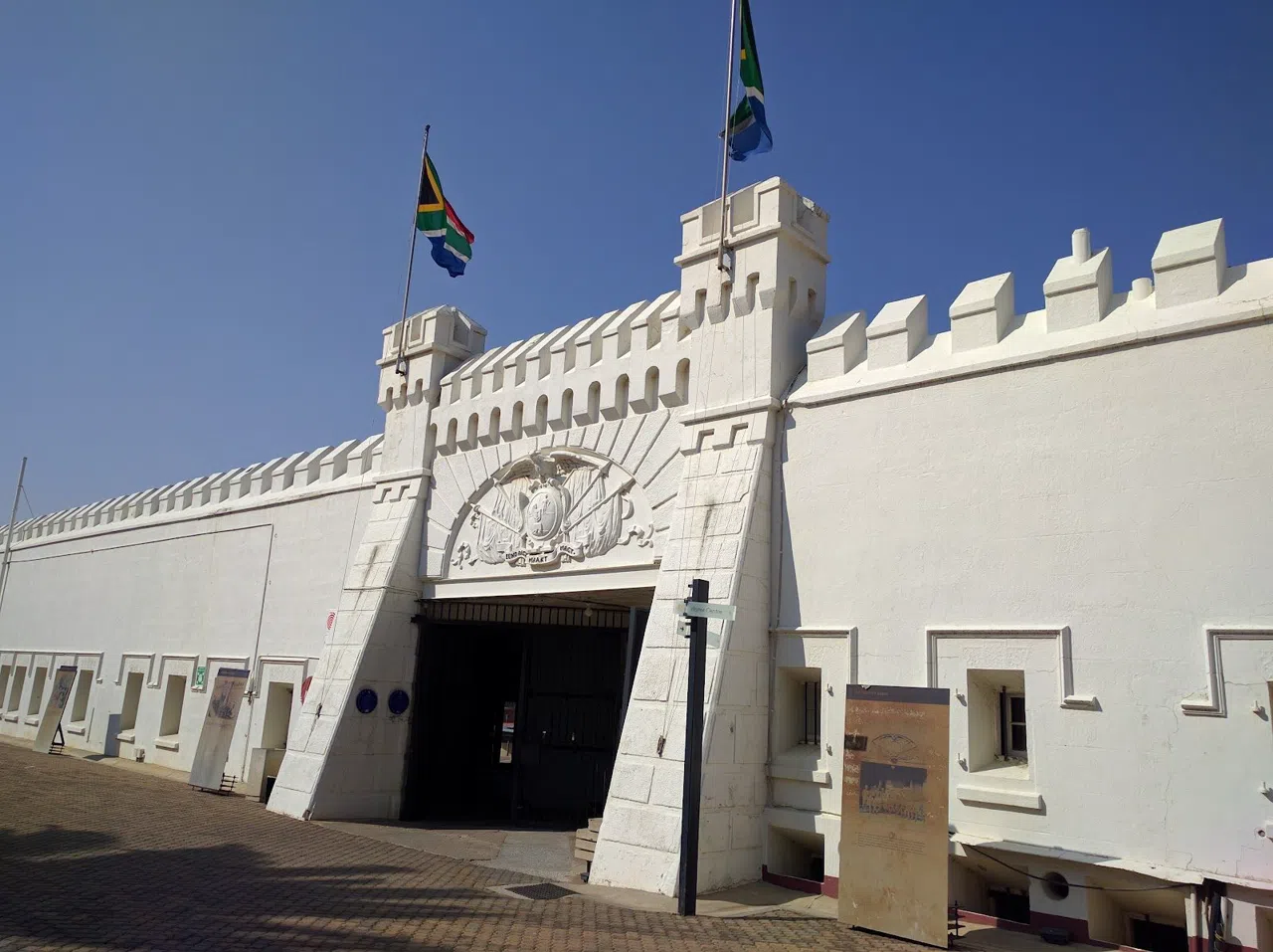
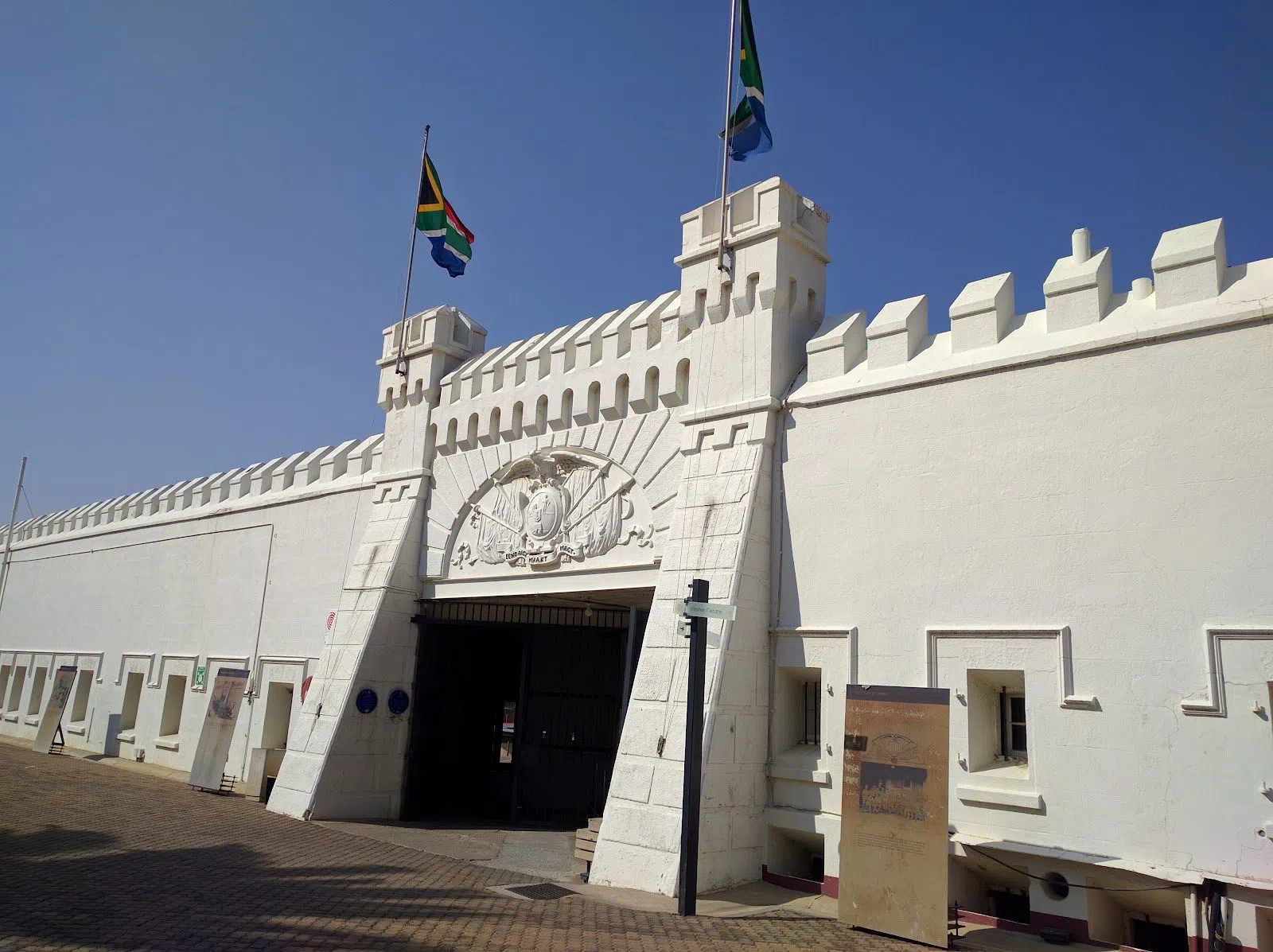
Start at Constitution Hill (Braamfontein) at nine, when the first tour of the day goes out. The site holds the Old Fort, the Number Four prison block and the Women's Jail, and on the same ground, the Constitutional Court, a building put deliberately on top of the place that jailed people for breaking pass laws. Guided highlights tours run hourly from 9am to 4pm daily at R150; the full two-hour tour is R200, and booking online saves five percent. The site is cashless, so bring a card and don't rely on notes. Parties of twenty or more must reserve in advance and can be turned away on a busy day if they haven't. Take the two-hour version if you have it in you. The highlights tour moves fast, and the prison-to-court sequence is what makes sense of everything you will see in Soweto tomorrow.
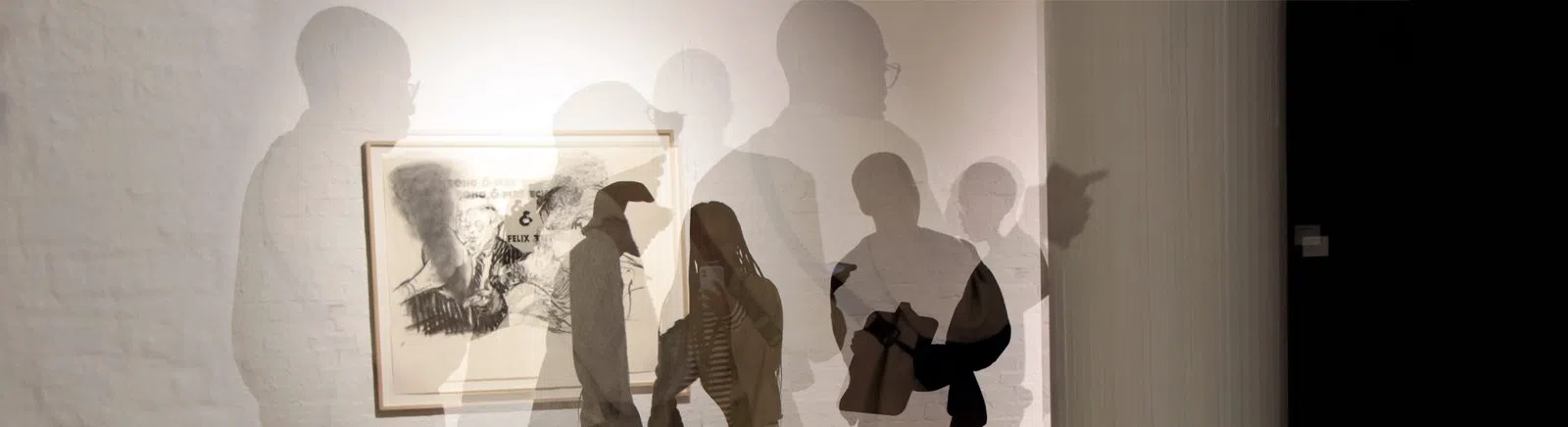
From the gate it is about five minutes on foot to the Wits Art Museum (Braamfontein), which is free and holds roughly 18,000 works of African art in a compact building. It opens Tuesday to Saturday, 10am to 4pm, and shuts on public holidays, so treat it as the thing that makes a Braamfontein day whole rather than a fixed anchor. An hour is honest. Groups can arrange a guided walk-through by phoning ahead; everyone else simply walks in.
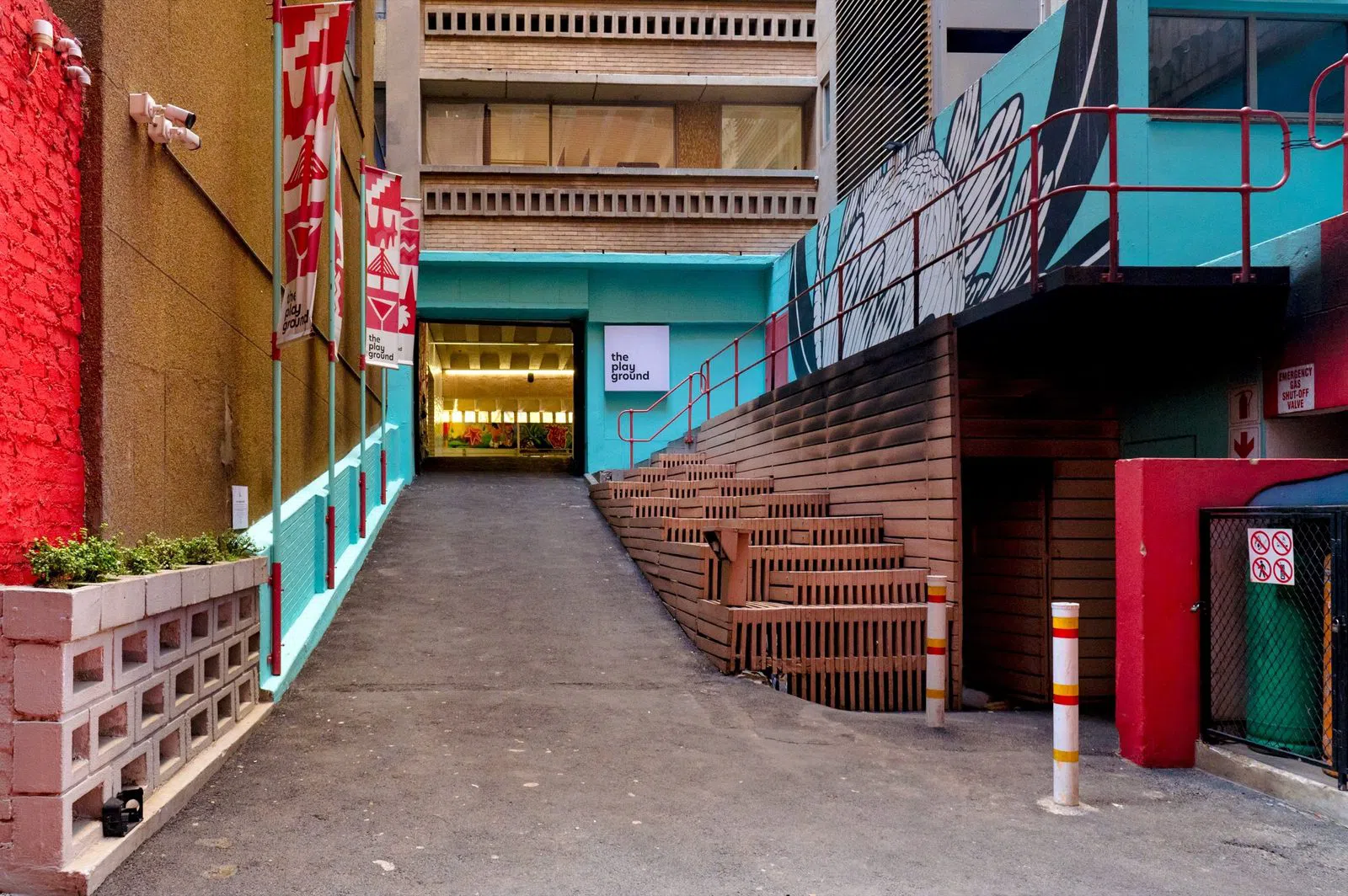
If your first day lands on a Saturday, give the afternoon to The Playground (Braamfontein, Juta Street), the food-and-music market that ran for years as Neighbourgoods and relaunched at the same address under the new name. Use the current name when you ask a driver, or you will get a blank look. Entry is free before noon and R20 after; food runs R60 to R150. It is card only, through Yoco, with no cash taken at any stall. It fills from midday and it is loud by two.
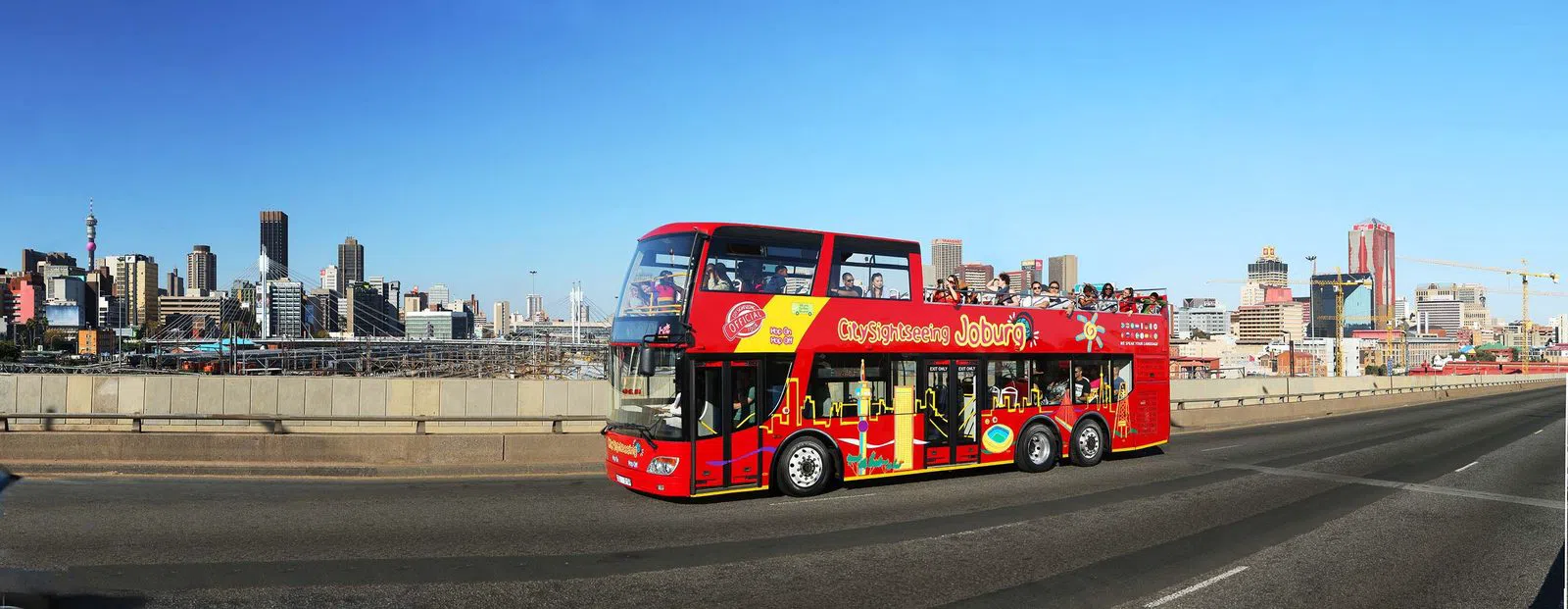
If it is not a Saturday, the afternoon belongs to City Sightseeing Joburg (central city and northern suburbs), the open-top bus loop. A day ticket is roughly R300 per adult, buses come every forty minutes, and the route stops at Park Station (the Gautrain interchange) as well as Constitution Hill and the Apartheid Museum, with hotel shuttles running from Sandton and Rosebank and a Soweto add-on sold separately. It is slow and the commentary is broad. It solves one specific problem: the stretch of inner city where walking between sights is not sensible, and where chaining four e-hails across an afternoon costs more and shows you less.
Braamfontein after dark
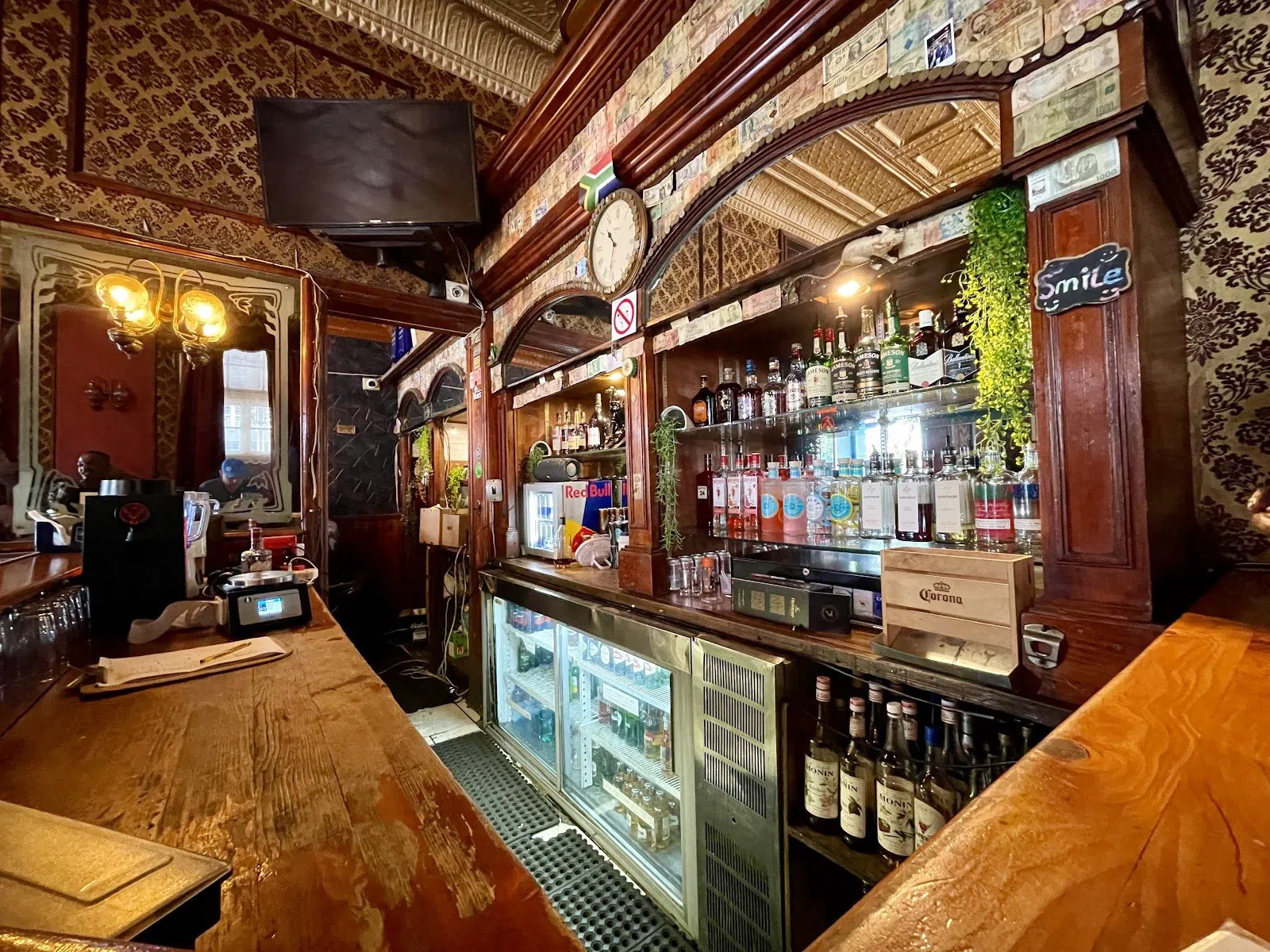
Kitchener's Carvery Bar (Braamfontein) is one of the oldest bars in the city, reopened and running Wednesday to Saturday with live bands from 9pm. Beers are around R40, cover is free to low, and there are no reservations for the bar, so you walk in. It is busiest after 9pm on Friday and Saturday, which is when the room is worth being in and also when a party of eight will end up scattered across three corners of it. Couples and pairs do better here than groups. It earns a place in a car-free itinerary because of the walk: if you are sleeping in Braamfontein, you are ten minutes from your bed. Even so, e-hail those four blocks after dark rather than walking them. The fare is trivial and the local habit is close to universal.
Day two in Soweto on two wheels
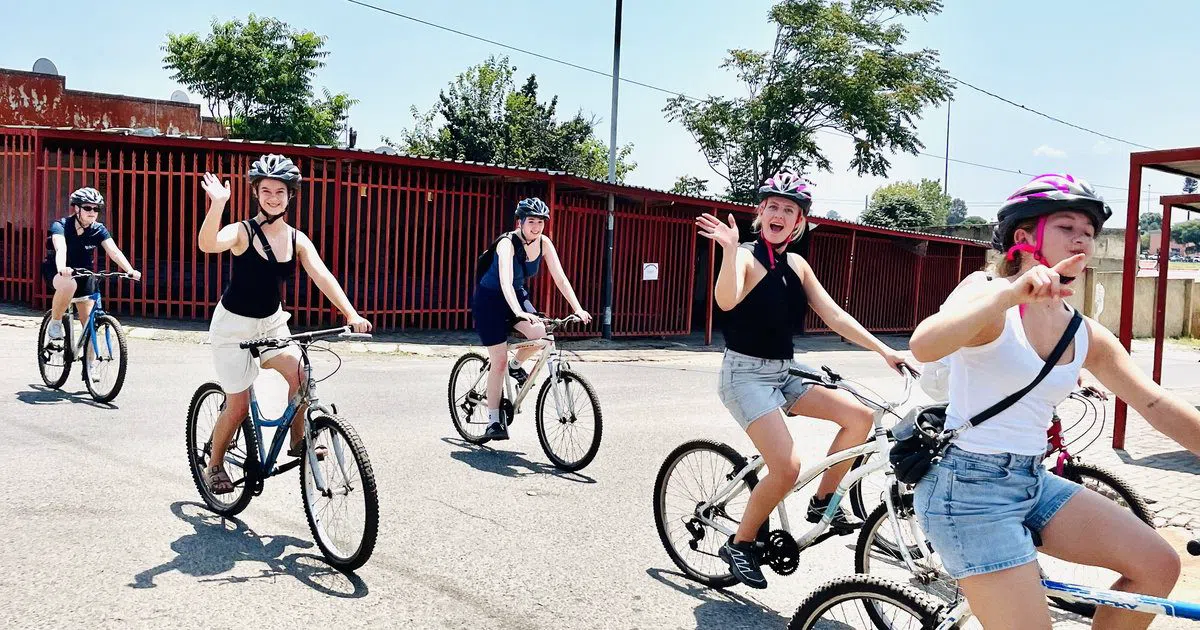
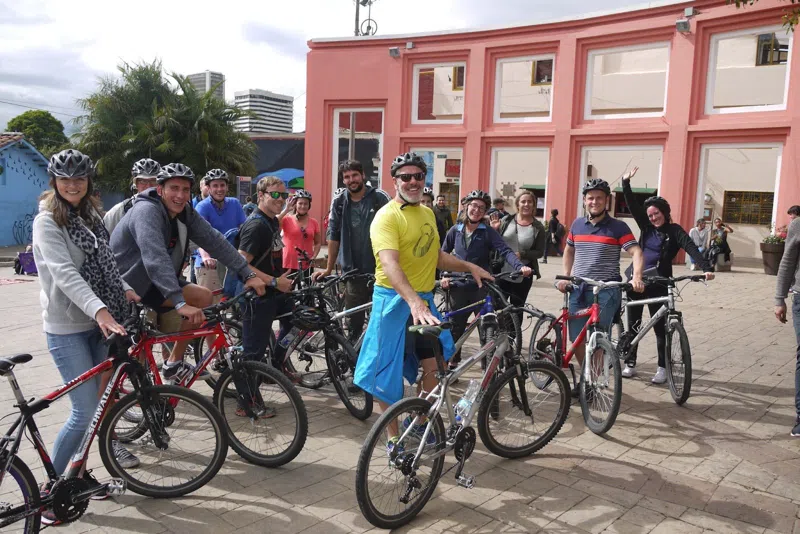
Soweto is where a car-free plan either works or falls apart. It sits southwest of the centre, its sights are kilometres apart, and an e-hail that drops you on Vilakazi Street leaves you standing on Vilakazi Street. The clean answer is Lebo's Soweto Backpackers (Orlando West), which runs guided bicycle and tuk-tuk tours out of its own hostel: 2.5-hour, four-hour and full-day rides, R715 to R1,335 per day guest with lunch and snacks included. Everything except the full-day tour books online; for that one, arrange it direct. The 2.5-hour ride covers Vilakazi Street and the Hector Pieterson memorial and is enough for a first visit; the longer rides reach back streets no shuttle bus goes near, which is the whole argument for doing Soweto this way rather than from a coach window. Tuk-tuks are there for anyone who would rather not pedal, and they take groups comfortably.
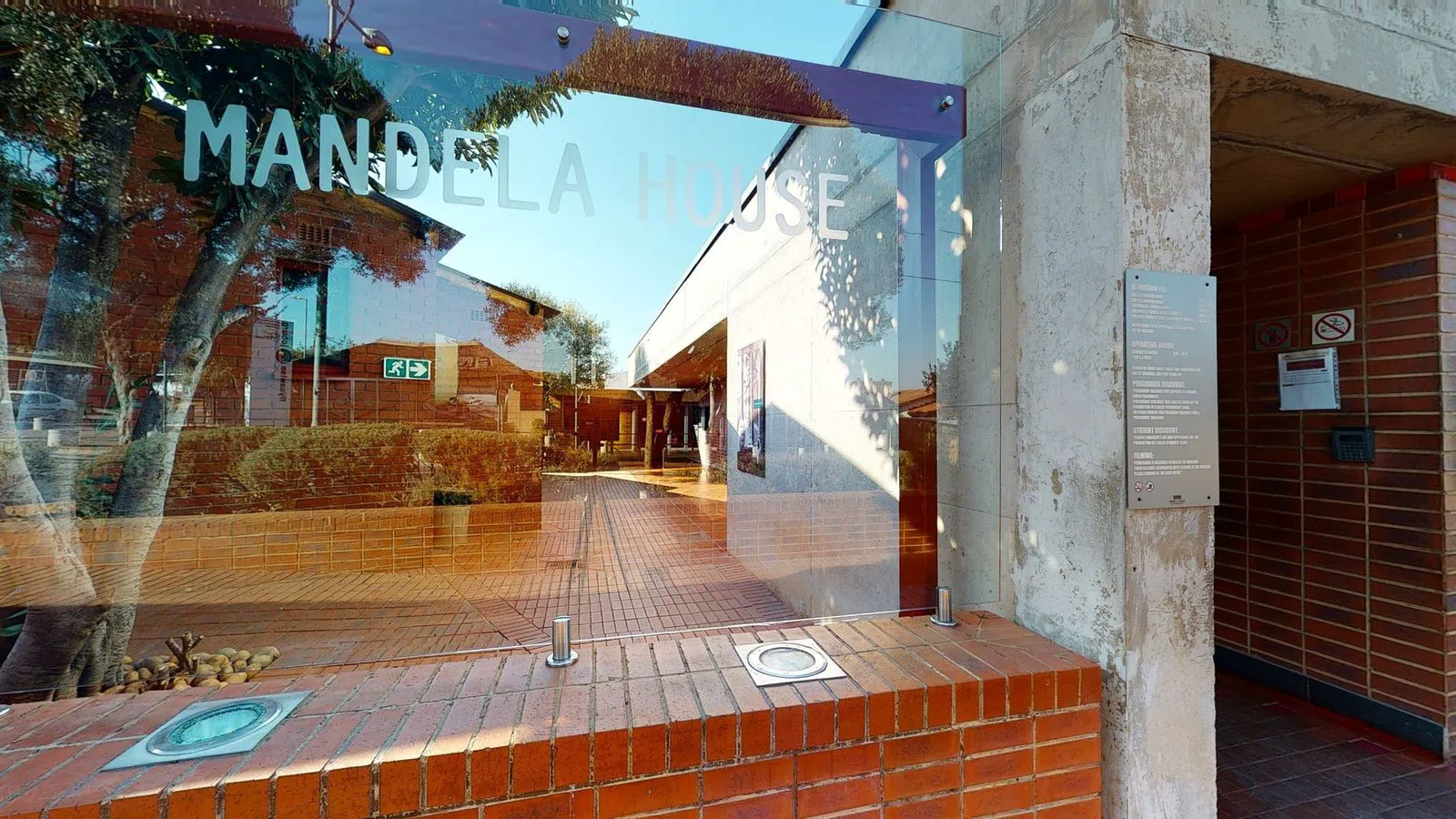
On or beside that route are the two buildings to get inside. Mandela House (Orlando West) is the small brick house on Vilakazi Street where the Mandela family lived; entry is around R100 for an international adult and guides run continuous short tours. It opens daily 9am to 5pm and closes only on Good Friday and Christmas Day. The rooms are genuinely small (a party of fifteen fills them), so larger groups should phone ahead and expect to be split into waves. Budget twenty minutes rather than an hour. The value is the guide and the scale of the place, not the volume of what is on display.
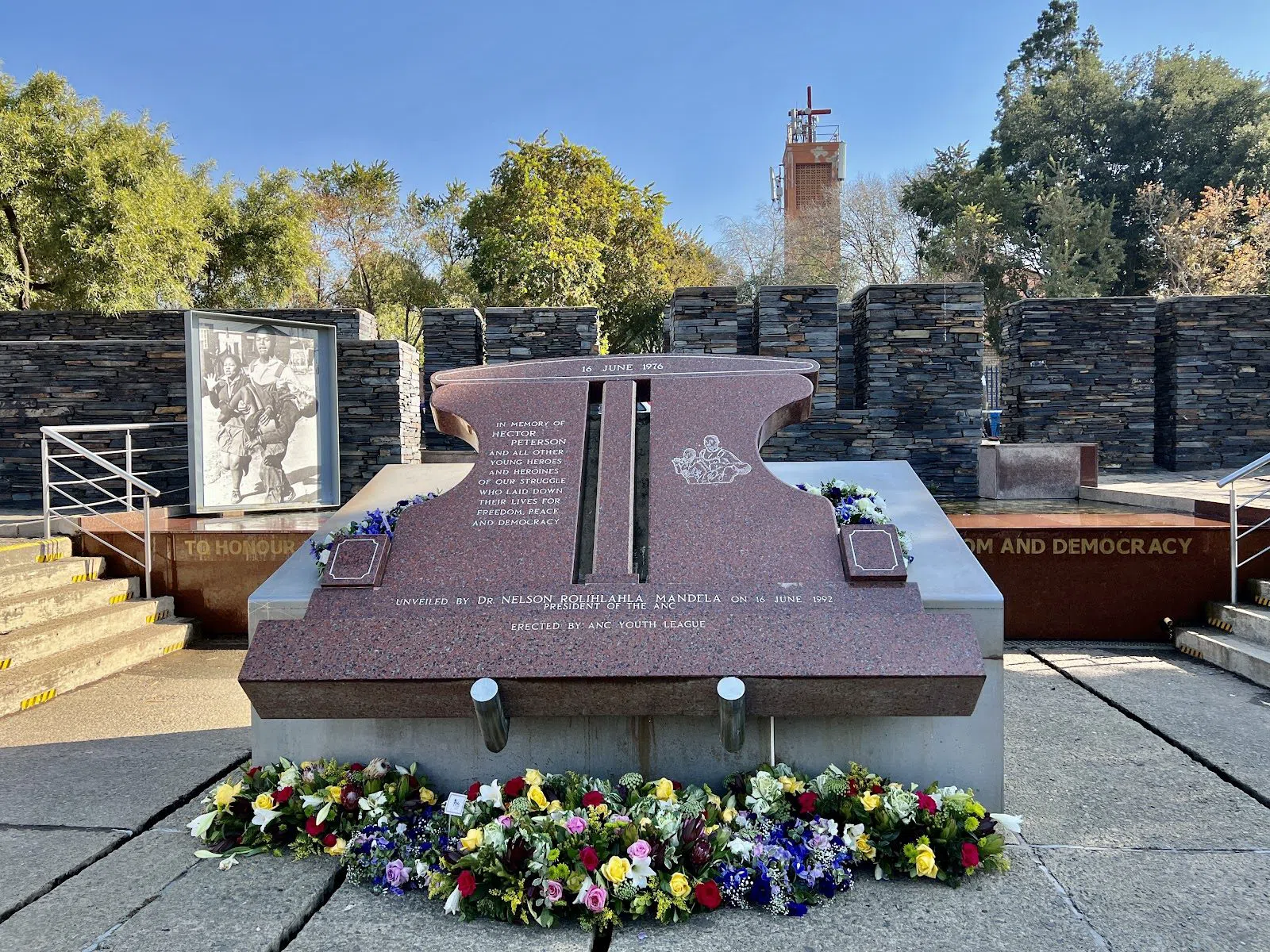
Two minutes' walk away, the Hector Pieterson Museum and Memorial (Orlando West) is 300 metres from the spot where Pieterson was shot during the student uprising of June 1976. It is R100 for an international adult and R50 for students, with guides available at the desk; school and tour groups are routine here, so a large party is no imposition. It closes on Mondays, exactly as the Apartheid Museum does, which is why those two belong on the same non-Monday half of your trip.
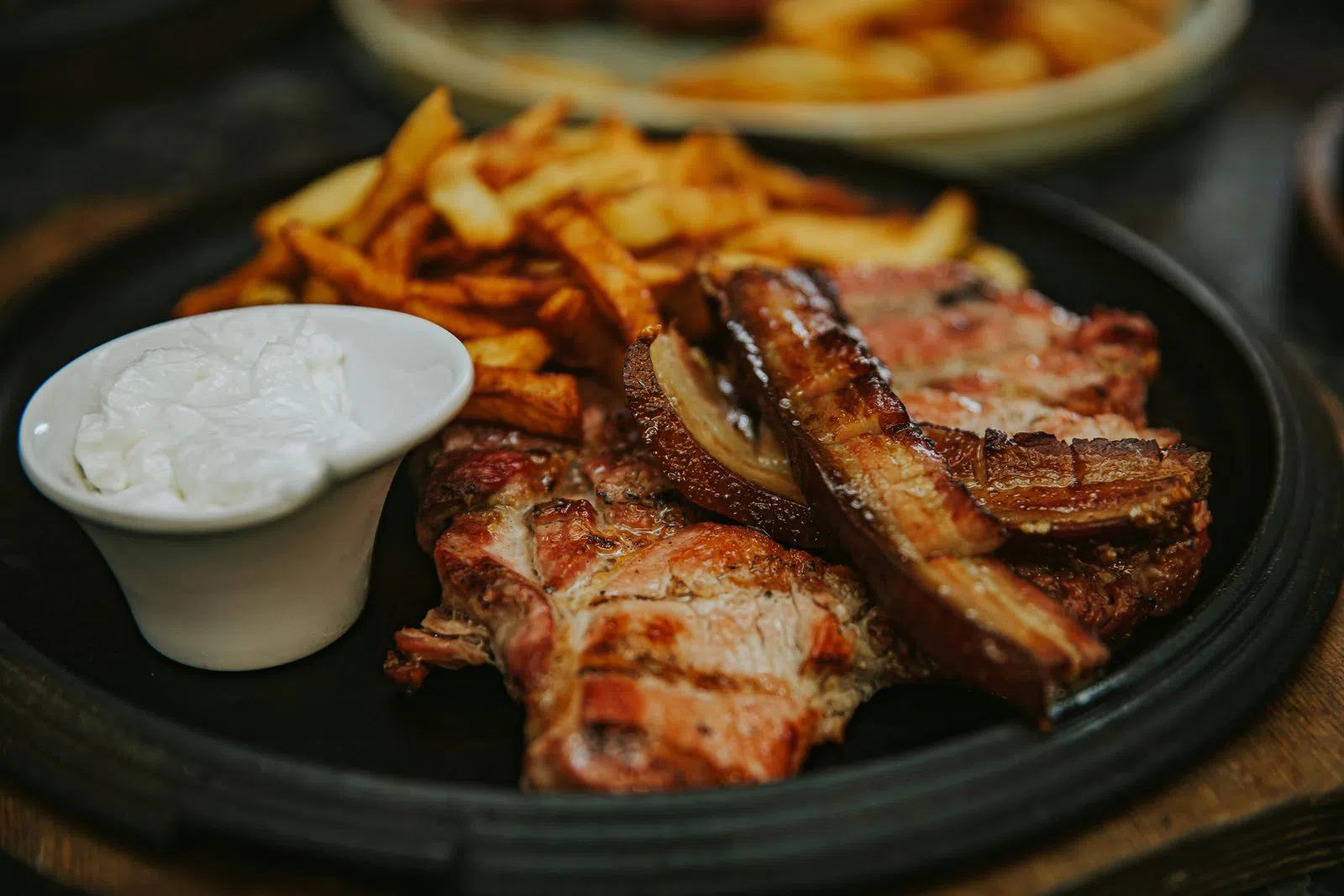
Lunch is settled by geography. Sakhumzi Restaurant (Vilakazi Street, Orlando West) is on the same street as Mandela House, so the Soweto day needs no extra transfer at all. The two-hour buffet is R270 a head and runs from 11:00 to 21:00; take it over the à la carte. With more than 350 covers indoors and out, functions and tour groups arrive daily, so a party of twenty is unremarkable. Book on 011 536 1379 and they will set a table. Couples are fine too, though at midday you are eating alongside several tour groups.
The towers, if the day allows
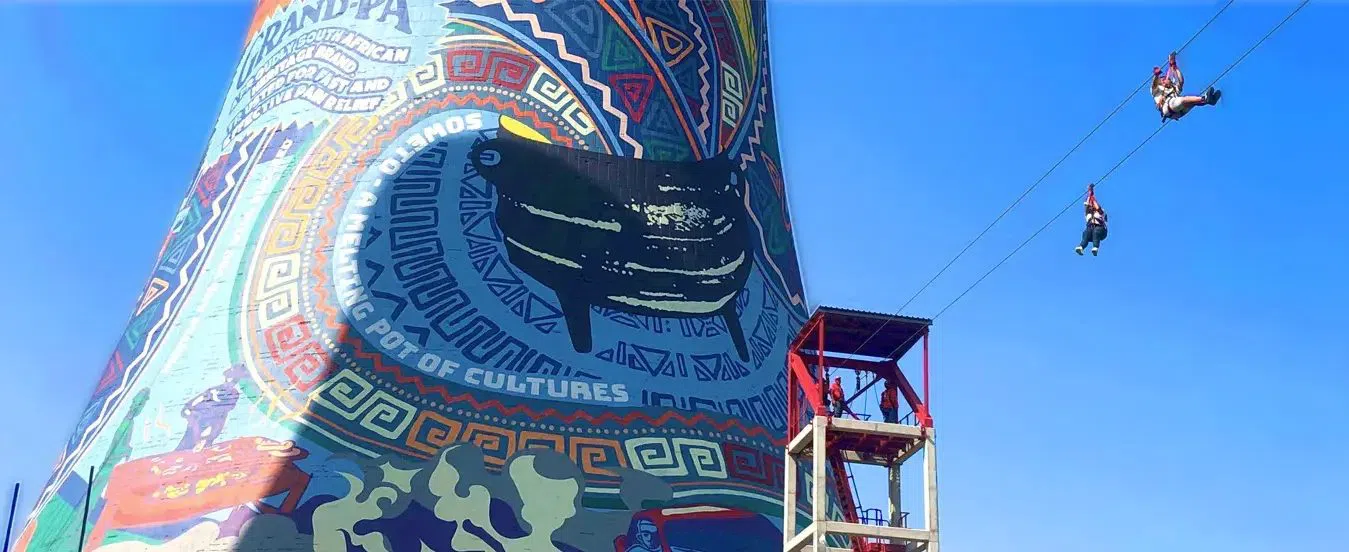
Soweto Towers (Orlando), the painted cooling towers of the old Orlando power station, take bungee jumpers off the bridge strung between them for roughly R550 to R630, or R580 a head for parties of six or more. There is no booking, so it is first come, first served, and the opening hours are the catch: Thursday from noon until sunset, and Friday to Sunday from 10am. Check the day before you build an afternoon around it, because early in the week there is nothing running. If nobody in your party is jumping, you can still ride up for the view, which is the widest flat look over Soweto you will get. The absence of booking also means a group of ten arriving on a Sunday afternoon should expect to queue.
Day three for the museum and the markets
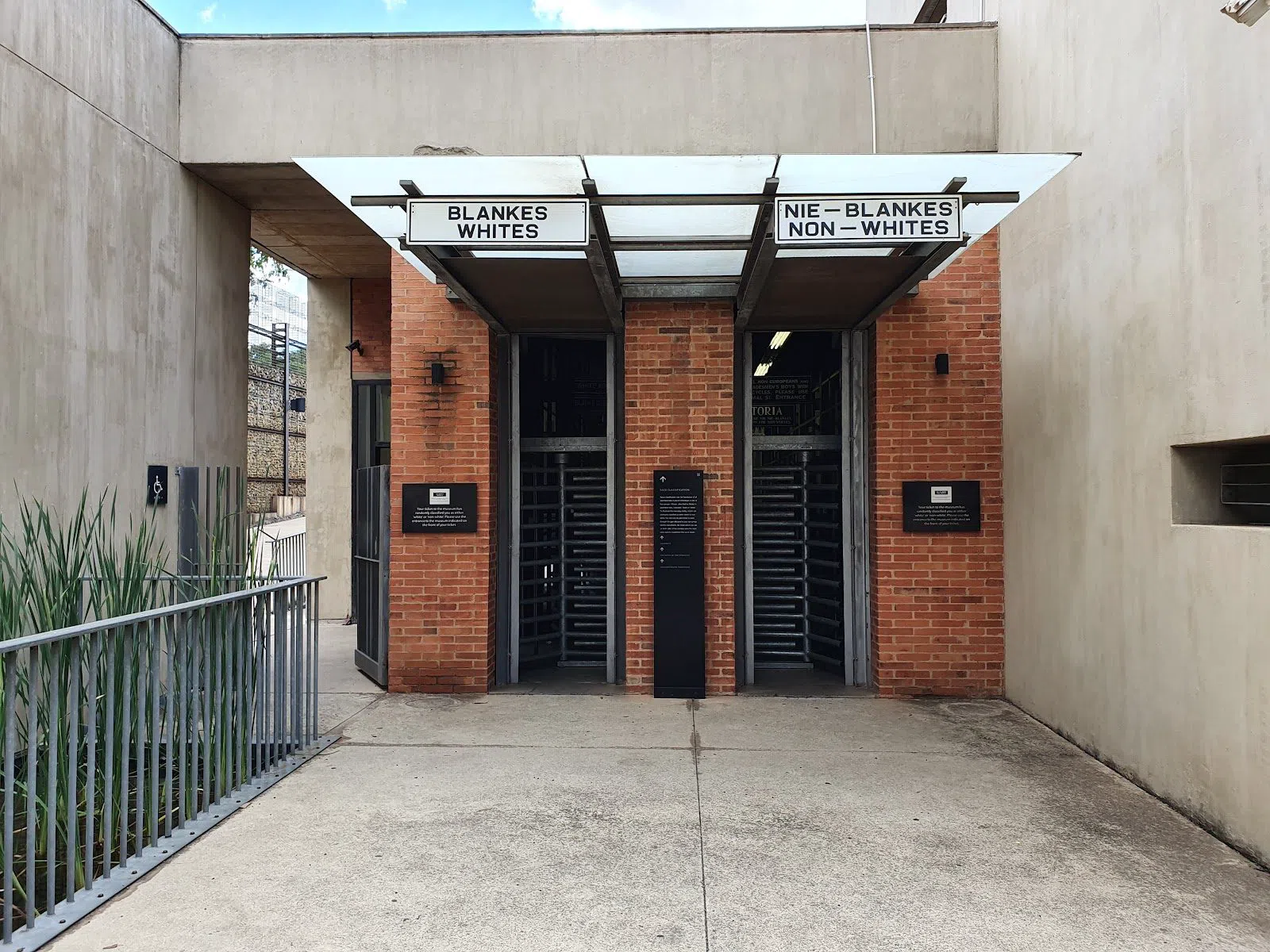
Give the morning to the Apartheid Museum (Ormonde) while you still have the attention for it. It is R240 per adult at the international rate, tickets timed and bought in advance through Webtickets, and you should allow three hours. The museum is self-guided, so large parties flow through without anyone chasing a guide, and it closes on Mondays. Reach it by e-hail or on the City Sightseeing loop; parking is somebody else's problem. The building is deliberately hard going, starting with an entrance that splits you by a randomly assigned race card, and three hours in there is a real three hours, not a rounded-up estimate.
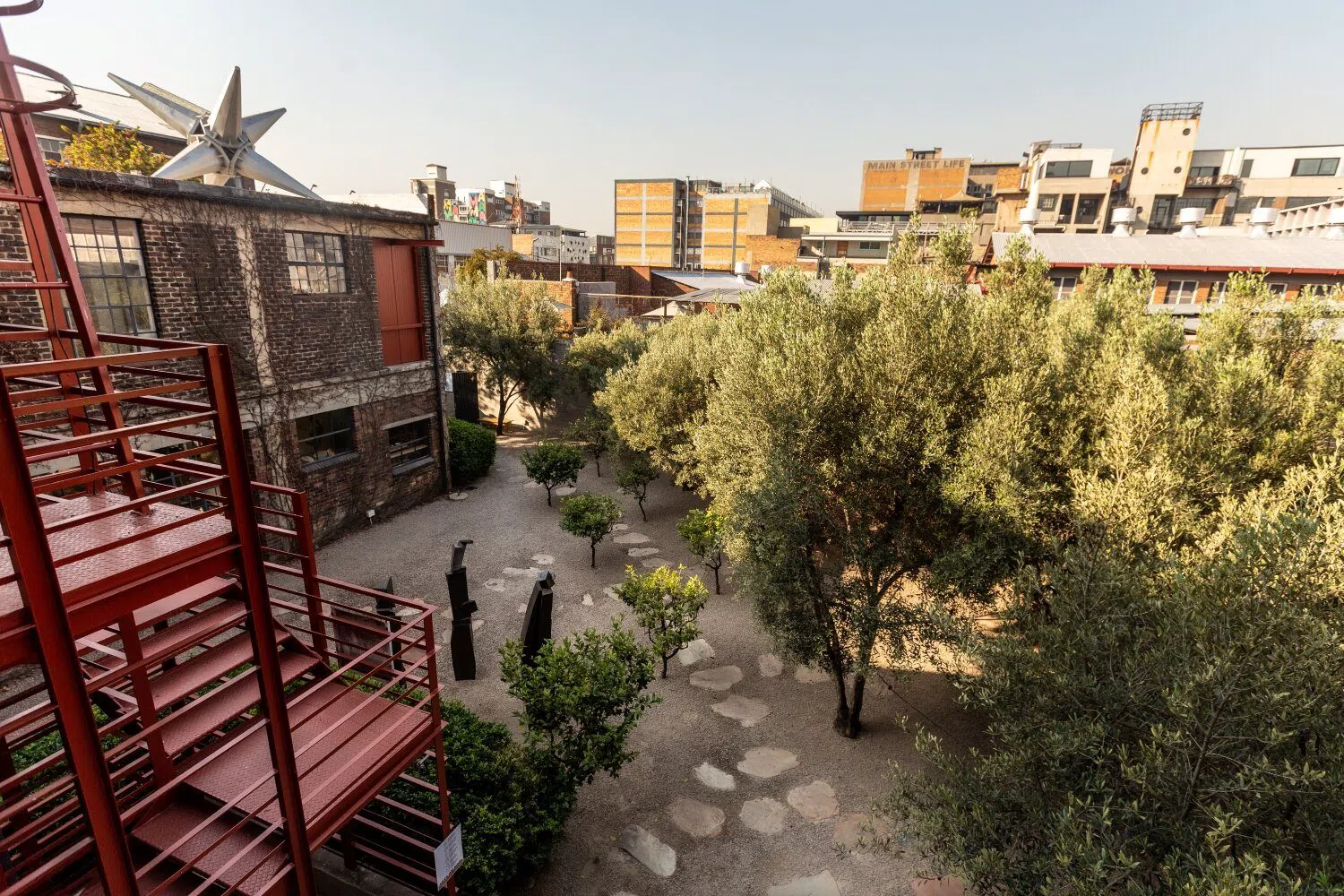
The afternoon depends on which day of the week you are standing in. Arts on Main (Maboneng), also known as Market on Main, is free and needs no booking; the Sunday sitting, 10am to 3pm, fills the courtyard with food and craft stalls and is the busiest and best-attended time to be there, with food and drink between R60 and R200. Midweek Maboneng is much quieter than its reputation suggests, so keep the visit to market hours and take an e-hail door to door rather than approaching on foot from the edges.
Rosebank Sunday Market (Rosebank) runs every Sunday 9am to 4pm on the mall rooftop, free to enter, with crafts and food from R40, and sits a three-minute walk from Rosebank Gautrain station. That makes it the one market on this list you can reach with no ride-hailing at all, which is worth something on a third day when the fares have added up.
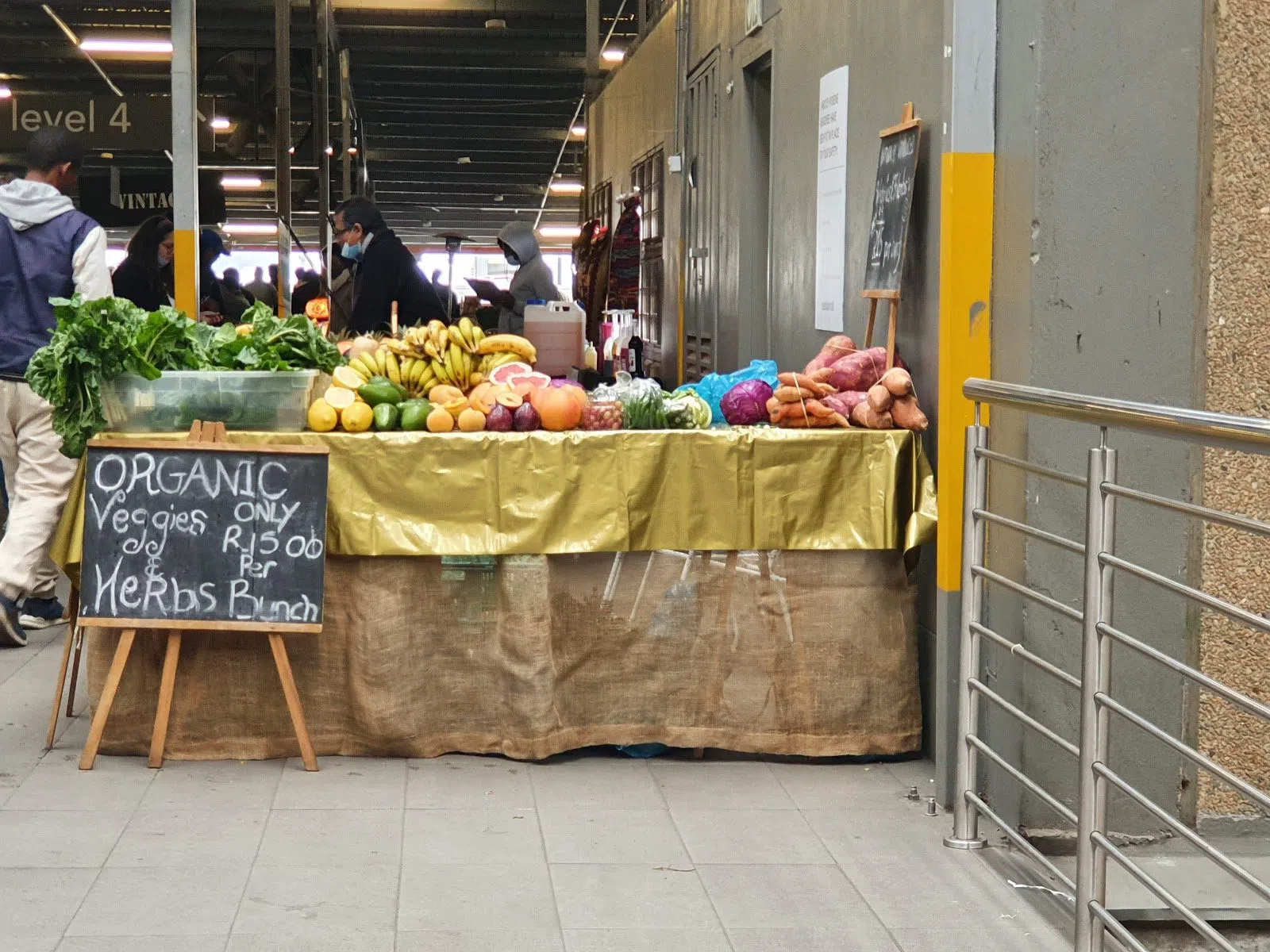
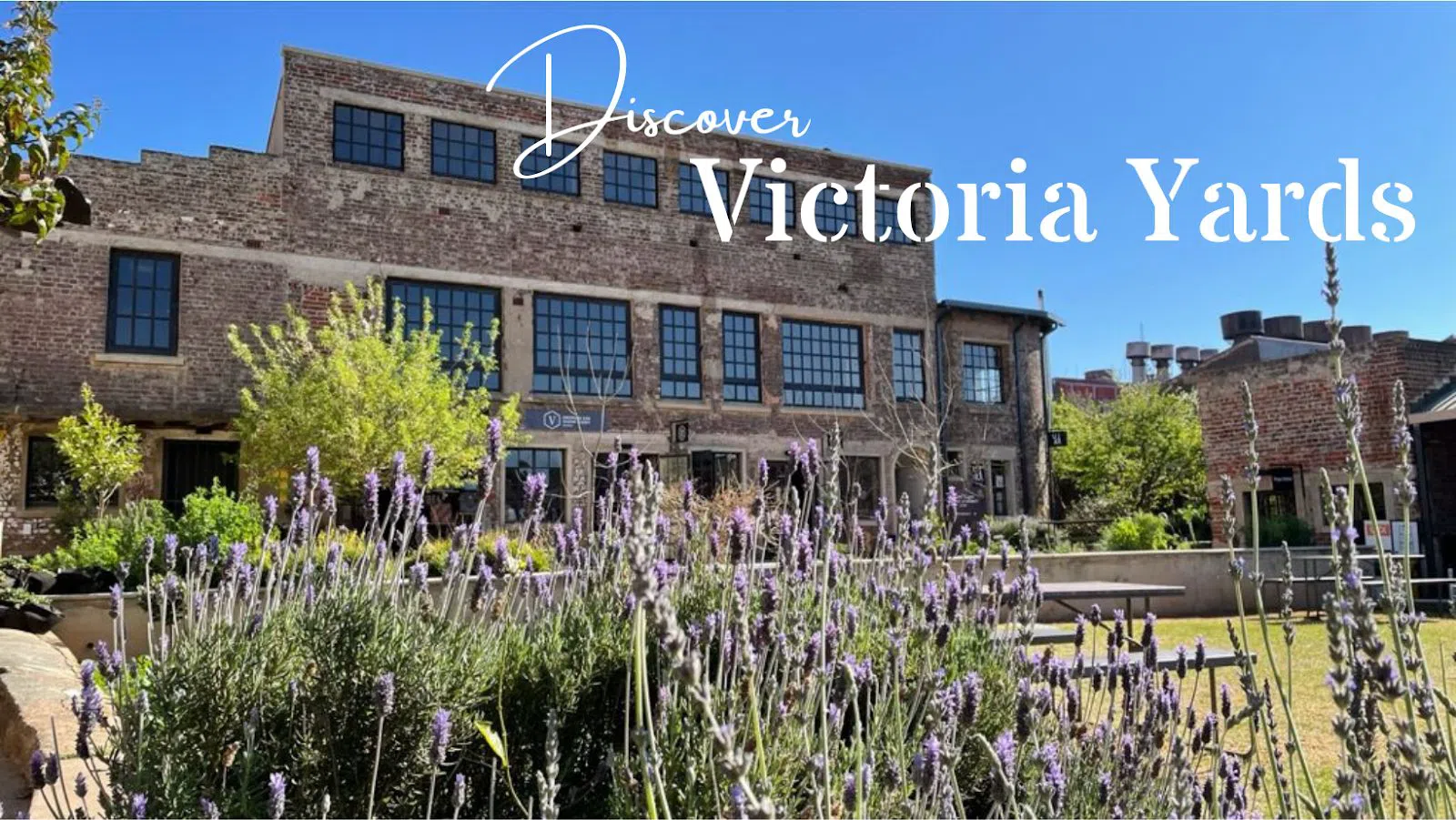
Victoria Yards (Lorentzville) is free and worth timing carefully: the first Sunday of every month, 10am to 4:30pm, is the open day, when the studios are actually open and the food stalls run, with pizza, coffee and craft from around R50. Outside that Sunday the studios keep patchy hours and the place is far sleepier. Arrive on a Wednesday and you will wonder what people were talking about.
Do not attempt all three of those in one Sunday. Two is comfortable; three means spending the day in cars looking at your phone. And if your spare afternoon falls on a weekday, Everard Read and Circa (Keyes Art Mile, Rosebank) is the one to use: Africa's oldest commercial gallery, founded 1913, with the free Circa space opposite and no entry charge for either. It opens Monday to Friday 9 to 5 and Saturday 9 to 1 only, so it cannot go on a Sunday. The Keyes precinct opened its next phase in 2026, so there is more to eat and drink around it than there was. Small groups walk in; larger parties should email the gallery first.
Ponte and Hillbrow, guided only
Dlala Nje (Hillbrow) runs guided walks of Ponte Tower and a 'This is Hillbrow' route, tickets online only and booked in advance, at around R500 per person. It is the one responsible way into either place without a car: you go with a guide who lives the streets you are walking, and the fee funds the children's centre at the base of the tower. Do not attempt Ponte or Hillbrow independently on the strength of photographs you have seen. It slots naturally into a Braamfontein afternoon, since the two sit close together, and it takes groups by advance booking rather than on the day.
Who this itinerary suits
Couples and pairs get the easiest version of these three days: walk-in bars, small guided tours, no reservations to chase. Groups of six to twenty need a little admin in advance (reserve Constitution Hill if you are twenty or more, phone Mandela House, ring Sakhumzi, email Everard Read, book Dlala Nje and Lebo's online), but nothing here refuses a group outright, and the Soweto operators run on group business daily. Families do well on the bike tours (tuk-tuks solve the under-tens) and less well at Kitchener's after nine. Anyone with limited mobility should favour the tuk-tuk over the bicycle in Soweto and the hop-on hop-off bus over the inner-city walking.
The practical bit
The Gautrain covers the spine you will actually use: Park Station for the city, then Rosebank, Sandton and the airport. It runs clean and on time, and you buy a card at the station. Everything else is Uber or Bolt, which are cheap by international standards and universally used. Do not hail cars off the street, and do not walk between areas after dark, even short distances. The City Sightseeing loop is a genuine third option for the inner city rather than a tourist tax.
On cash and cards: Constitution Hill is fully cashless and The Playground takes card only through Yoco. Carry small notes anyway for market stalls, tips and guides. Ten percent is the normal restaurant tip.
On timing: avoid Monday for the Apartheid Museum and Hector Pieterson. Wits Art Museum is closed Sundays, Mondays and public holidays. Everard Read is weekdays plus Saturday morning only. Soweto Towers runs Thursday afternoon and Friday to Sunday. Victoria Yards wants the first Sunday of the month. Build the trip around those five facts and the rest falls into place.
Budget per person, counting entries and food only: day one runs roughly R400 with the two-hour Constitution Hill tour, a free museum and a market dinner. Day two is the expensive one at about R1,200 with the 2.5-hour Soweto ride, both house museums and the Sakhumzi buffet. Day three lands near R900 if you add the guided Hillbrow walk to the Apartheid Museum and a market lunch, or closer to R400 without it. Add R300 to R600 a day for e-hails, less if you sleep in Braamfontein or Rosebank. For more on the city's districts and where they sit relative to each other, the Johannesburg guide is the place to start.
Before you go
Can you really visit Johannesburg without hiring a car?
Yes, for a three-day first visit. The Gautrain covers Park Station, Rosebank and Sandton. Uber and Bolt are cheap and everywhere. The City Sightseeing bus links the inner-city sights, and Soweto is best seen on a guided bike or tuk-tuk tour anyway. You cannot improvise your way around Soweto or the outer suburbs without a car, which is why the guided tours sit in this plan rather than in a list of optional extras.
Which day of the week should I avoid?
Monday. The Apartheid Museum and the Hector Pieterson Museum are both closed, and Wits Art Museum is shut Sunday and Monday plus public holidays. Soweto Towers only runs Thursday afternoon and Friday to Sunday. A Monday arrival is fine for travelling or resting, but do not build a museum day around it.
How much should I budget for three days?
Roughly R2,500 to R3,000 per person for entries, tours and food across the three days, plus R300 to R600 a day for e-hails depending on where you sleep. The biggest single item is the Soweto day, about R1,200 with a guided ride, two museums and the Sakhumzi buffet.
Do I need to book anything in advance?
Book Lebo's Soweto Backpackers and Dlala Nje online, buy Apartheid Museum tickets through Webtickets, phone Sakhumzi on 011 536 1379 for a table, and reserve Constitution Hill if your party is twenty or more. Kitchener's, The Playground, Rosebank Sunday Market, Arts on Main, Victoria Yards and Soweto Towers are all walk-in.
Where should I stay for the least amount of travelling?
Braamfontein if you want to walk to Constitution Hill, Wits Art Museum, The Playground and Kitchener's. Rosebank keeps a Gautrain station, the Sunday market and the Keyes galleries within a few minutes on foot. Sandton has the best hotel stock but puts every stop in this itinerary twenty to forty minutes away by car.