
Fly into Johannesburg at dusk and the skyline isn't the first thing you notice: it's the ridges. Long, flat-topped hills the colour of rust and old bone, some grassed over and grazed by horses, some still bare and yellow-white with cyanide-processed sand. These aren't hills. They're mine dumps, the leftover spoil from more than a century of gold extraction, and nobody in this city mistakes them for scenery. They're the actual foundation of Johannesburg, turned inside out and left standing in the open air. In 2026, several of the biggest ones are disappearing, trucked away and reprocessed for the gold the old technology missed.
This guide follows that landscape on foot, by hike, by tour bus and by quad bike, from the reef where it all started to the museums built, deliberately, on top of it. Nothing here is a replica. Every headgear, shaft and slag heap below actually did the work.
Where the gold was found, long before the dumps existed
Start west of the city centre, in Kloofendal Nature Reserve (Kloofendal, Roodepoort), because everything else in this guide is downstream of what happened here. This is the Confidence Reef and the Struben Mine Shafts, where the Struben brothers found payable gold in 1884, two years before the main discovery on the Witwatersrand that founded Johannesburg itself. The reserve is open daily and free, a proper stretch of Highveld grassland with klipspringer and a waterfall, easy for a group to wander for an hour with no booking required. The mine itself, the actual shafts and workings, is visited by prior appointment only, arranged through the reserve; don't turn up expecting to walk straight into it. It's a quiet, unbig-dealed sort of place, which is exactly right: this is the origin point, not the spectacle. Every dump you'll see for the rest of this guide is spoil from reef systems that trace back to this one.
A real mine you can still descend
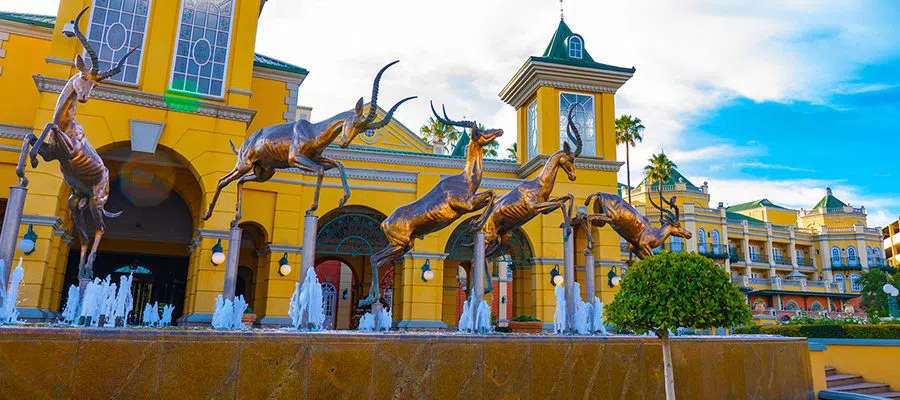
The spectacle is south of the centre, at Gold Reef City (Ormonde), a theme park built directly on top of a played-out Crown Mines shaft. This matters more than it sounds: the headgear towering over the rollercoasters is real mining infrastructure, not stage dressing, and the underground tour takes you down an actual shaft, not a mocked-up one. You can ride the rides and watch the dumps go past the windows of the swinging pirate ship, which is a genuinely odd thing to experience once you know what you're looking at.
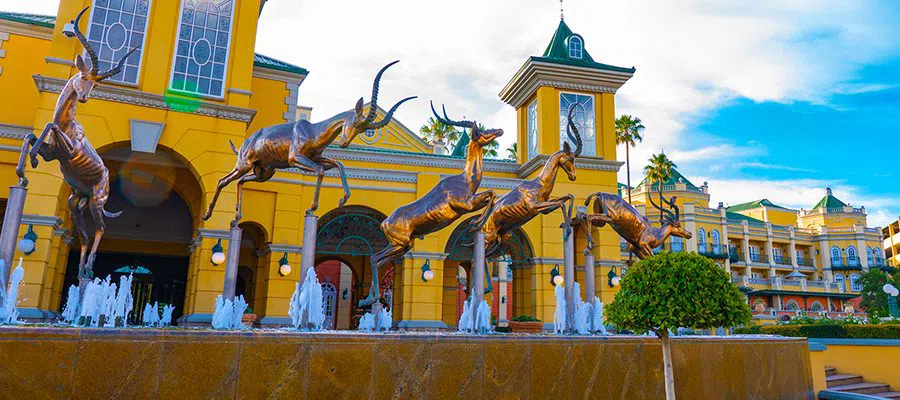
Book the mine tour alone for around R150 if that's the only reason you're going, or general admission plus the mine tour together for about R355. It suits large groups well: school parties and tour groups get pre-booked rates, and the whole operation is built for volume, so don't expect an intimate experience. Go on a weekday morning if you want the underground section without a queue; weekends get loud and family-heavy.
Soweto's dump has a life of its own
The most honest way to understand what these dumps mean to the people who actually live alongside them is the Soweto Ndofaya Hike (Soweto, various starting points depending on the week), led by Masike Lebele. This is a 6.5km walk straight up and over a working-class Soweto mine dump, not a scenic bypass around it, and it runs as a group hike most Sundays, around 20 people at a time, with water, a walking stick and snacks included in the R200pp price. It regularly sells out weeks in advance, so this is not a same-week booking; call ahead and lock in a date before you commit to anything else in Soweto that day. What you get for the effort is dust, folklore, and a route that treats the dump as a lived-in part of the neighbourhood rather than a curiosity: informal shrines, stories about what's buried underneath, views over Soweto's rooftops from the top that no bus tour reaches.
For a faster, rowdier version of the same terrain, Soweto Quad Bike Tours (Soweto, near Orlando Towers) run roughly 45-minute rides across the same reclaimed mining ground for about R400-R600pp. There's a firm no-under-14s policy and you'll sign an indemnity form before you're handed a helmet, so this isn't one for families with small children. It suits groups of friends or couples wanting an adrenaline hour, and it pairs naturally with a stop at Orlando Towers right next door, the old cooling towers turned bungee jump.
The mining district turned its own machinery into street furniture
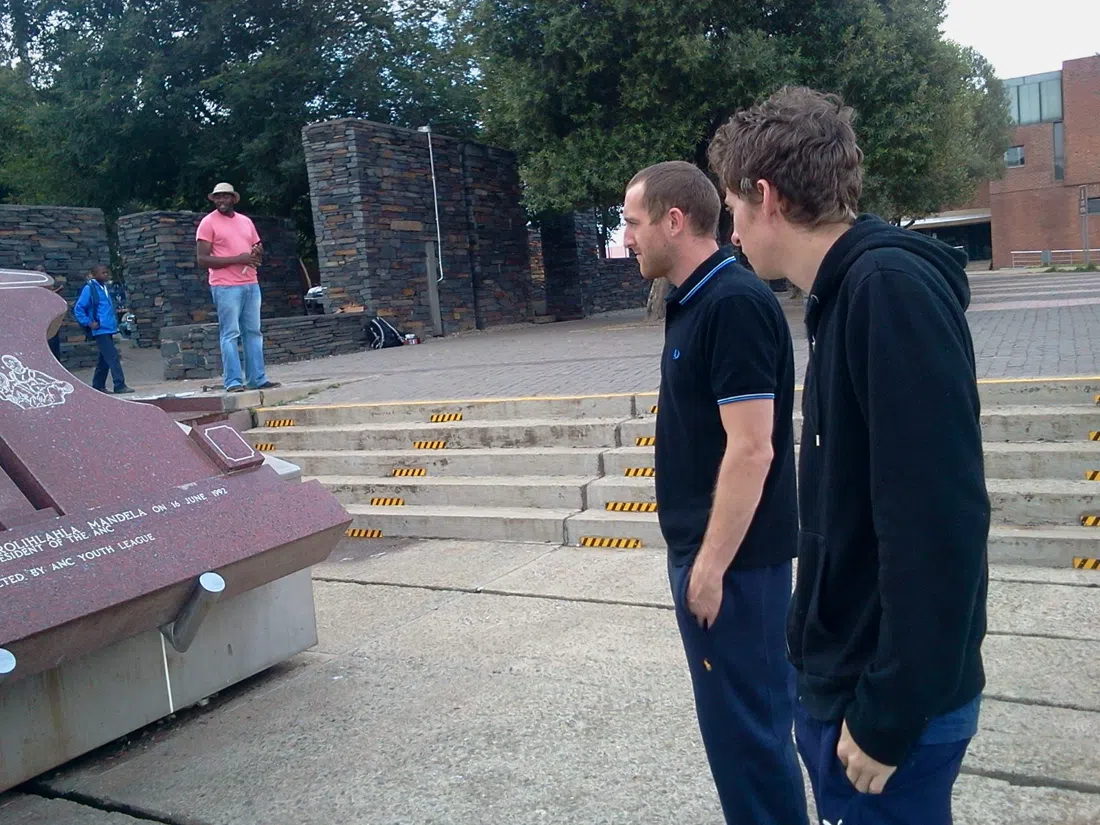
Back in the city centre, the Main Street Mining District Walking Tour run by the Johannesburg Heritage Foundation covers something rarer: the corporate quarter that ran the gold industry, where old headgears, ore trucks and stamp mills now stand as sculpture on the pavement outside the same boardrooms that once owned the mines they came from. It's a small guided group format, book ahead, this isn't a walk-up tour, and it costs somewhere in the R150-R250pp range. It's a slow, close-reading kind of walk, good for anyone who wants the corporate and financial history of gold rather than just the physical spoil of it, and it works better for couples or small groups of four to six than for a coach party.
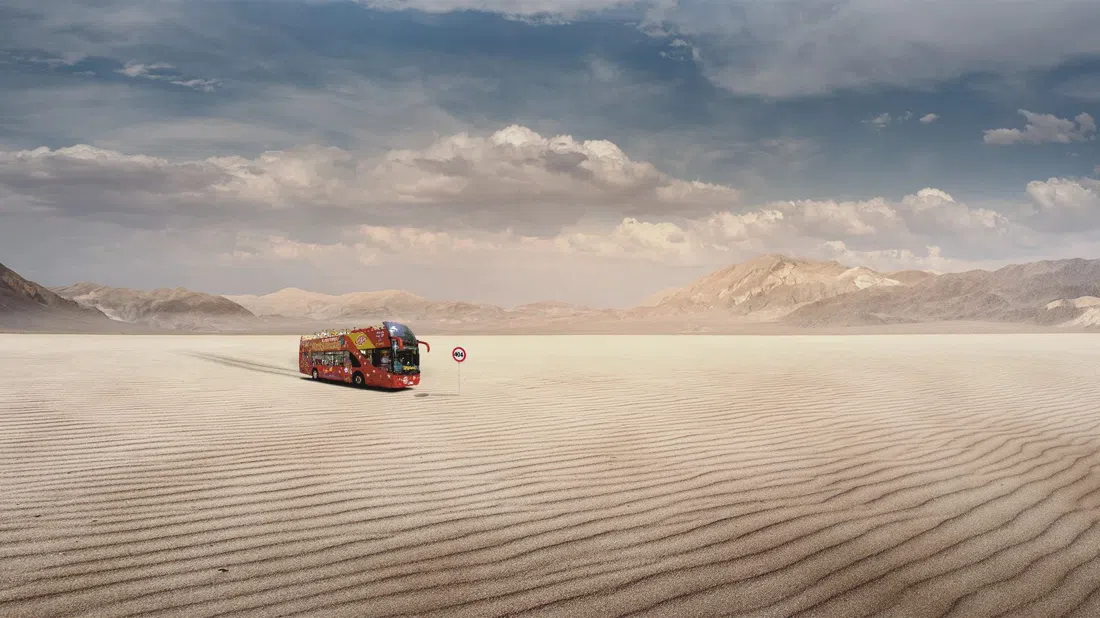
If you'd rather cover the same ground with none of the walking, the City Sightseeing Johannesburg Hop-On Hop-Off bus runs through the same mining district with an audio guide in six languages, a one-day ticket costing roughly R250-R300pp. It's built for large groups and time-pressed visitors, easy to dip in and out of, and it's a reasonable low-effort on-ramp if you're deciding whether the district is worth a proper walking return visit later.
The museums that explain what you just walked past
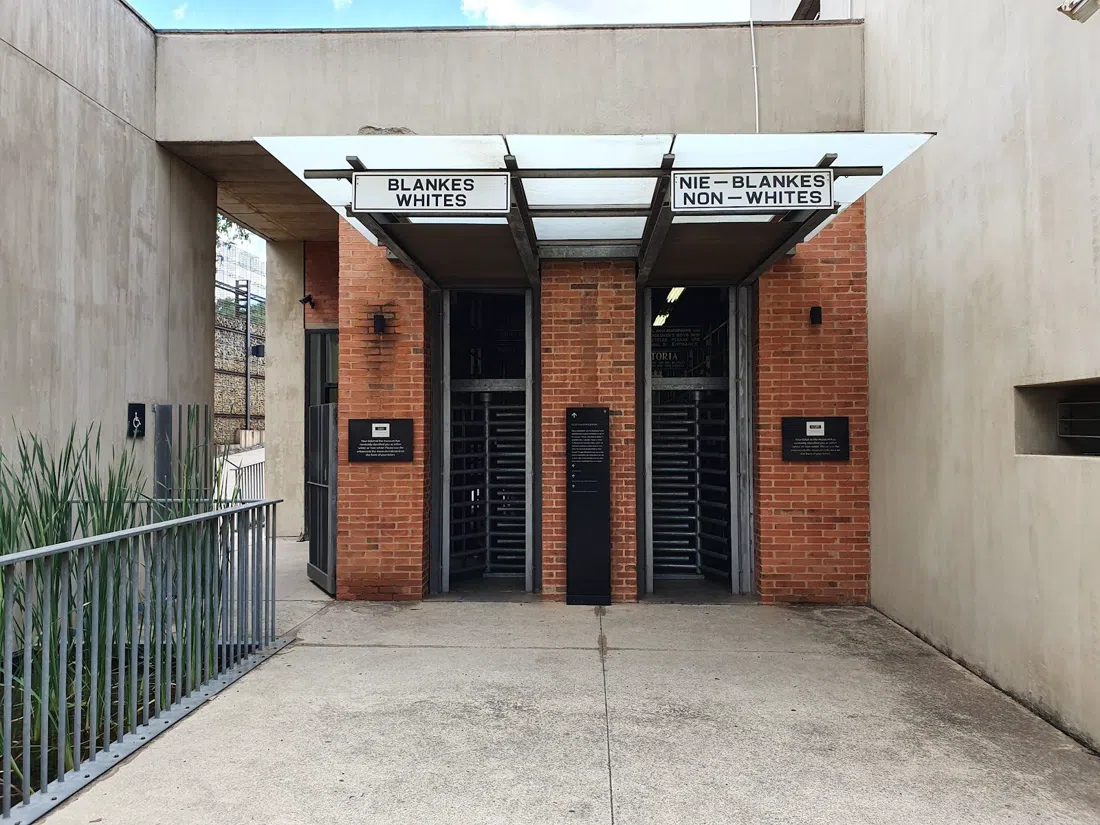
The Apartheid Museum (Gold Reef City precinct, next to the theme park) is not incidental to this itinerary: it was built on reclaimed gold-mine land as a condition of the neighbouring casino's gambling license, and its architects made that history explicit. The building is deliberately brutal and rust-toned, a direct architectural echo of the dumps just outside its walls. Budget a genuine two hours, more if you read carefully; entry is R240pp and larger parties should pre-book. This isn't a museum you tack onto the end of a day at the theme park next door. Treat it as its own visit, ideally with something quieter booked afterwards to sit with it.
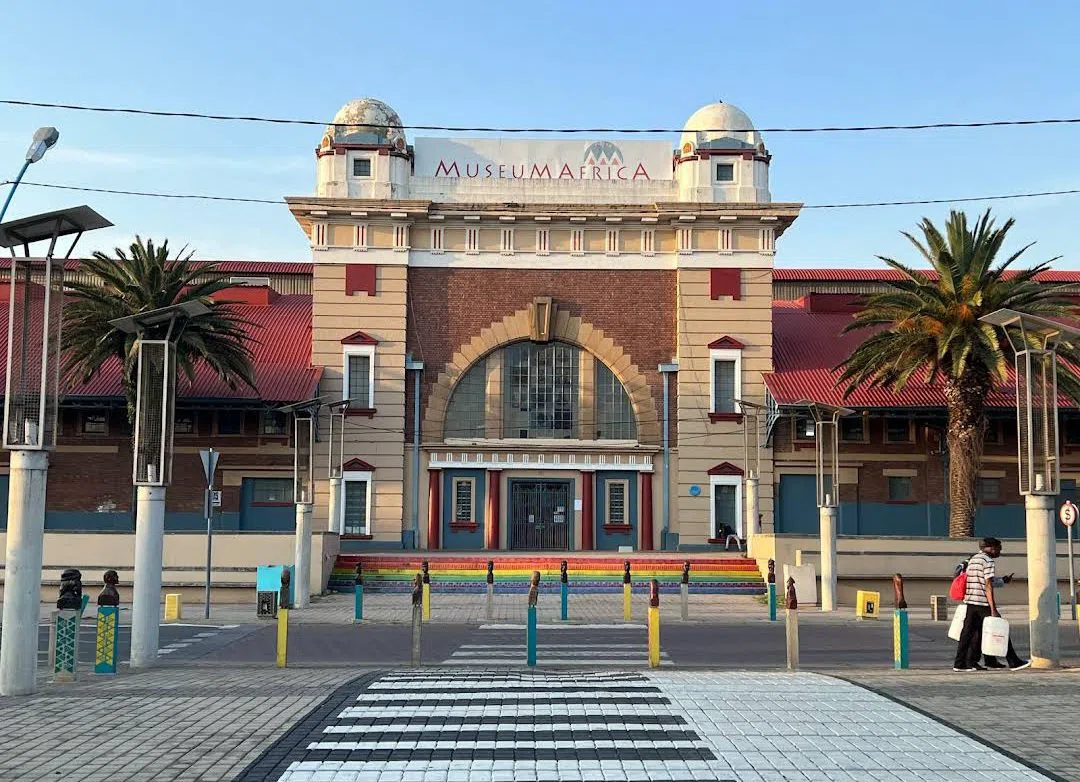
Museum Africa (Newtown) is the indoor companion piece to everything above ground: free entry, open Tuesday to Sunday 09:00-17:00, groups welcome without pre-booking hassle. Its photographic archive of the mining city, compound life and the townships built to house mine labour gives context to the dumps, hikes and district walks in a way that's easy to skip and shouldn't be. Go here either before the Soweto hike, to know what you're looking at, or after, to make sense of what you saw.
A windmill on a dump, and a lake worth skipping
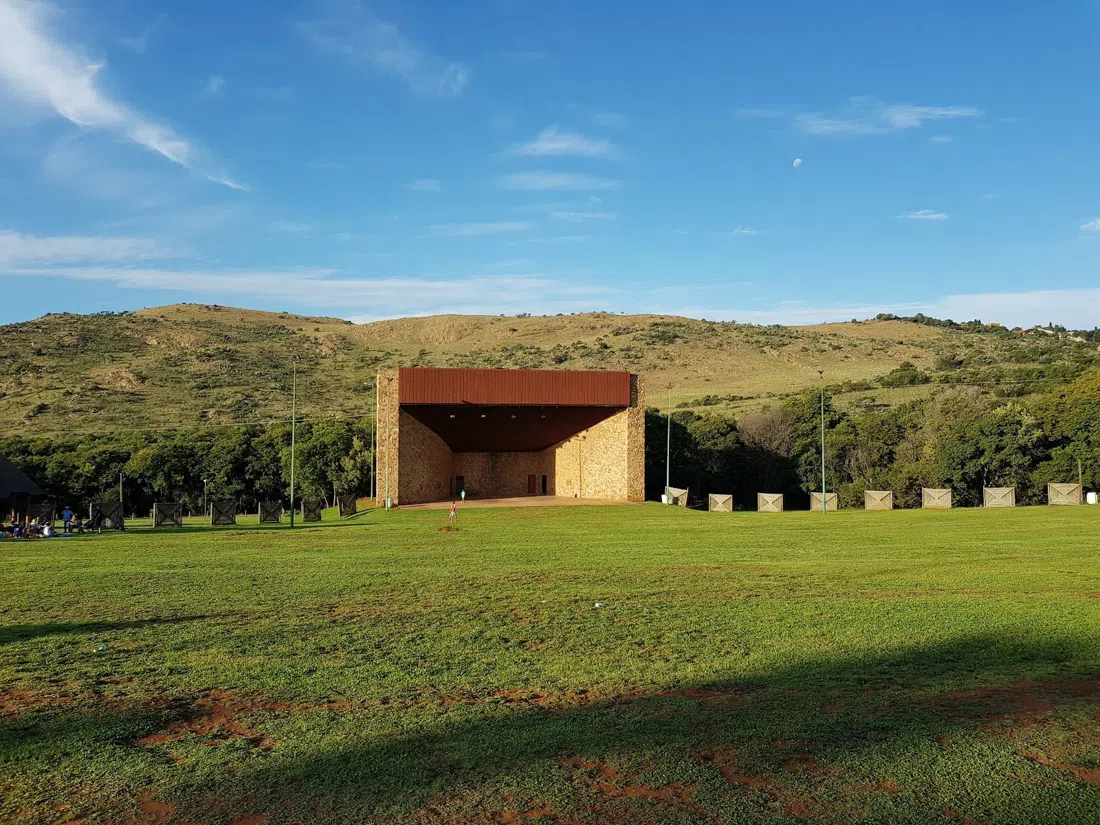
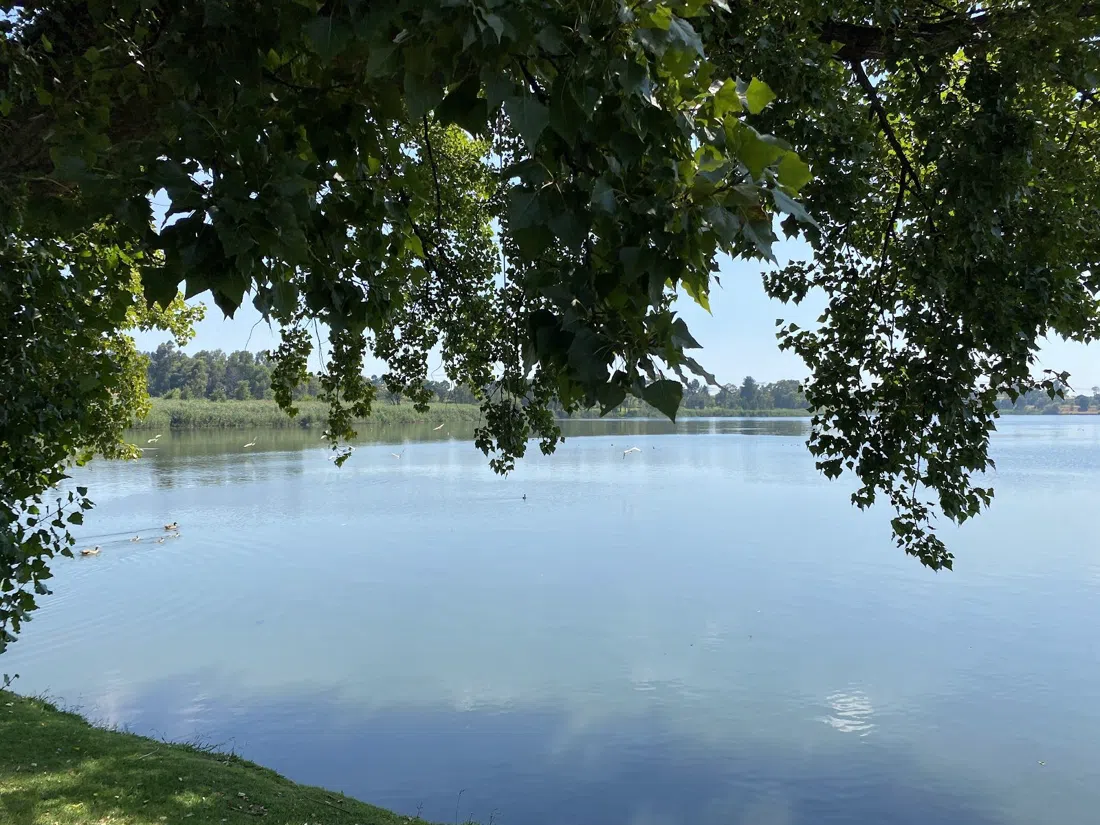
Last on the list, and the one to keep expectations honest about: Pioneers Park at Wemmer Pan, close to the city centre, free and open to the public with fine picnic and group space. The draw is a genuine oddity, a windmill built into the side of a reclaimed mine dump, plus walking trails around it, and it's worth the detour for that alone. Be straight with yourself about the lake, though: Wemmer Pan itself is polluted and has been neglected for years, and no amount of city-guide enthusiasm changes that. Come for the windmill and the trails, keep your visit to the shoreline brief, and don't plan a picnic lunch by the water.
Read the full Johannesburg guide for hotels, restaurants and the rest of the city beyond the mining history, and sort accommodation early. See the Johannesburg hotel search if you haven't booked yet, since the areas nearest Gold Reef City, Newtown and the Main Street district each put you closer to a different half of this itinerary.
Getting around, cash, timing and budget
Transport. Johannesburg is not a walking-between-sights city: the distances between Kloofendal, Gold Reef City, Soweto and the CBD are 20 to 40 minutes apart by road, and pedestrian routes between them don't exist in any safe or practical sense. Use Uber or Bolt for individual sights, or book a driver for the day if you're covering three or more locations; most of the tours above (Ndofaya Hike, quad bikes, Main Street walking tour) either include transport logistics in the booking or specify a fixed meeting point reachable by rideshare.
Cash. South Africa runs on the rand, and cards are accepted at every venue on this list: Gold Reef City, the Apartheid Museum and the hop-on-hop-off bus all take cards without issue. Keep a modest amount of cash on you regardless, for the Soweto-based operators (quad bikes, hike guides) where a cash tip or an on-the-day top-up is more straightforward than a card machine that may or may not have signal.
Timing. Book the Soweto Ndofaya Hike and the Main Street walking tour first: both run on fixed group schedules and both sell out, the hike sometimes weeks out. Everything else (Gold Reef City, the museums, Pioneers Park) can be slotted around them. Do outdoor walking and hiking in the morning; Highveld afternoons in summer bring sudden, heavy thunderstorms.
Budget. A full day covering the Apartheid Museum, Gold Reef City's mine tour and general admission, and a hop-on-hop-off ticket runs to roughly R845pp before food and transport. Add the Ndofaya Hike (R200) or quad biking (R400-R600) on a second day, and this remains, by South African city standards, an inexpensive way to spend a week: the free entries at Kloofendal, Museum Africa and Pioneers Park do a lot of the work.