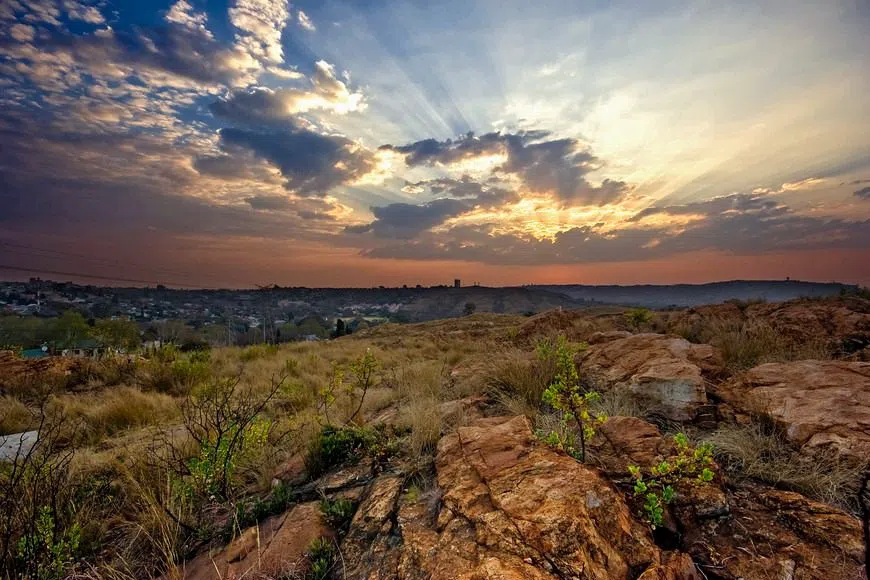

Johannesburg was built on gold, and the ridges the prospectors chased still push up through the northern and southern suburbs, grassy and rocky and mostly ignored by anyone doing 100km/h on the M1. Between those ridgelines sit botanical gardens, bird sanctuaries and a river trail that stitches the whole system together, almost none of it more than a half-hour from the centre. None of this is secret — Joburgers use it every weekend — it's just rarely what an outsider pictures when they hear the word Johannesburg.
Reading the Ridges: Where the City's Story Starts
Start with the ridge the city takes its name from. Melville Koppies Nature Reserve, in Melville, is the original Highveld ridge, and it still holds Iron Age ironworking ruins that predate Johannesburg by centuries — smelting sites a volunteer guide will point out that most visitors would otherwise walk straight past. Access is the catch: the Central section, where the ruins sit, is gate-locked except on Sundays from 8am to 11:30am, or during a booked guided walk. Ninety-minute guided tours run monthly, alongside occasional 8km group hikes, and both need an email booking well ahead — this isn't a reserve you turn up to on a whim. Donation entry runs free to R50, and it's worth the wait for a Sunday morning slot if the tour dates don't line up with your trip.
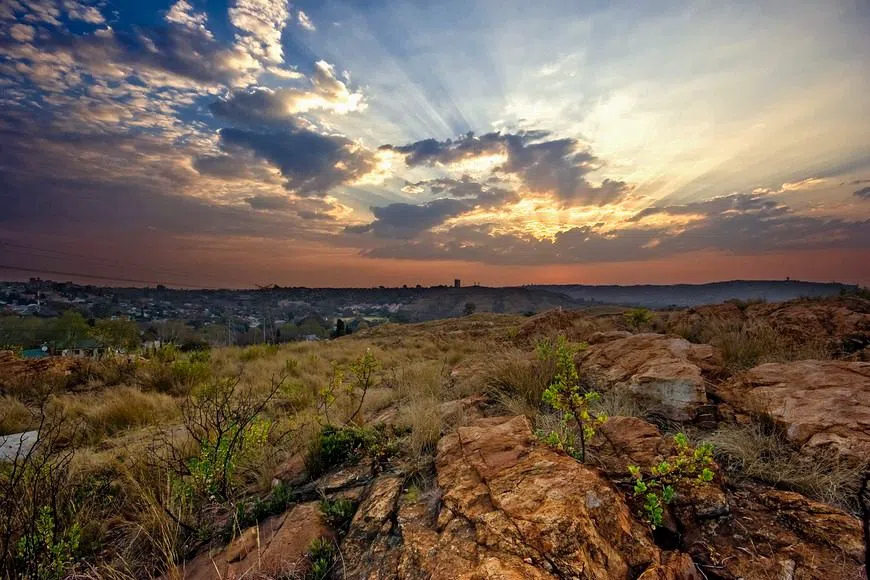
Fifteen kilometres west, Kloofendal Nature Reserve, in the suburb of the same name near Roodepoort, marks roughly where Johannesburg's gold rush began — old mining relics sit across the ridge that most people driving past on the R41 never connect to the CBD skyline behind them. It's free, open daily from 6am to 6pm with last entry at 5pm, and takes groups of up to 20 without any booking. It can also be booked out entirely for photo or film shoots through JCPZ, the city's parks agency, so it's worth checking availability before planning a group visit — especially in spring, when wildflowers draw photographers in real numbers and the reserve gets busier than its size suggests.
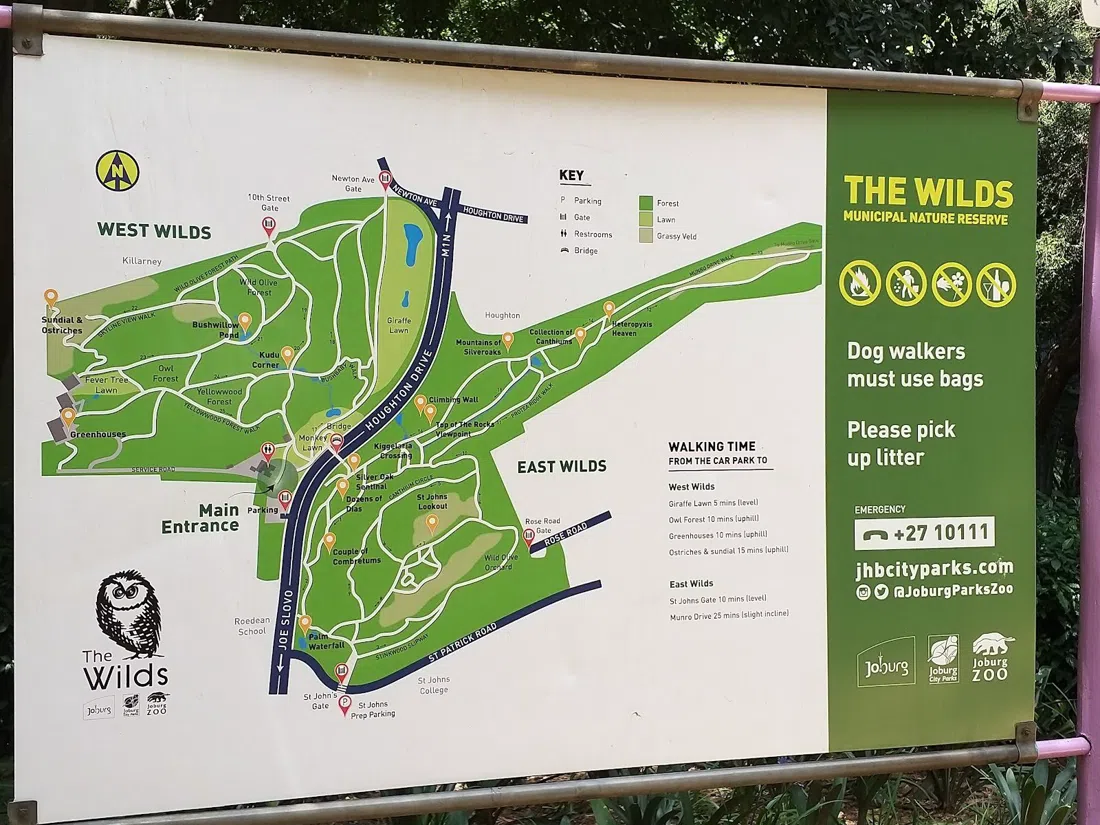
Closer to the centre, The Wilds Nature Reserve, on the hillside above Houghton, is the best comeback story on this list. It was neglected and genuinely dangerous for years; a community restoration project — including artist James Delaney's now-recognisable owl sculptures set through the undergrowth — has brought it back as one of the sharpest viewpoints over the CBD skyline anywhere in the city. It's free and open-access, which is exactly why the advice here is blunt rather than decorative: go in daylight, and go in numbers. It suits a small group with a camera far better than a solitary wander, and it rewards an early-morning visit before the light flattens over the towers below.
Wild Ground Inside the City Limits
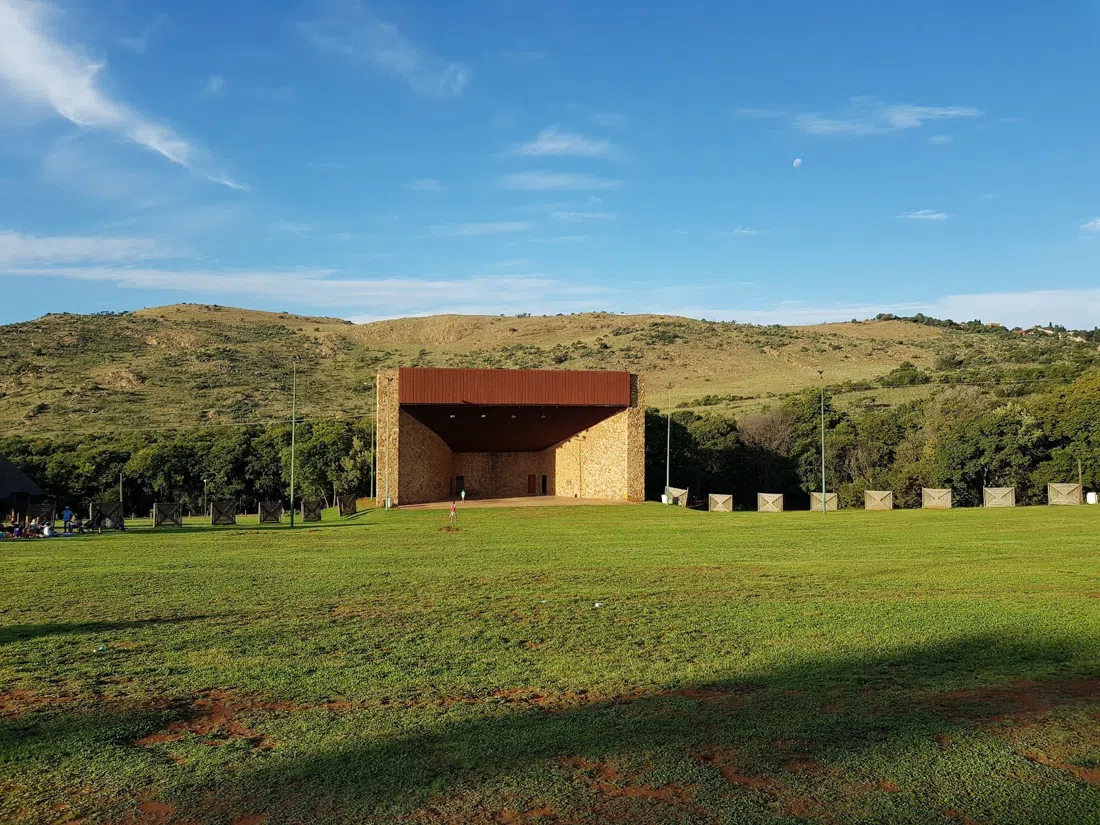
For something closer to open veld than manicured park, Klipriviersberg Nature Reserve, 11km south of the CBD near Kibler Park, is the wildest of Johannesburg's ridges. It's self-guided, open sunrise to sunset every day, free, and needs no booking even for large groups — and it genuinely feels the part, with free-roaming antelope moving across grassland that could pass for a hundred kilometres from any highway rather than a suburb. This is the pick for anyone after a proper walk with real distance and elevation, rather than a stroll between benches, and its size means a group can spread out without feeling like it's sharing the trail.
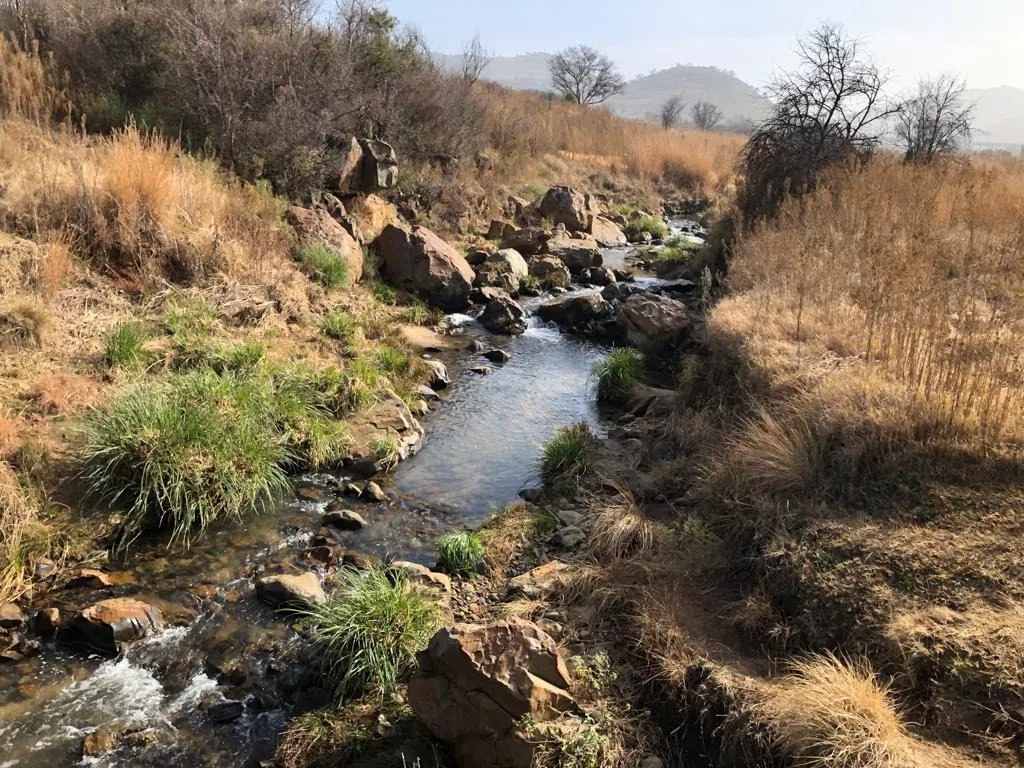
On the opposite side of the city, Modderfontein Reserve, out east near the suburb of the same name, is Gauteng's second-largest privately run open space and, by local reputation, Johannesburg's best-kept mountain-biking and trail-running secret — maintained by a resident conservation society rather than the municipality. No booking is required, but the reserve does close its gates to extra visitors once it reaches capacity, so a group planning a weekend ride is better off arriving early than mid-morning. The trail network here is built for speed as much as scenery, which sets it apart from the walking-first reserves elsewhere on this list.
Two Botanical Gardens, Two Different Moods
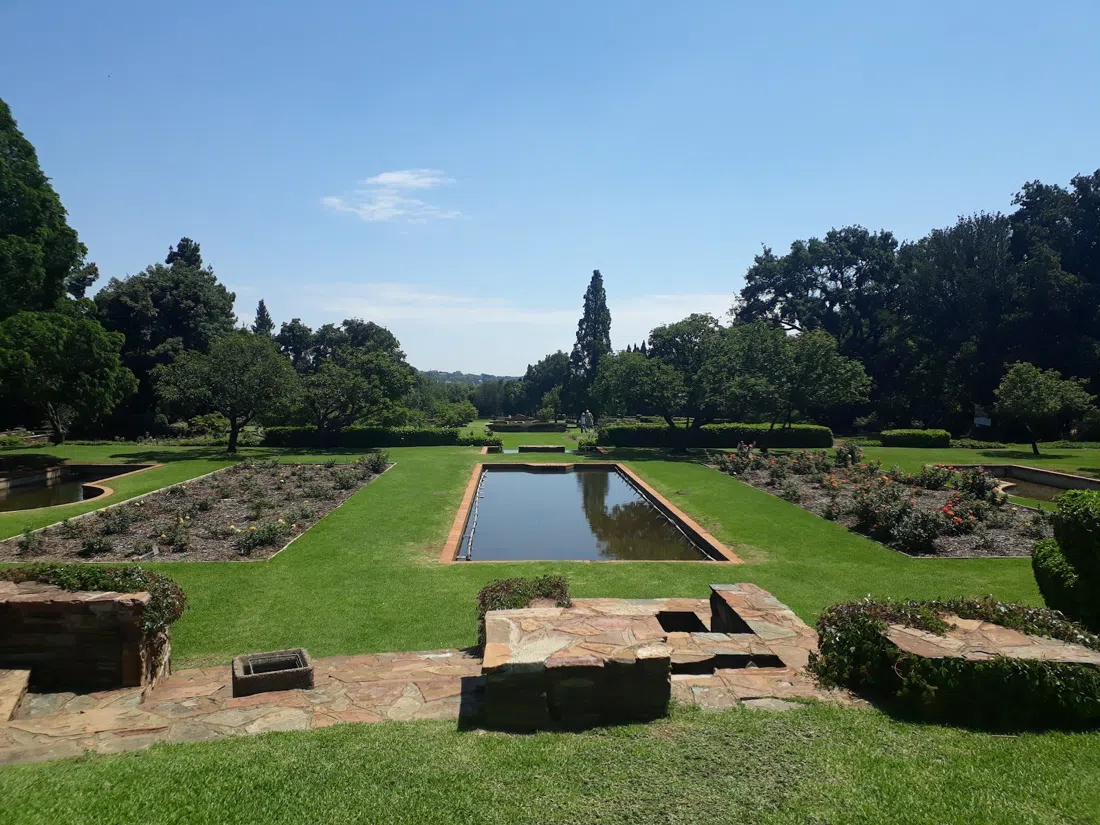
Johannesburg Botanical Garden, in Emmarentia, is the softest, most manicured green space on this list: 81 hectares of rose gardens, an arboretum and a stretch of dam frontage, with open lawns and paved paths that absorb a family picnic or a large group without any friction. It's free, needs no booking, and sits close enough to the centre to work as a half-day add-on rather than a full expedition — bring a blanket and treat it as the calm counterpoint to a morning spent on one of the ridges.
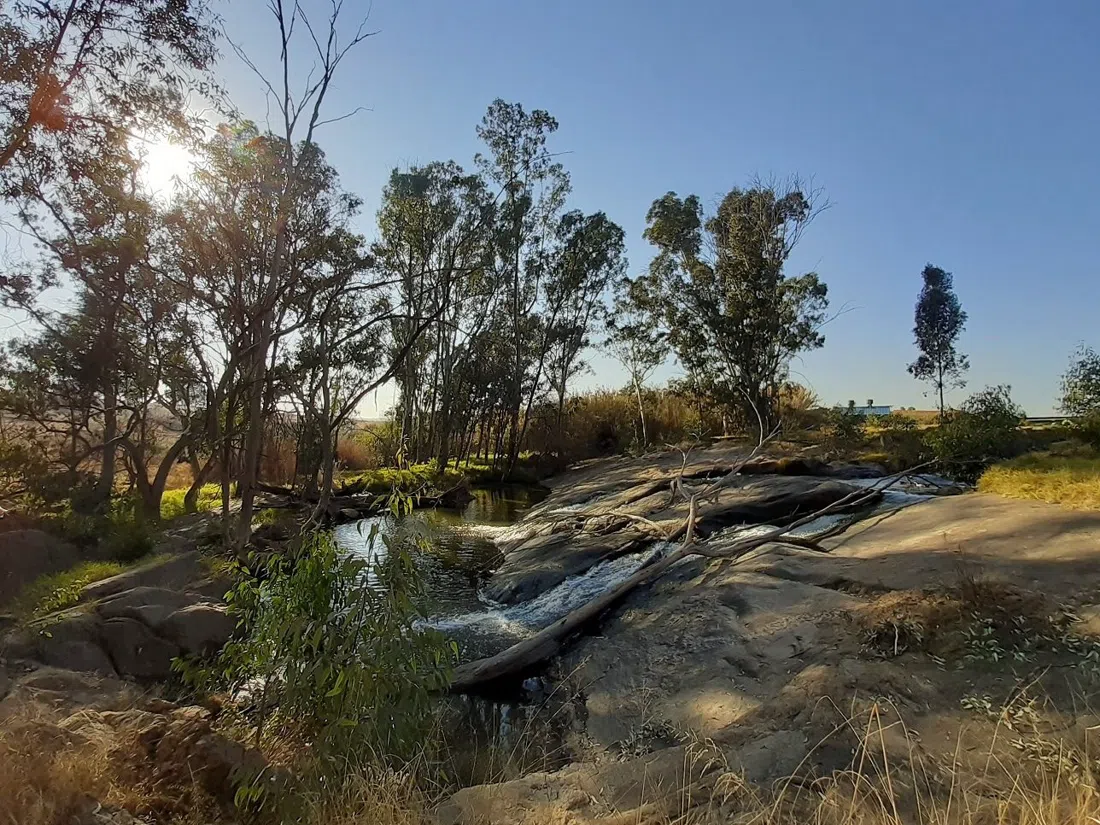
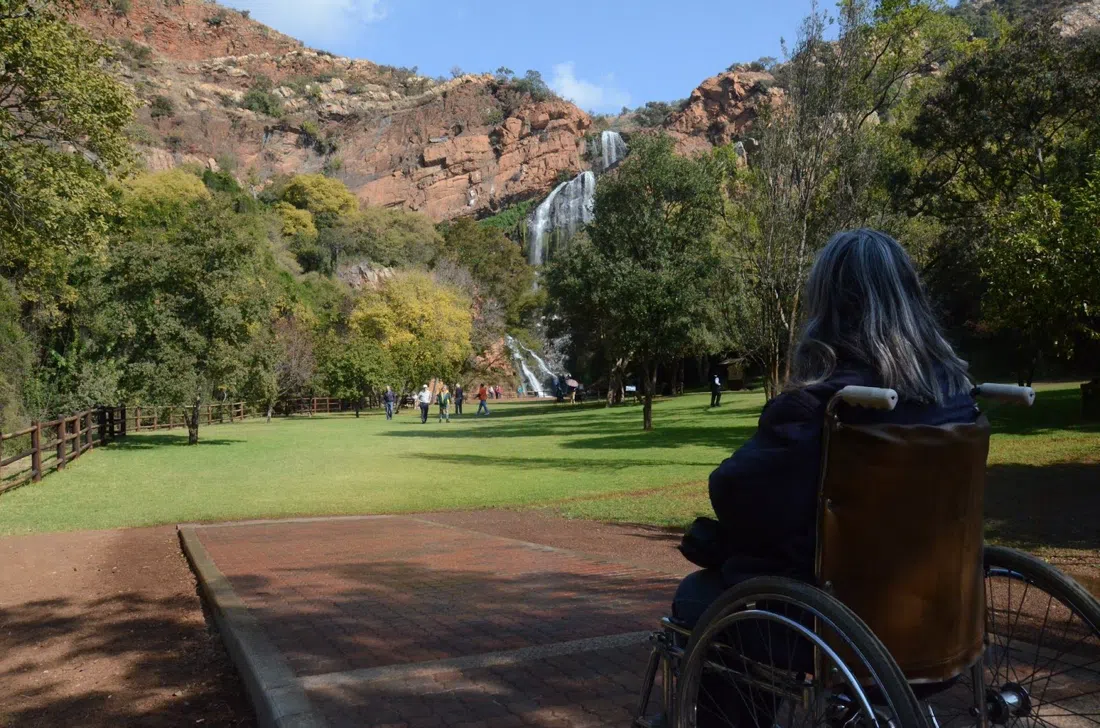
For the flagship version of the same idea, Walter Sisulu National Botanical Garden, about a 30-minute drive west of the CBD, is SANBI's showpiece for the region — a waterfall, a resident pair of black eagles, and grounds large enough to be genuinely set up for coach parking and tour groups, with an on-site restaurant for lunch afterwards. Entry runs around R100. This is the one to build a half-day around rather than fit in on the way to somewhere else, and the eagles alone are worth timing a visit around if you can get word of an active nest.
Parks for Picnics, Ducks and Weekend Life
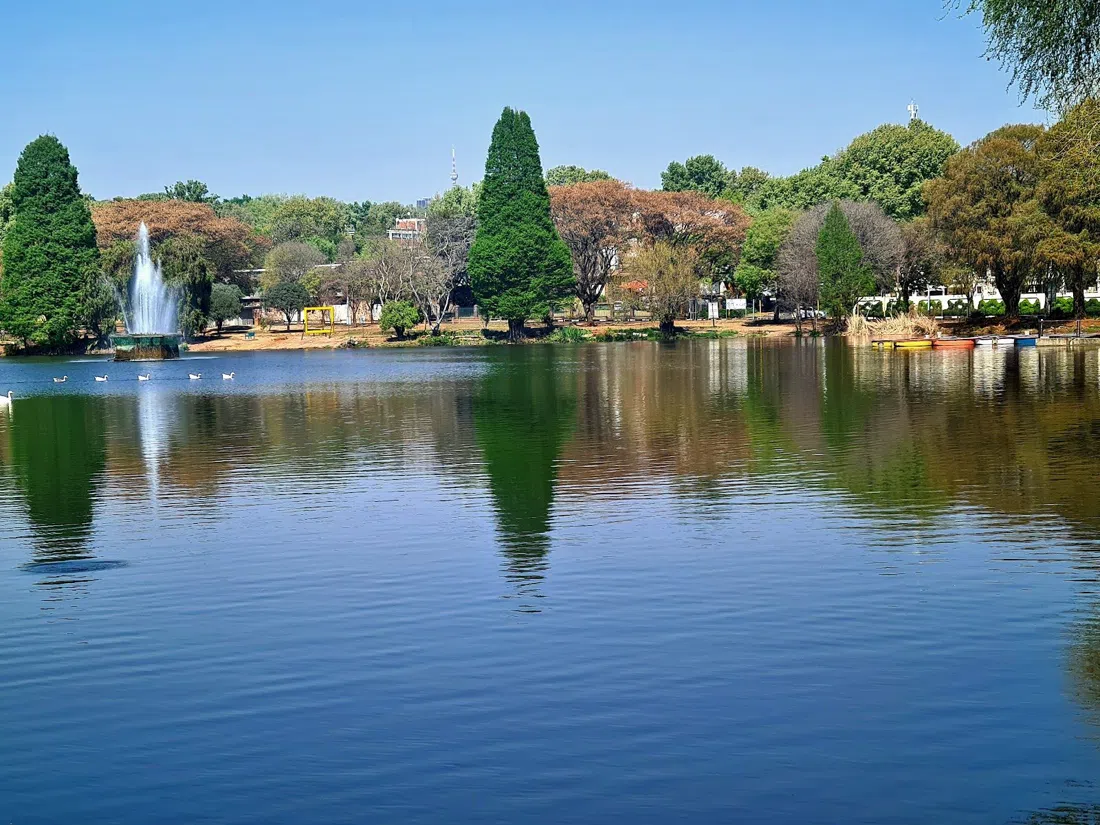
Zoo Lake, in Parkview next to the Johannesburg Zoo, is the classic, low-key version of a Joburg Sunday: rowboats on the water, ducks working the shoreline, a restaurant on site, and lawns that absorb weekend crowds without ever feeling packed. Entry is free; boat hire is extra. It pairs easily with a walk through Parkview's cafés on either side, and it's an easy recommendation for anyone who wants green space without any planning at all.
Delta Park & Florence Bloom Bird Sanctuary, straddling Victory Park and Blairgowrie, is the city's biggest green lung, and the bird sanctuary built into it is a proper one rather than an afterthought, with full step-free access throughout. The on-site Delta Environmental Centre runs structured group and school visits, so it's built for parties rather than just tolerant of them. Entry is free, and the sheer size of the grounds means it rarely feels crowded even on a busy Saturday.
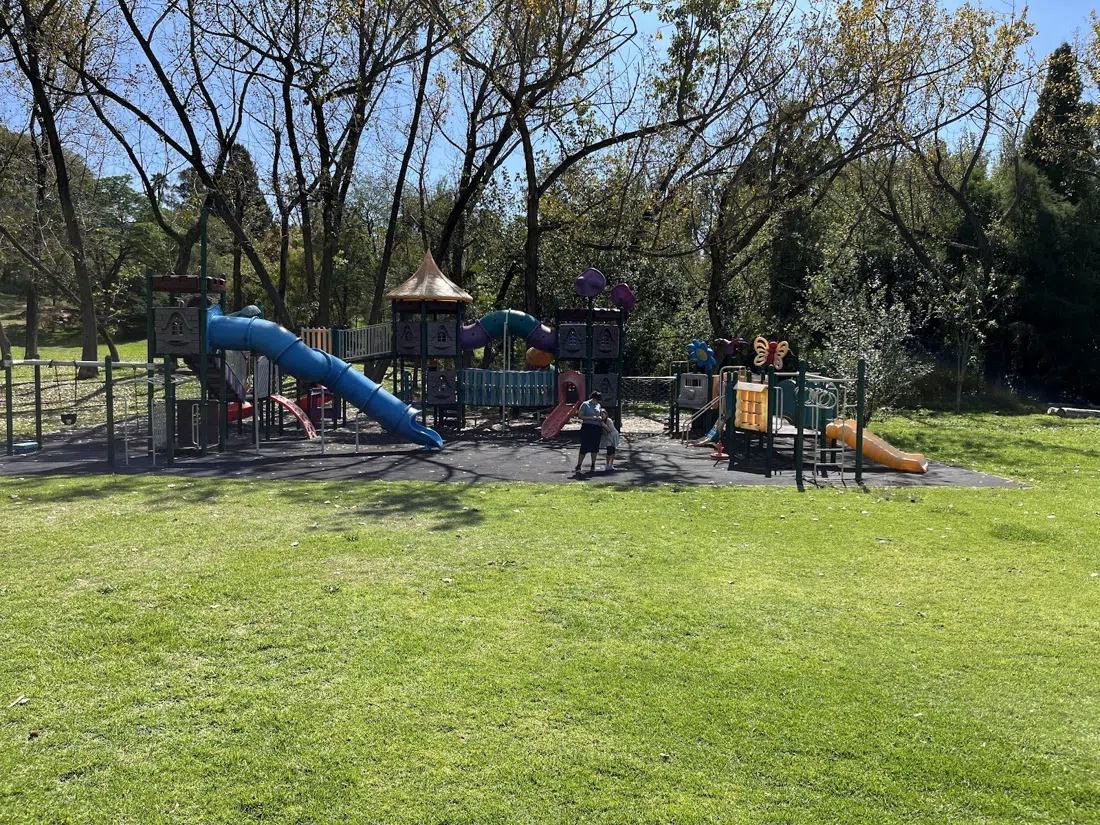
James & Ethel Gray Park, also known as the Melrose Bird Sanctuary, sits directly against the glass towers of Melrose Arch — 36 hectares and 120 recorded bird species pressed up against the sharpest urban-grid-versus-nature contrast in the city. It regularly hosts large ticketed festivals, so it handles casual groups just as comfortably the rest of the time; check the calendar before a quiet visit, since a festival weekend changes the whole character of the place. Entry to the park itself is free; events are ticketed separately.
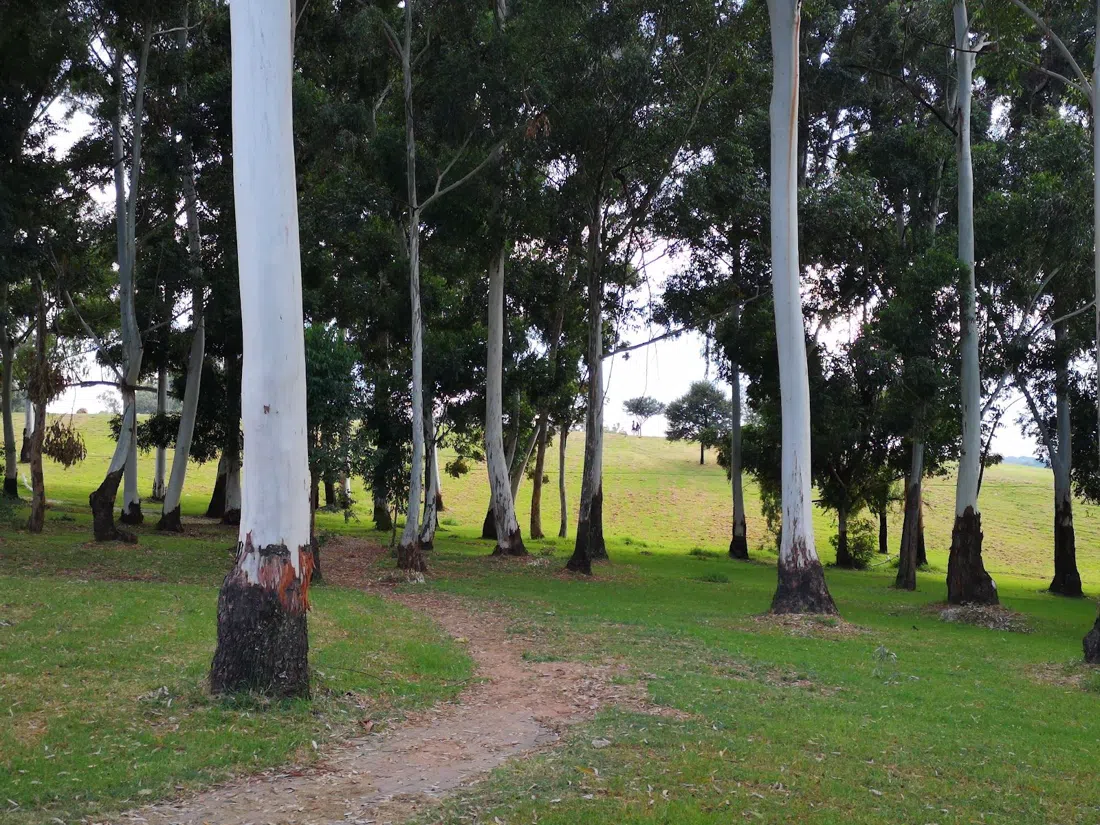
Alberts Farm Conservancy, between Emmarentia and Linden, is the city's second-largest green lung after Delta Park, and the one locals actually use daily rather than visit once — dog walkers, joggers and the Saturday 8am parkrun keep it in constant, unglamorous use. It's free, open access, needs no booking, and works well for a weekend group picnic on the ridge, with views back over Linden's rooftops that most visitors never get from ground level.
Stringing It Together on Foot
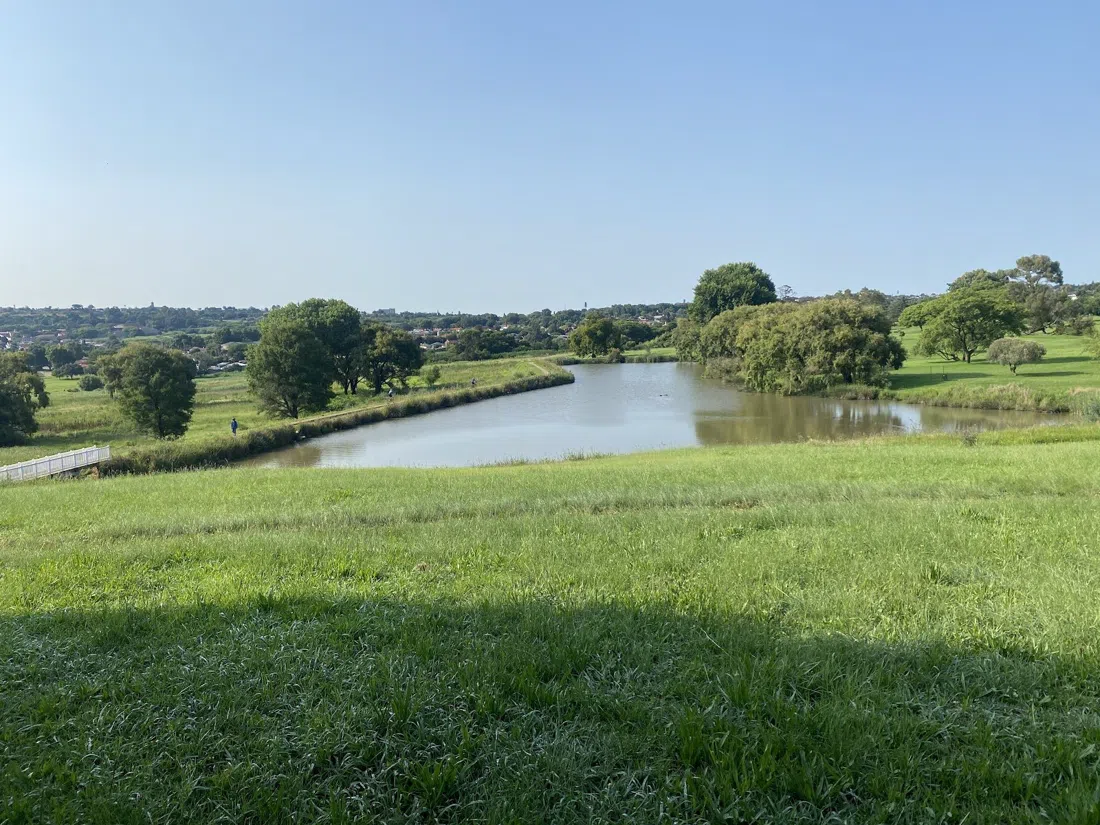
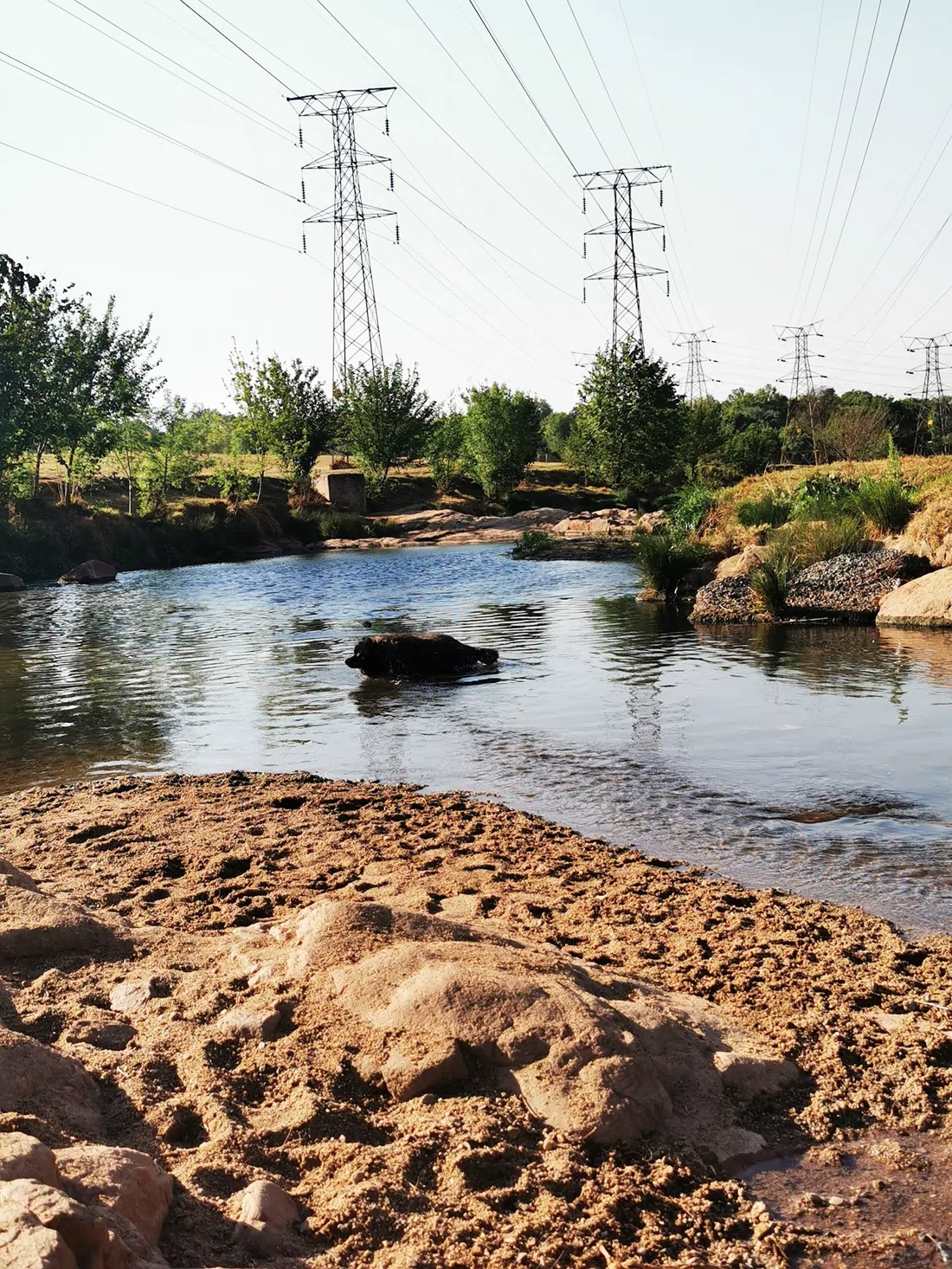
The thread that ties the northern green belt together is the Braamfontein Spruit Trail, mapped and maintained in part by the volunteer group Jozi Trails. It's how locals actually connect Delta Park, the Botanical Garden and Alberts Farm on foot or by bike, rather than treating them as three separate outings on three separate days. It's open and free, but the quieter, more isolated stretches are better tackled with a small group or a running club than solo — worth taking as a genuine planning note rather than boilerplate caution, particularly on the sections furthest from road crossings.
Most of this sits within a 20-minute drive of the northern suburbs, which is also where most visitors base themselves. The Johannesburg guide has the wider lay of the city, and the Johannesburg hotel search is the place to start for a base near Melville, Parkview or Melrose — all reasonable anchors for this kind of itinerary.
Getting There, Cash, Timing and Budget
Johannesburg isn't a walking city between neighbourhoods — these ridges and parks are spread across the northern and southern suburbs, and you'll need a car, a rideshare app (Uber and Bolt both operate reliably) or a private driver to move between them. Nothing on this list is realistically reachable on foot from the CBD, and treating any two of them as a walkable pair will waste half a day.
Carry some cash for guided tours and smaller entry fees — Melville Koppies' donation and Kloofendal's shoot bookings are the kind of amounts where a card machine isn't guaranteed. Walter Sisulu's R100 entry and Zoo Lake's boat hire both take cards without issue.
Go in daylight, and go earlier rather than later. Most of these reserves close at sunset, and a few — The Wilds and Modderfontein among them — are better visited in a group than alone, a safety note rather than a formality. Spring, September to November, is the strongest season for wildflowers at Kloofendal and for general greenery across the list; winter, June to August, gives the clearest long views from the ridges, since the highveld dry season strips the haze out of the air, even if the grass itself turns straw-coloured.
A day covering two or three of these costs next to nothing. Most entries are free, Walter Sisulu's R100 is the highest single fee here, and the real cost is transport rather than admission — budget for a driver or a run of Uber trips rather than tickets, and leave the biggest gap in the schedule for whichever ridge you pick, since none of them reward being rushed.