
Forty-five minutes past Johannesburg's northern suburbs, the highway drops out of traffic and into a landscape of dolomite ridges and pale winter grass that looks unremarkable until you know what's underneath it. This is the Cradle of Humankind, a UNESCO World Heritage Site that has produced more hominid fossils than almost anywhere else on earth, and a single well-planned day here takes you from the visitor centre that explains why any of it matters down into the actual limestone cave where the digging is still happening.
Start at Maropeng, Not the Caves
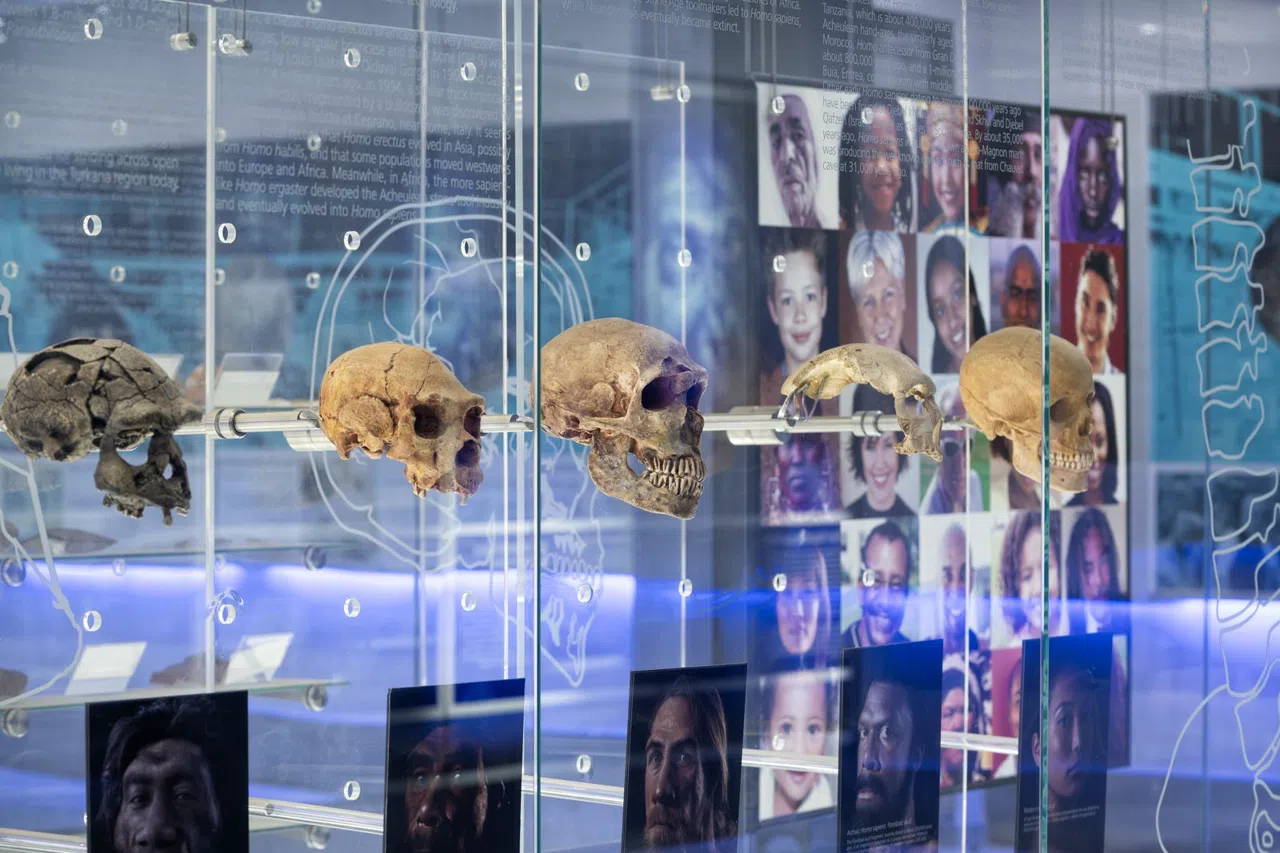
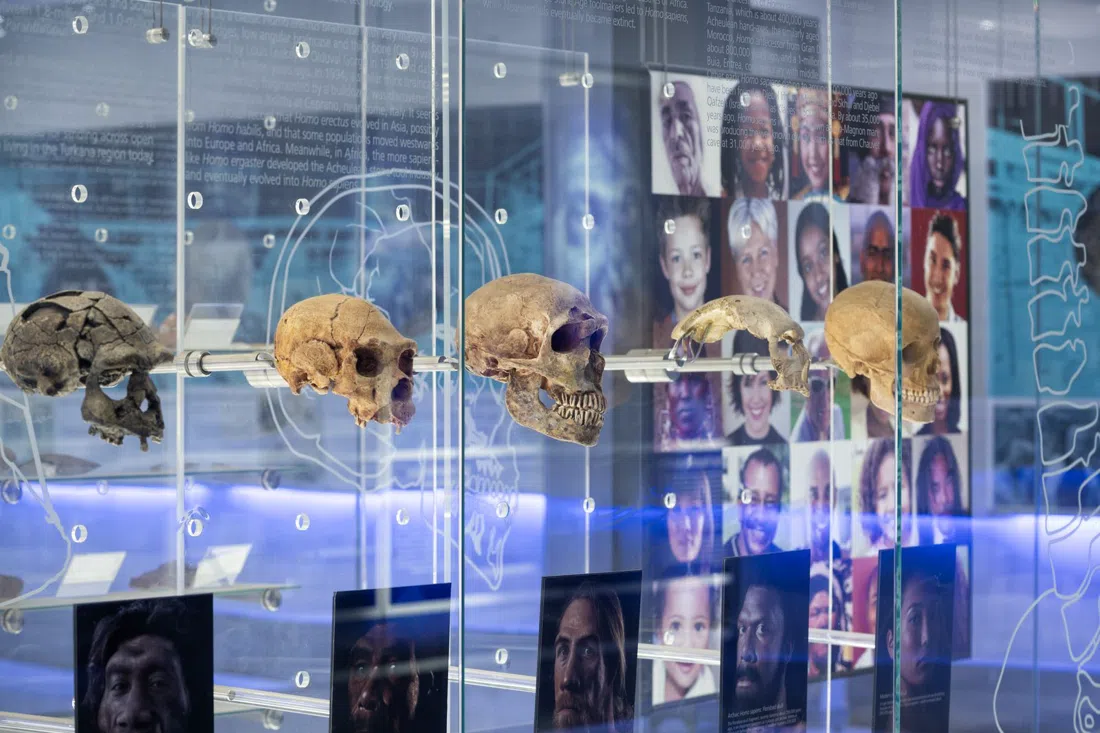
Most first-timers want to head straight underground. Resist it. Maropeng Visitor Centre (Maropeng) is the official UNESCO-designated gateway to the fossil sites, and it exists specifically to give visitors the four-million-year version of the story before they're standing in a cave trying to work out what a stalactite has to do with Australopithecus. The centre was built for coach groups — the exhibition halls are wide, the flow is one-directional, and a boat ride through an underground "elements" exhibit, which is wheelchair-accessible, walks visitors through fire, water, earth and air before reaching the fossil displays proper. Entry runs roughly R170-R230 per person, with pre-booked group rates and guided options available, which matters if you're organising a coach party or a corporate outing rather than a couple with a rental car. Budget ninety minutes to two hours here, more if your group wants to work through every exhibit rather than skim.
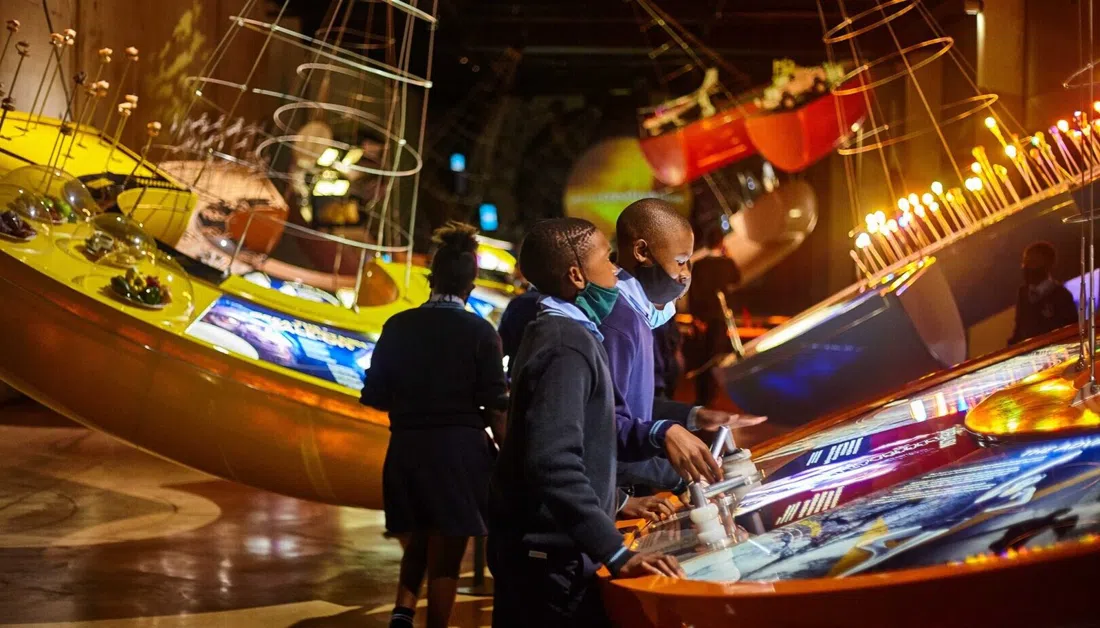
Skipping Maropeng and heading straight to Sterkfontein is the single most common mistake day-trippers make. You end up looking at a hole in a hillside with no framework for why it's globally significant, and the guides at the cave move fast — they assume you already know roughly what you're looking at. Maropeng is where that grounding happens, and it's designed to be the first stop on the loop rather than an optional add-on.
Into the Rock: Sterkfontein and Bothongo Wonder Cave
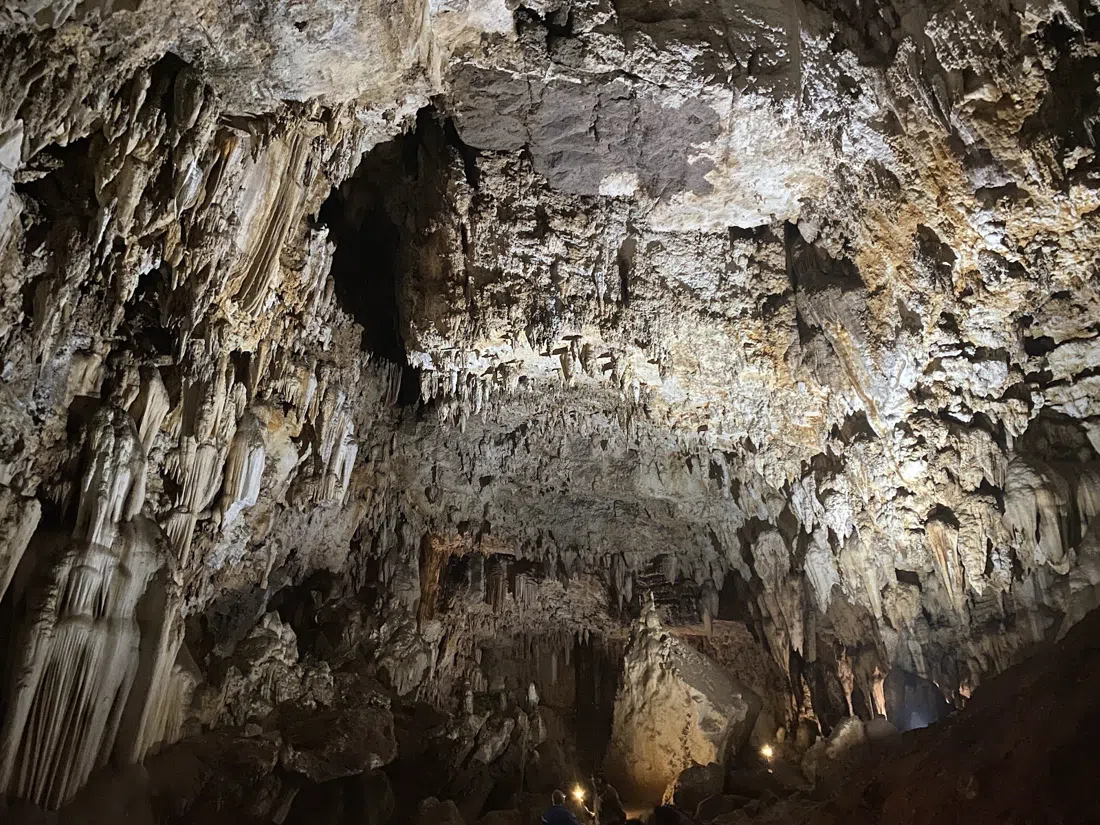
Sterkfontein Caves (Sterkfontein) is the reason the Cradle of Humankind exists as a heritage site at all. It's run by Wits University rather than a private tourism operator, and it is a working excavation, not a preserved museum piece — the actual site that produced "Little Foot," the most complete Australopithecus skeleton ever found, and one that's still being studied. Tours run hourly and are capped at around thirty people, and the cave floor is uneven, sometimes wet, and occasionally slippery near the entrance chambers, so this isn't a stop for stilettos or flip-flops. Expect roughly R220-R260 per person. The cave is closed on Mondays, which trips up more visitors than it should when they're planning a long weekend around it, and on weekends and public holidays the hourly slots fill — book ahead rather than arriving and hoping for space on the next tour. Groups are genuinely welcome here; this isn't a site built around exclusivity, it's built around education, and the guides, several of them Wits-trained postgraduates, treat a school group and a honeymooning couple with the same seriousness.
If you want a second cave, and one that's more visually dramatic than scientifically important, Bothongo Wonder Cave (Kromdraai) is close by and offers both day and night tour slots — the night tours, lit differently, show off the dripstone formations better than the standard daytime walk does. It runs roughly R150-R200 per person, and for groups with an adventurous streak there's an optional eighteen-metre abseil add-on that Sterkfontein simply doesn't offer. The honest comparison for anyone deciding between the two, or weighing whether to do both: Sterkfontein is where you go for the science and the history, Wonder Cave is where you go for the spectacle and, if you want it, the adrenaline. Doing both back to back is possible but makes for a long underground morning — plan for it deliberately if that's the pairing you want, rather than assuming you can slot Wonder Cave in as an afterthought once Sterkfontein overruns.
The Safari-Plus-Science Option
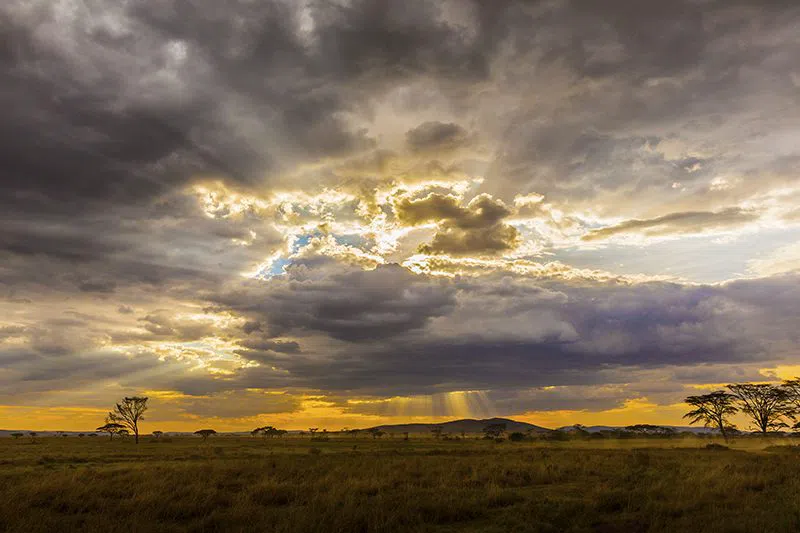
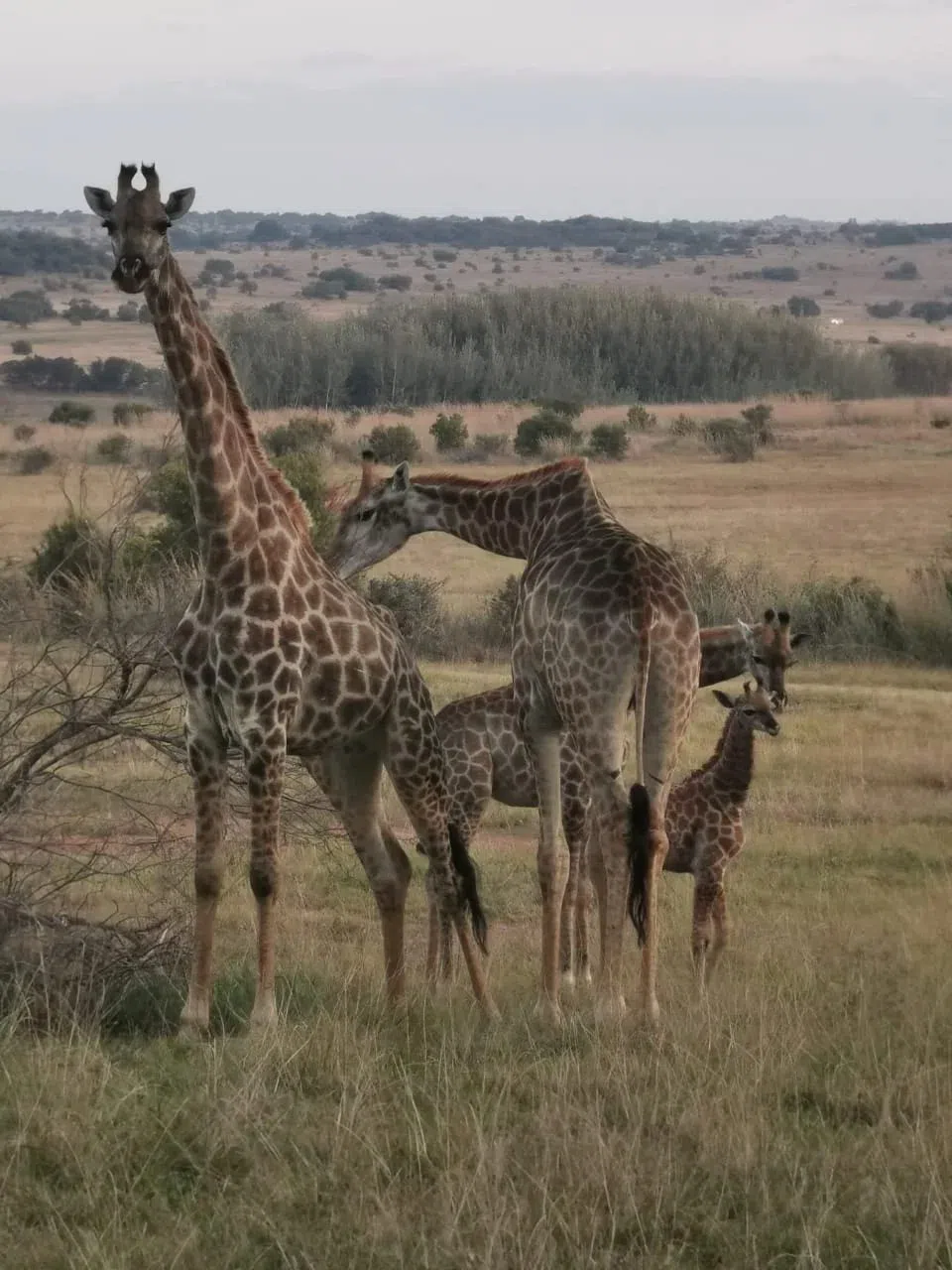
If your group wants fossils in the morning and big game in the afternoon, the Cradle region delivers both without a second long drive back into the city and out again. Bothongo Rhino & Lion Nature Reserve (Kromdraai) sits close to the fossil sites and runs both self-drive and open-vehicle group safaris — the open-vehicle option is the better call for larger parties who'd rather have a guide narrating than a driver navigating and narrating at once. Expect roughly R200-R350 per person. It won't replace a proper multi-day safari further afield, and it shouldn't be marketed to guests as if it will, but as a bolt-on to a fossil-focused day it broadens the trip considerably, and it's a reliable option for families whose children have had enough of caves and dim lighting by early afternoon.
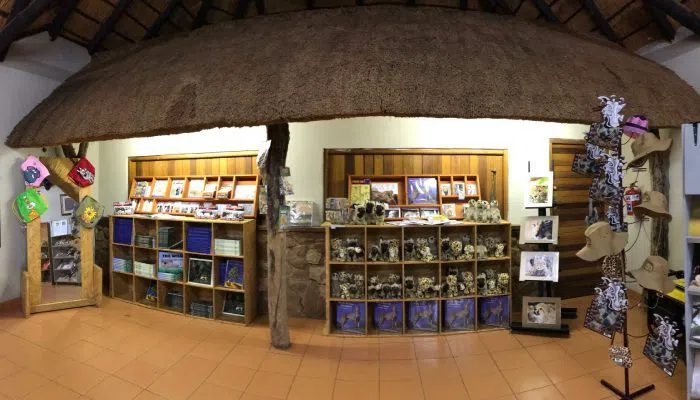
A further detour, best treated as its own deliberate half-day rather than a quick add-on, is the Ann van Dyk Cheetah Centre (De Wildt), out toward Hartbeespoort. This is the world's longest-running captive cheetah breeding programme, and the conservation credentials here are real rather than marketing copy — the centre has been central to South Africa's cheetah genetic-diversity work since the 1970s, long before captive breeding for conservation was fashionable. Daily guided tours run around R450-R650 per person, and groups are welcome, but the standard tour excludes under-6s; if you're travelling with young children, ask specifically for the shorter, family-oriented tour rather than assuming the standard programme will accommodate them, because it won't. It's a thirty-to-forty-minute drive from the main Cradle cluster, which makes it a genuine stretch to combine with everything else on this list in a single day. Most visitors either build their whole day around the cheetah centre and skip a second cave, or treat it as a separate excursion entirely.
Lunch on the Loop
The Cradle region doesn't skimp on the sit-down meal, which matters on a day that otherwise involves a lot of standing in caves, walking exhibition halls, and being jostled around in open safari vehicles. The Cradle Restaurant (Kromdraai) is the standout: it seats 180, takes private dining bookings for larger parties, and pairs plating that would not look out of place in a far more expensive city restaurant with a serious South African wine list and a view over the valley that makes the R220-R450 mains feel fairly priced rather than a tourist markup dressed up in a nice room. Book ahead if you're arriving as a group of six or more, particularly on weekends — this is a working restaurant with a genuine local following that happens to sit inside a heritage site, not a captive-audience tourist stop with no other custom.
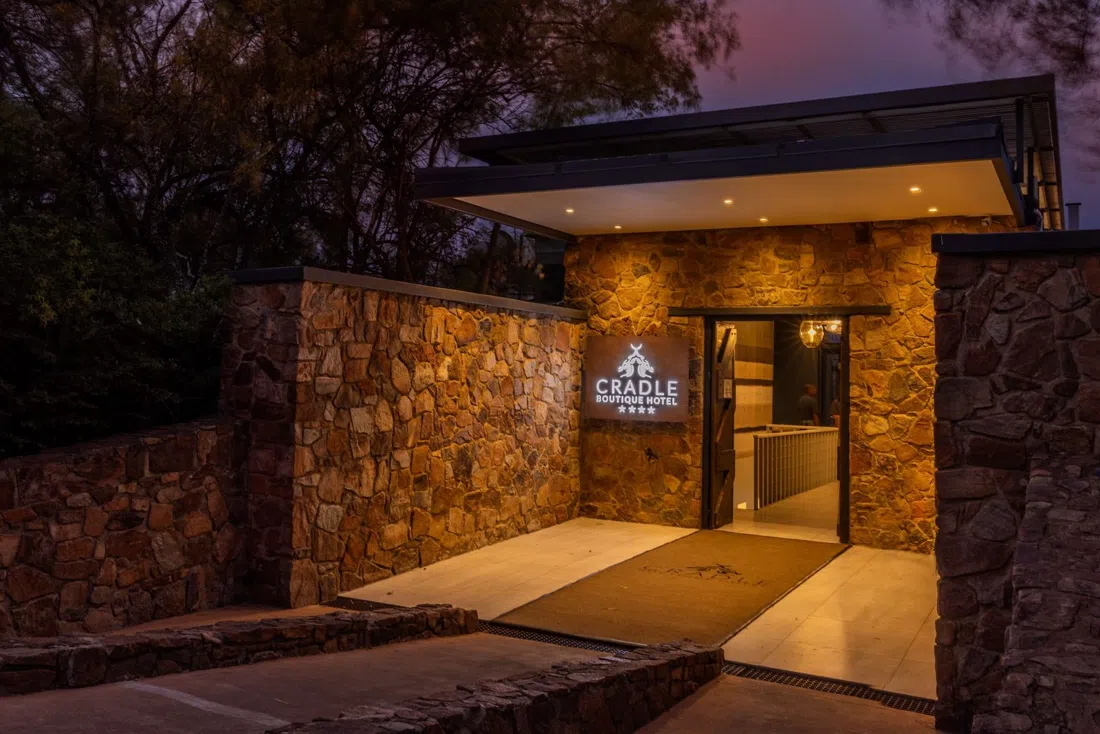
If you'd rather extend the day around water and a slower pace, Cradle Moon Lakeside Game Lodge (Muldersdrift) runs day-visitor and group lunch packages on its lakeside grounds, with day rates around R150-R300 per person and dinner available separately for anyone staying into the evening. It's a good half-day-plus-lunch base for a party that wants to linger rather than tick off every site on a schedule — less structured than The Cradle Restaurant's fixed-service model, and better suited to an afternoon that's allowed to drift.
Closing the Day: Culture, Craft and Quiet
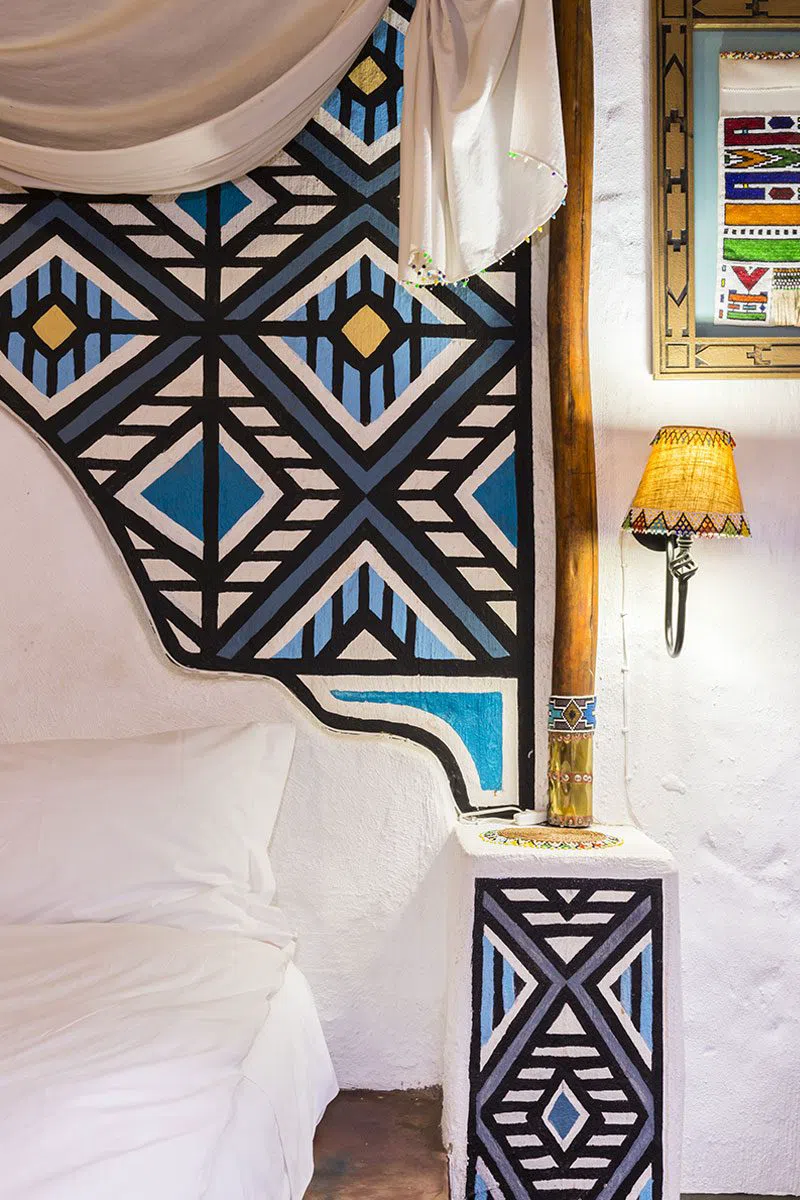
The deep-time story the Cradle tells doesn't stop four million years ago — it runs straight through to the living cultures of Southern Africa, and Lesedi Cultural Village (Broederstroom) exists specifically to make that connection explicit. It's purpose-built for coach groups, with fixed two-hour programmes at 11:30 and 16:30 that combine performance, craft demonstration and a shared meal, priced around R650-R850 including food. Because the programme runs on a fixed schedule rather than on demand, it's worth building the rest of your day's timing around one of those two slots rather than trying to fit it in loosely at the end — arrive too late for the 11:30 sitting and you'll be waiting nearly five hours for the next one, which can unravel an otherwise well-paced itinerary.
For a Sunday specifically, Heia Safari Ranch (Muldersdrift) runs a lunch-and-dance show that's become a fixture for coach and corporate groups — if that show is the draw, build the whole day around a Sunday visit, since it doesn't run on any other day of the week. Expect R580-R750 per person. It's a broader, louder experience than Lesedi's more intimate programme, and the two aren't really substitutes for each other so much as different registers of the same underlying idea — one intimate and craft-focused, the other a bigger production built for a crowd.
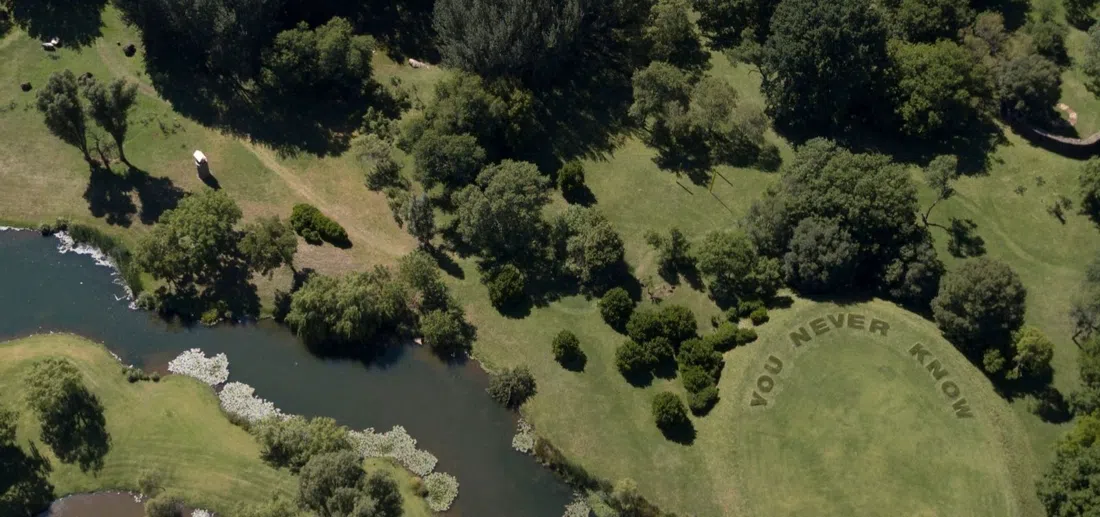
For something quieter and considerably less touristy than either, NIROX Sculpture Park (Kromdraai) is the Cradle's genuinely under-visited stop, in the honest sense rather than the marketing one. It only opens on exhibition weekends and public holidays, so it cannot be slotted casually into a weekday loop — call ahead before you plan around it, because arriving on the wrong day means a locked gate and nothing to see. When it is open, entry varies by exhibition and is often free to R100, and private group visits can be arranged outside the usual open dates. Large-scale contemporary sculpture set against dolomite outcrops and open grassland is a genuinely unusual way to end a day that started with four-million-year-old bone fragments — the two are more connected than they first appear, both being, in their own ways, about how humans mark time and place on a landscape.
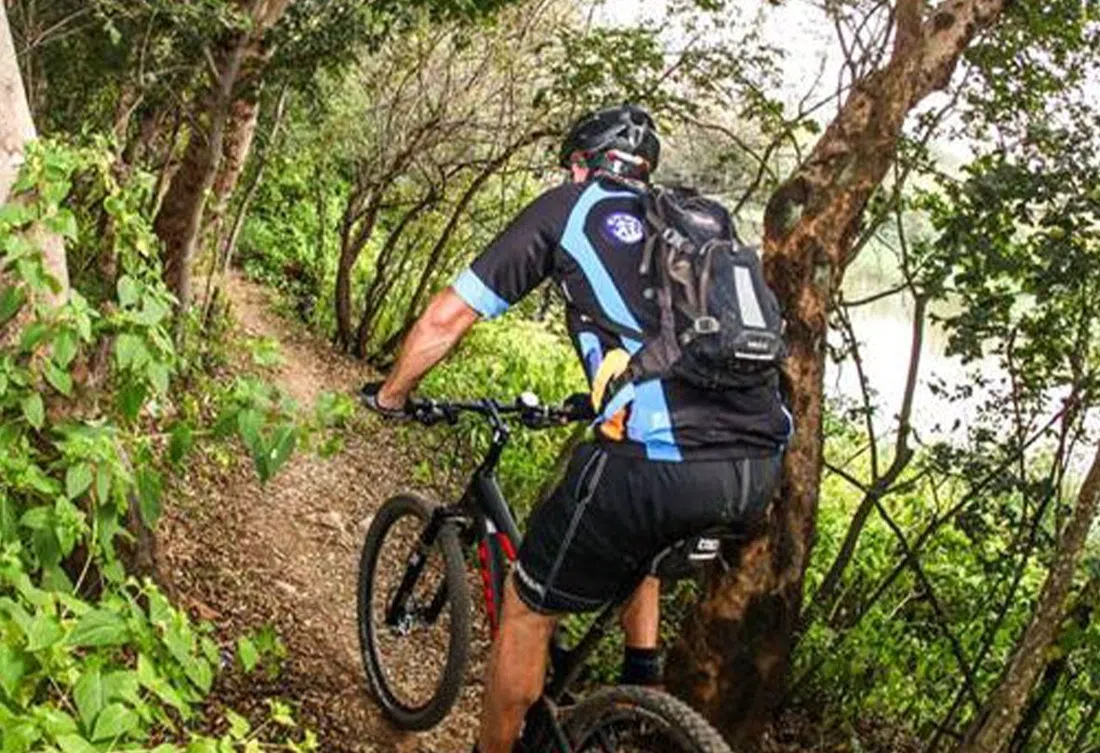
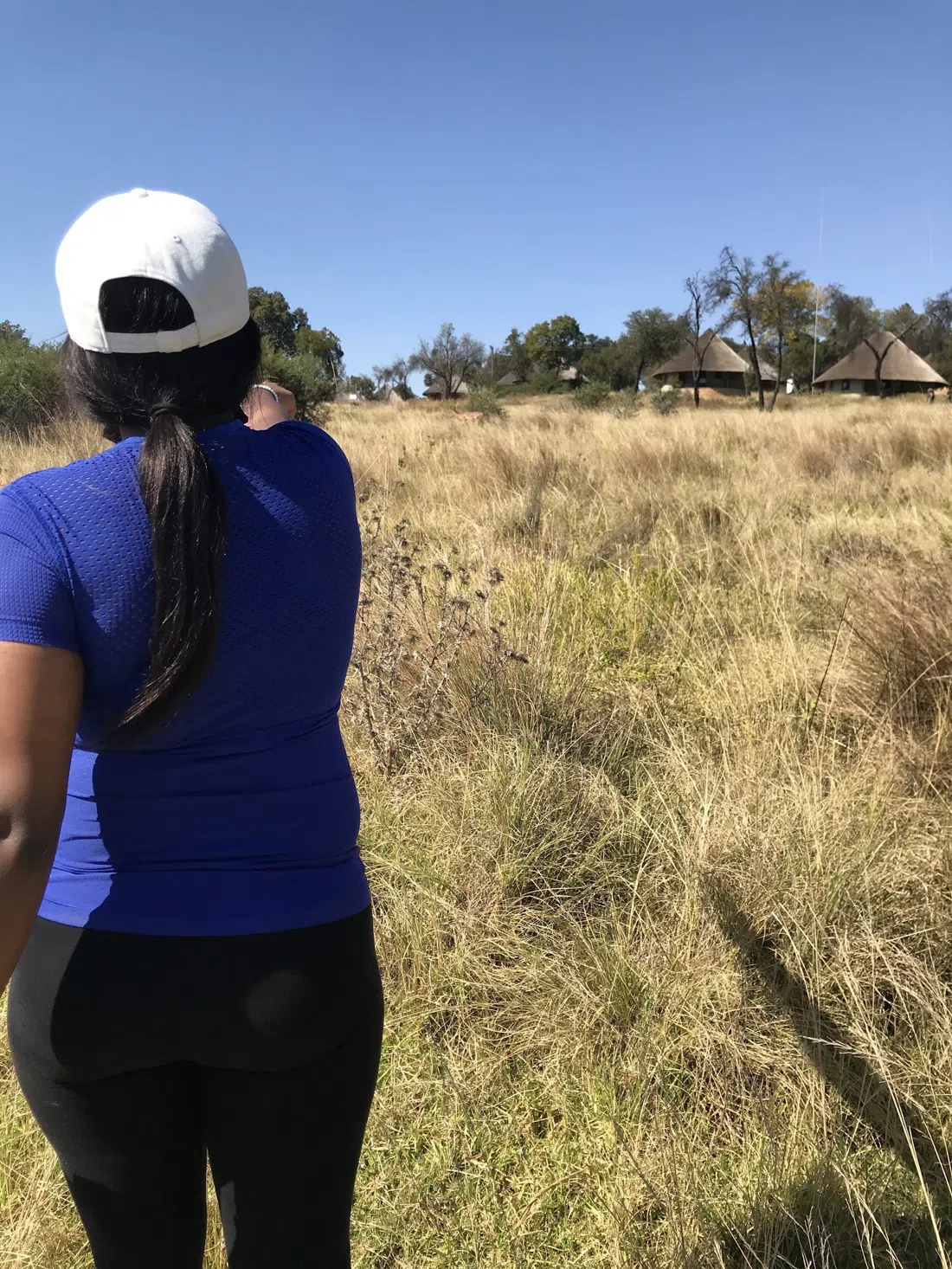
Groups after something more physical than sightseeing should look at Segwati Getaways Ranch (Broederstroom), a low-key game farm built around picnics, braais and outdoor activity rather than guided tours or fixed programmes — expect R150-R400 depending on what's booked. It's the option for a party that wants to move around, eat outdoors, and skip the structured-programme feel of Lesedi or Heia Safari Ranch without giving up the countryside setting.
Practical Notes
Getting there. The Cradle of Humankind sites sit roughly forty-five minutes to an hour northwest of central Johannesburg, depending on traffic and which specific site you're heading to first. Maropeng, Sterkfontein and Bothongo Wonder Cave cluster fairly close together, while Ann van Dyk Cheetah Centre and Lesedi Cultural Village sit further out toward Hartbeespoort and Broederstroom respectively. There's no useful public transport link connecting these sites; a rental car, a private driver, or a pre-organised group tour vehicle is the only realistic way to string more than one stop together in a single day. Roads between sites are mostly sealed but narrow and winding in places — don't rush between stops, and build in more transfer time than a map suggests.
Cash and cards. Most of the larger venues on this loop, including Maropeng and Sterkfontein, take cards without issue, but smaller stops and roadside stalls along the route tend to be cash-only. Carry some rand in small denominations for tips and incidentals; card machines occasionally go down in this area because of patchy connectivity, and it's worth not relying on one being available at every single stop.
Timing. A realistic single day covers Maropeng, one cave — either Sterkfontein or Bothongo Wonder Cave — and a lunch stop. Trying to add the cheetah centre or a full safari drive on top of that same day usually means shortchanging something, most often the caves, where rushing defeats the point. If Lesedi or Heia Safari Ranch's show is on your list, build the day's schedule around their fixed times, 11:30 or 16:30 for Lesedi, Sunday only for Heia, rather than treating them as flexible add-ons at the end.
Budget. A day covering Maropeng, one cave and a sit-down lunch at The Cradle Restaurant runs roughly R650-R950 per person before transport. Add the cheetah centre or Lesedi's cultural programme and a fuller day comfortably reaches R1,200-R1,600 per person, before a private driver or vehicle hire.
For a base in the city itself before or after the trip, start with a Johannesburg hotel search, and for the rest of what the city has to offer beyond this one loop, the Johannesburg guide covers it.