The Johannesburg issue
Following Johannesburg's Shebeen Jazz From Sophiatown to Soweto
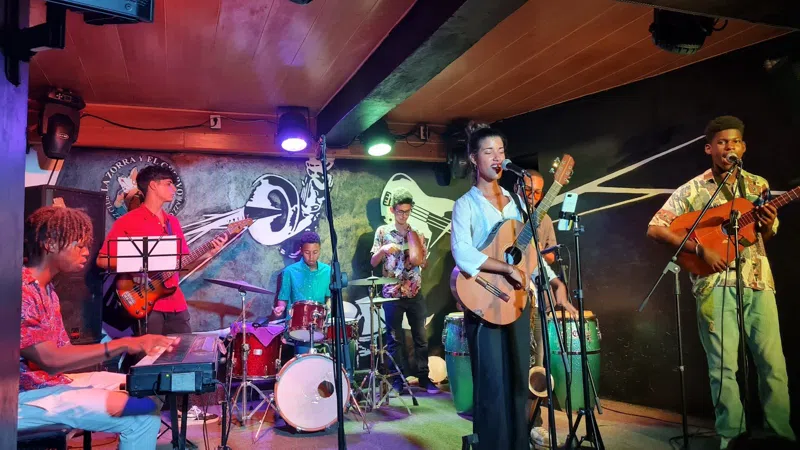
Fifteen rooms across Johannesburg still play the music that started in illegal backyard bars. Here is which night to go, what it costs, and which ones work for a group.
By Bram VerhoevenThe city read by its neighbourhoods
The jazz that made this city was never licensed. It began in backyards and front rooms where Black drinkers were legally barred from bars, on pianos with dead keys, for audiences who could be arrested simply for being in the room. Ninety years later the liquor laws are gone but the music has barely moved. It is still played in small rooms, still passed on by word of mouth, still best found on foot.
How a drinking den became a stage
Until 1962, Black South Africans could not legally buy or drink so-called European liquor. The shebeen filled the gap: an unlicensed house bar, usually run by a woman, usually a yard or a front room with a door that stayed shut. It sold home-brew and, later, smuggled bottles, and because it was already outside the law it had little reason to respect the curfew either. What grew inside was marabi, a rolling cyclic keyboard music built for people staying all night, cut with the American swing coming off imported records.
Sophiatown turned that into a scene. It was one of the few areas where Black families could hold freehold title, which made it crowded, mixed and loud, and it was demolished from 1955 with its residents moved out to Meadowlands. Hugh Masekela and Miriam Makeba came out of that world, and so did the working habit behind it: you play where there is a room and a piano, because a proper stage is rarely on offer.
That habit outlived apartheid, and it had to. The formal clubs meant to inherit the music mostly failed; Kippies, Bassline and Marabi have all closed. What is left is not a jazz quarter you can walk end to end. It is a scattering of separate rooms across forty kilometres of city, from Sophiatown to Soweto, and you plan around the night of the week rather than the map. None of them are secret, though several are not signposted.
Plan your Johannesburg trip
Live prices from our booking partners.
Free cancellation on many rooms. We may earn a commission when you book.
Sophiatown and Newtown, where the line is unbroken
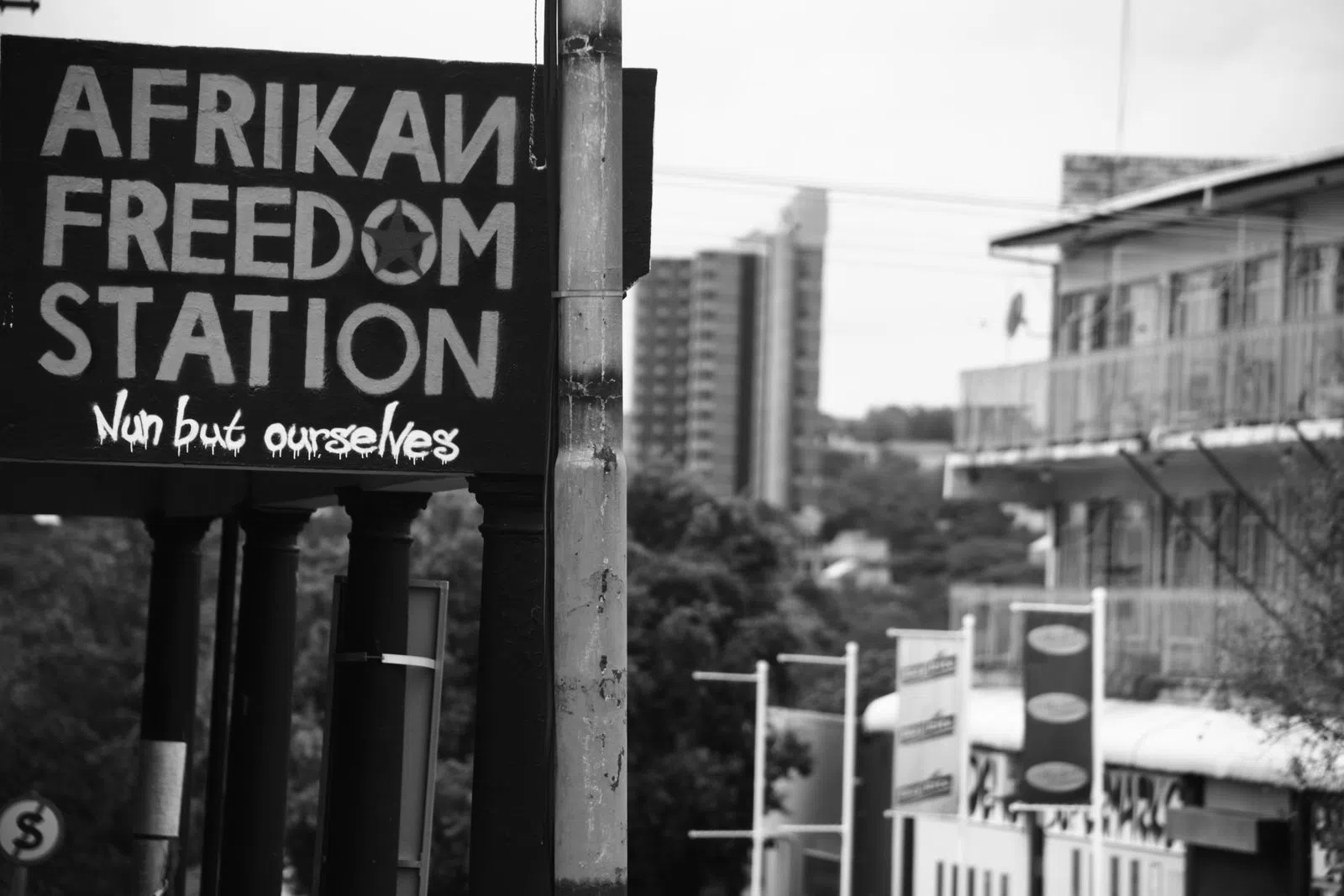
Afrikan Freedom Station (Sophiatown) is the closest thing in the city to the original arrangement. Steve Kwena Mokwena's art house and listening room reopened in 2024 in the neighbourhood where the whole story starts, and it is genuinely tiny: six people is a comfortable group, and anything larger should message ahead and expect to end up in the yard, which absorbs the overflow on big nights. The door is around R100 to R200 depending on the act, food and drink are cheap, and the programming is the least commercial in Johannesburg. Both Msaki and Nduduzo Makhathini played early rooms here. Come for the music rather than the comfort: hard chairs, no table service, and players who use the space to try things that are not finished yet.
Niki's Oasis Restaurant & Jazz Bar (Newtown) has done thirty-plus years in a precinct that buried three better-funded clubs within a few blocks of its door. The Sunday Jam is the honest inheritor of the shebeen session, open to anyone who turns up with a horn, and it is the busiest slot of the week, so call ahead rather than arriving hopeful. Long tables mean it handles groups better than almost anywhere else on this list, mains run roughly R120 to R220, and most band nights carry a modest cover or none at all. Two people who want to hear rather than talk should ask for a table near the band and eat early.
The two rooms you have to look for
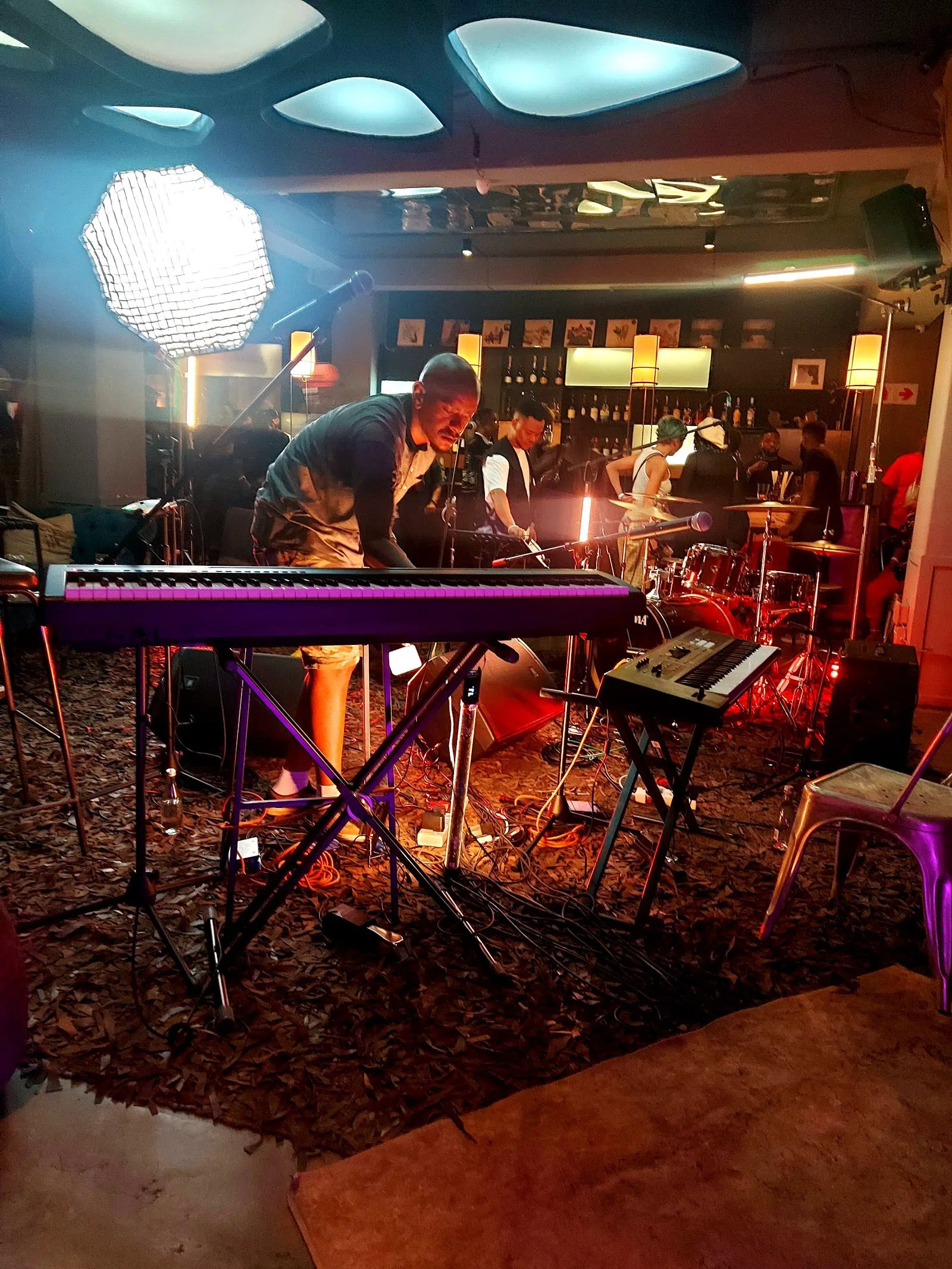
Untitled Basement (Braamfontein) is unmarked and underground, an inheritance rather than an affectation. Its last-Tuesday session, That Tuesday Funk, is what rebuilt the city's jazz community after lockdown, and Nduduzo Makhathini chose the room for his Johannesburg Ongoing Rehearsal. Tickets for headline nights run about R150 to R350 and some sessions are free. Small groups are fine, but it fills fast, and on a busy night there is no real table service and nowhere to sit. Buy early, arrive early, and brief anyone in your party who was expecting a booth.
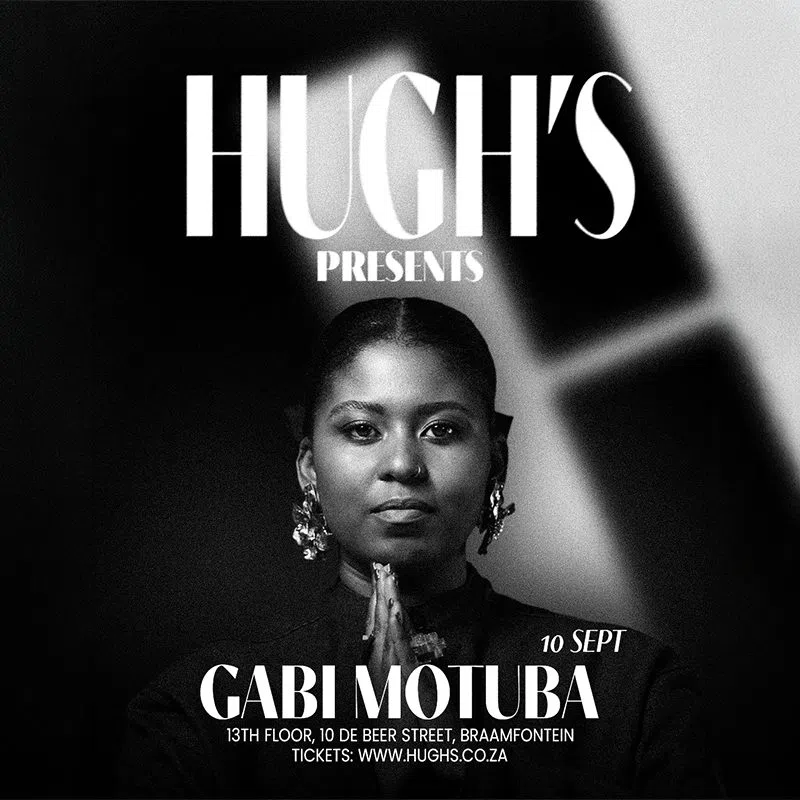
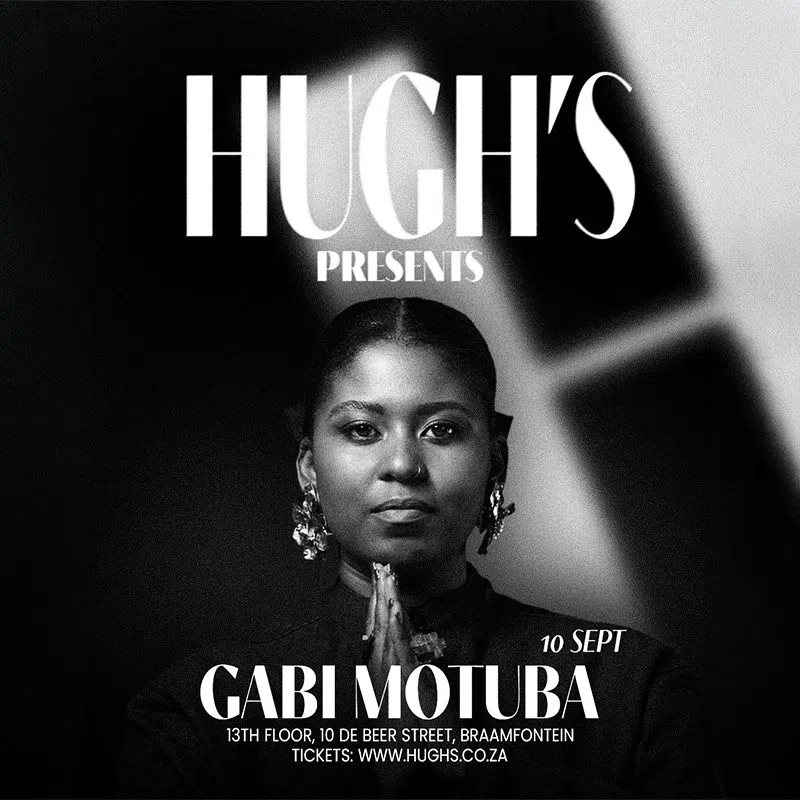
Hugh's opened in January 2026 with the Hugh Masekela Heritage Foundation, and a cut of every ticket goes back to it, which makes it the most direct link between the shebeen-jazz lineage and a proper modern club. Tickets go through Quicket from about R300, with tables of four to eight bookable in advance, and drinks and food are on top. The door is strict: 18 plus with ID, smart dress, no sportswear or flip-flops. Brief a group before you arrive rather than arguing it on the pavement. It opens on show nights only, so check the calendar and the address on the ticket page before you build a trip around it.
Wednesdays in the cocktail bars
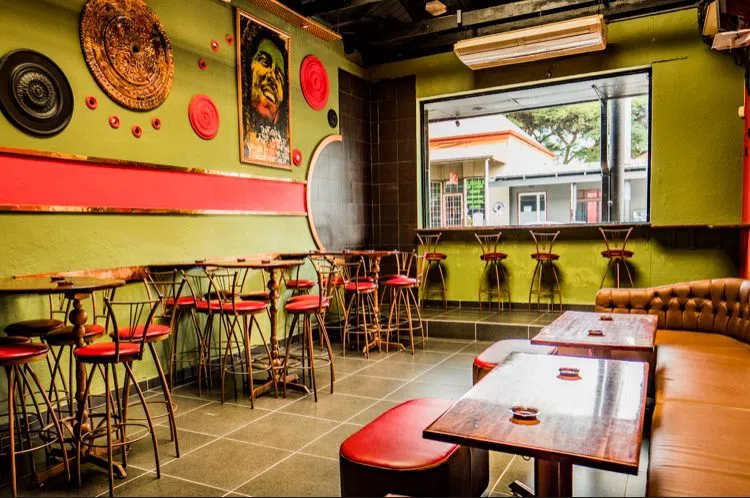
Six Cocktail Bar runs the most useful weeknight in the city. Marcus Wyatt's Wednesday jam pulls serious South African players into a room roughly the size of a front room, entry is free, and no door policy works against groups, though the space does that filtering for them. Book a table if you are more than four or plan to stand. Happy hour is two-for-one from 12:00 to 19:00. The economics are the shebeen's exactly: the music is free and the drinks pay for it, which is worth remembering when you order.
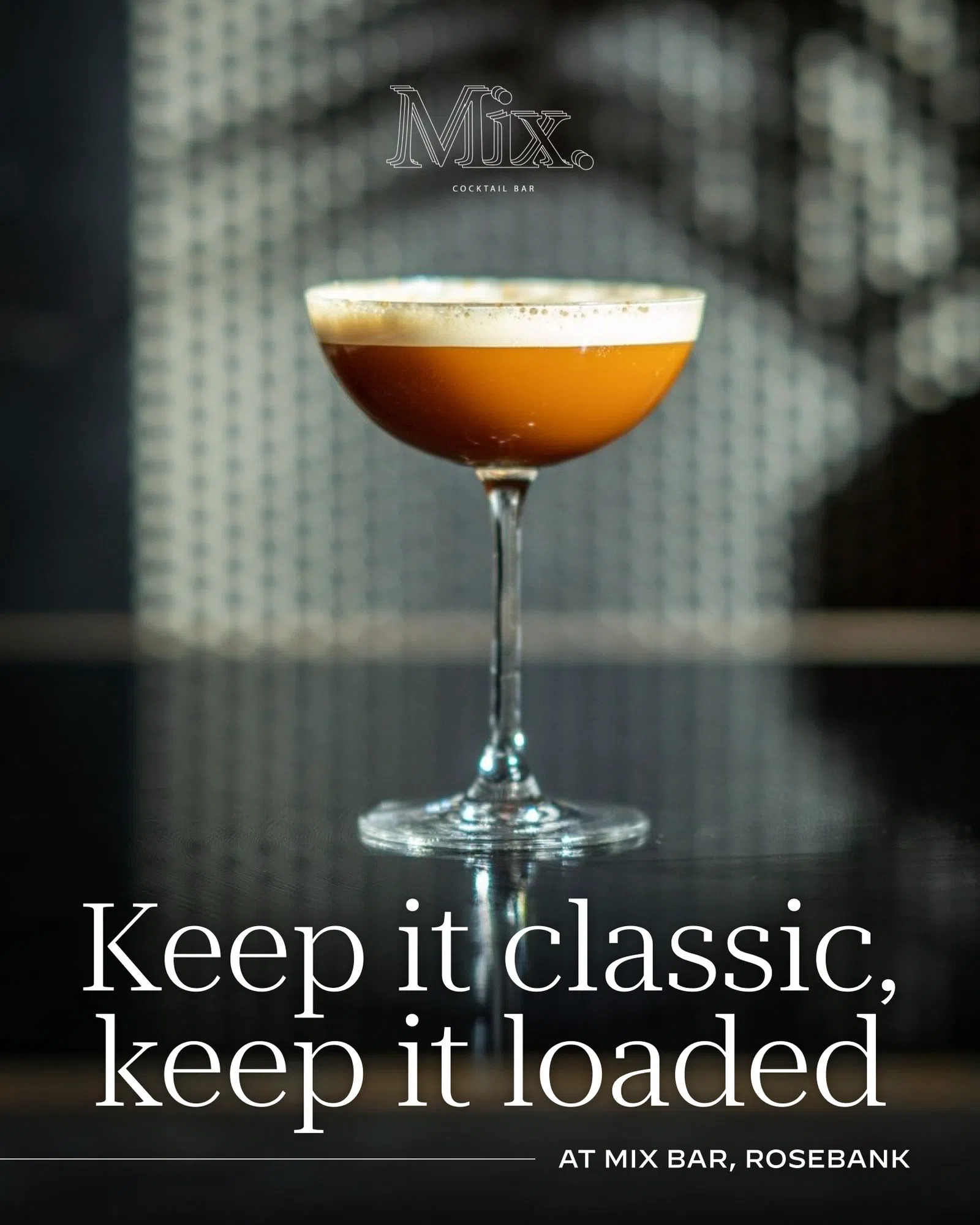
Mix Cocktail Bar (Rosebank) is the same tradition with air conditioning and a view. Casual Sax with the Kopano Jazz Collective runs on selected Wednesdays, not every week, so confirm the date before you commit a group to it. There is no cover, the cocktails and Jamaican-African plates are priced for Rosebank, and you should budget from R350 a head. It takes groups well and handles corporate bookings through MESH Club. Worth one entry as contrast rather than as the centre of the trip.
Orange Grove and the oldest bar in the city
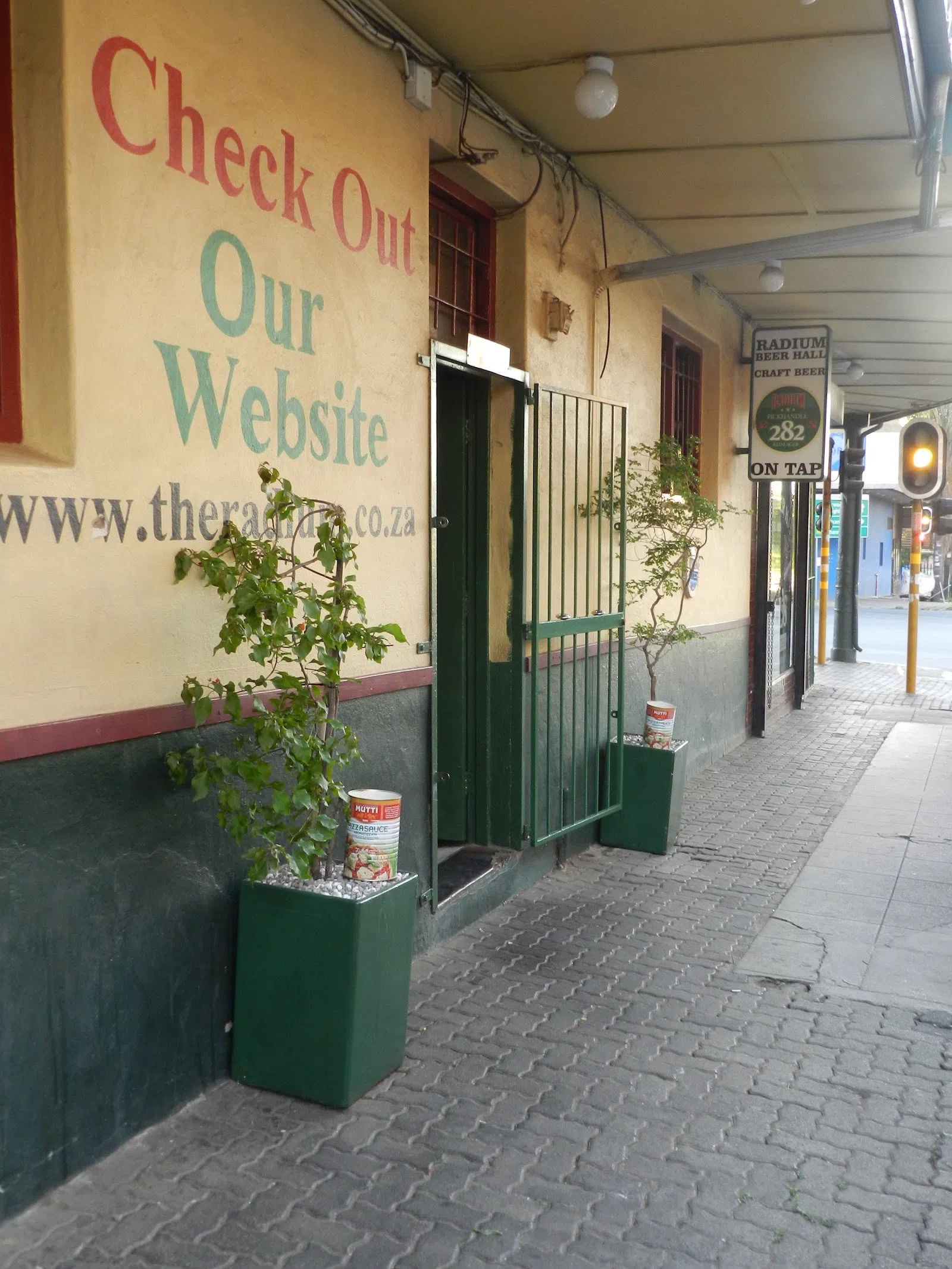
The Radium Beerhall (Orange Grove, on Louis Botha Avenue) is the single most literal stop on this route. It is Johannesburg's oldest surviving bar and it functioned as a shebeen during apartheid, selling to Black customers who were legally barred from drinking on the premises. It still runs live jazz and blues four nights a week, which no other bar in the city has sustained. Long communal tables make it the easiest room here for a large group, mains sit around R120 to R220, and some gig nights carry a small cover. Book for Friday and Saturday or you will not get a seat, and take the communal tables seriously: you will be sharing.
Sunday in the daylight
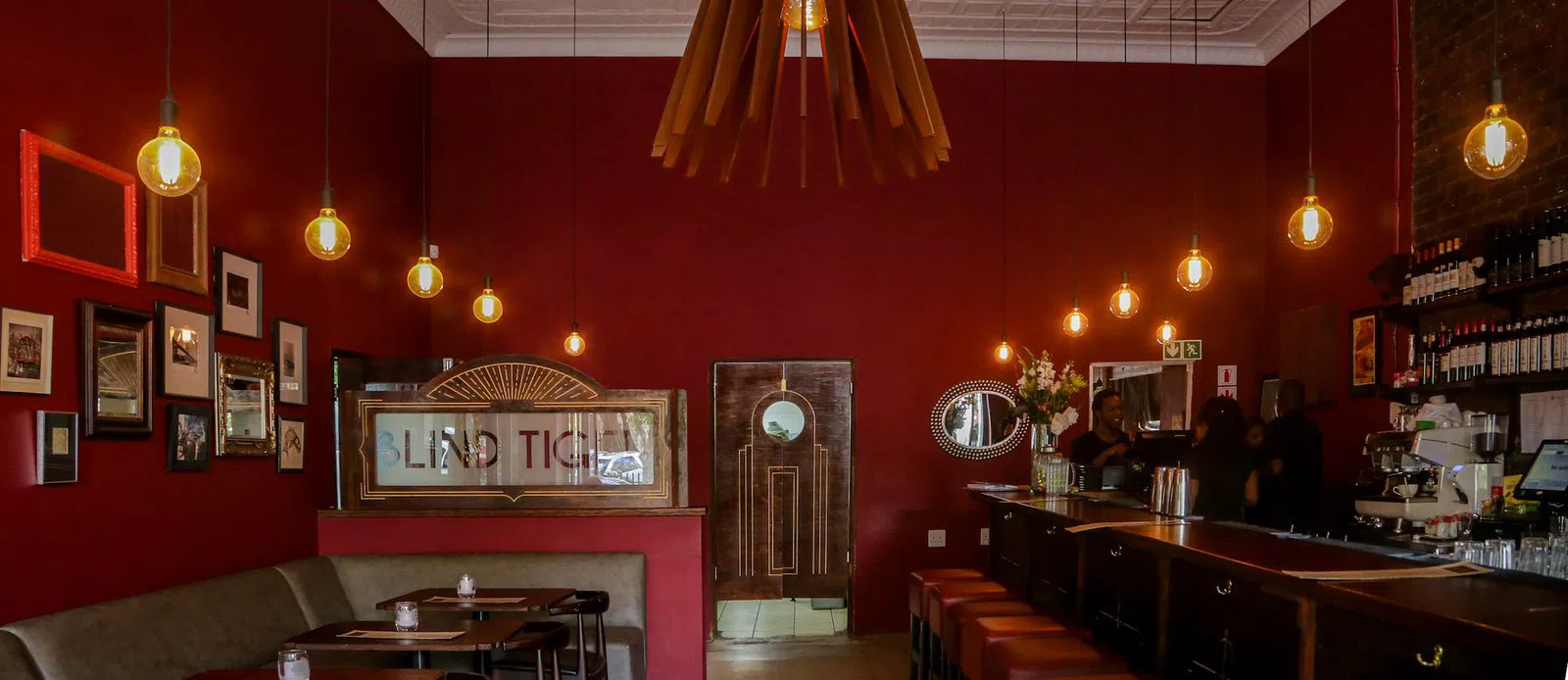
Blind Tiger Café is the easiest daylight entry point for anyone uneasy about unmarked night venues. Sunday Jazz in the Garden runs from midday to 6pm with a rotating line-up, including the gypsy-jazz outfit Runaway Train Cult on the last Sunday of the month. There is no cover and food and drinks land between R100 and R250 a head. The outdoor space takes groups easily; book a table over WhatsApp, because it is heaving with locals by 13:00 and the shade goes first.
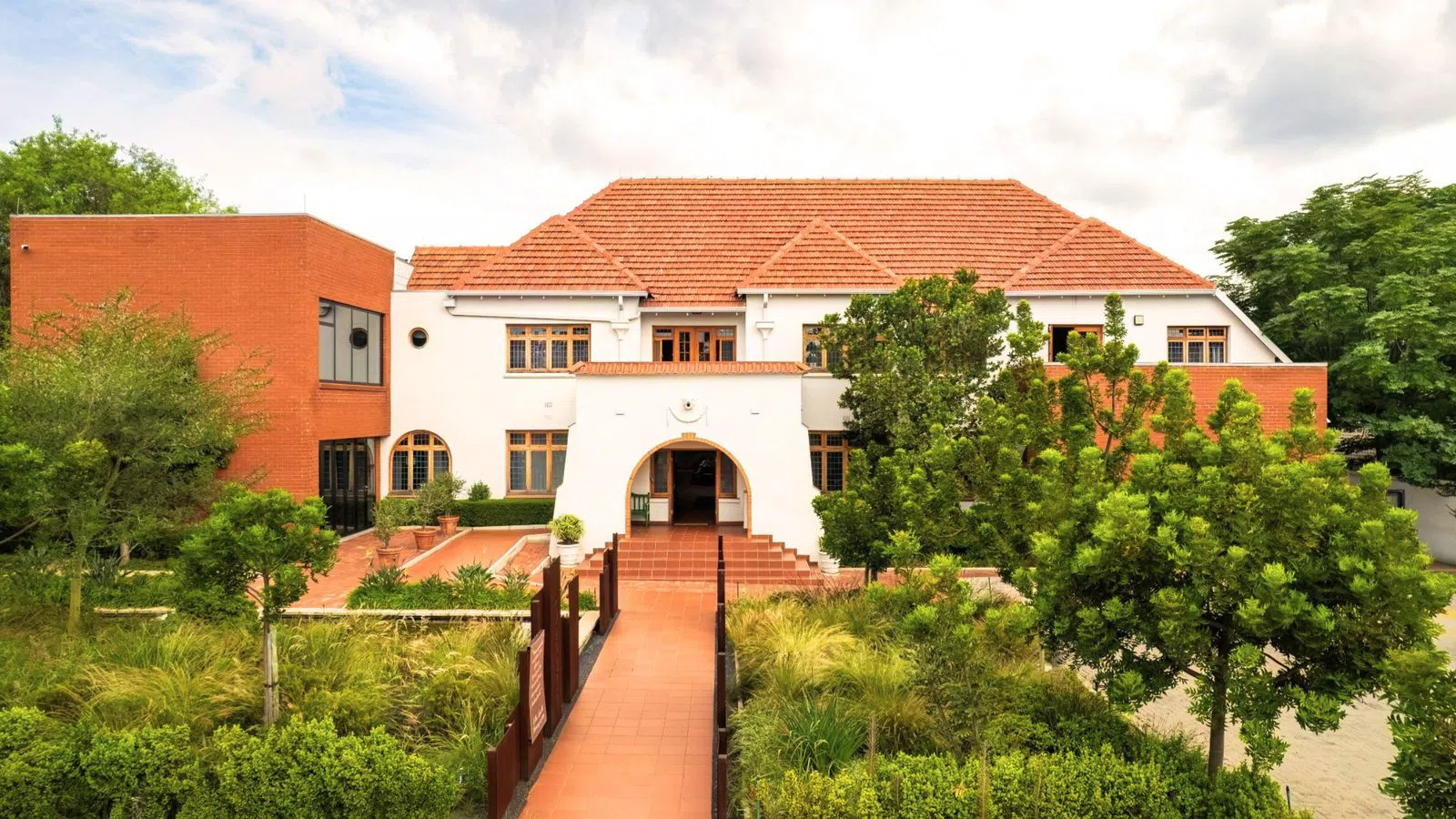
Sanctuary Mandela — Jazz Sundays (Houghton) is the polished end of the scene and the one you can book from abroad with confidence. It runs noon to 3pm every Sunday with a rotating cast of serious South African players, set seating and limited tickets that sell out. R300 gets you the music and a glass of bubbles at the bar; R600 includes a three-course lunch. Groups are seated together on request but must book well ahead. Treat it as the daytime counterweight to the late rooms rather than a substitute for them.
Soweto, where the form started
Sakhumzi Restaurant (Vilakazi Street, Orlando West) grew straight out of the family's shebeen and was the first restaurant on the street. The buffet is about R270 a person and the operation is built for volume, from tour coaches to team-builds and birthdays, so book for weekends. Be clear about what it is: weekends are DJ-led rather than a live jazz band. Come for the street, the food and the lineage, then go elsewhere for horns.
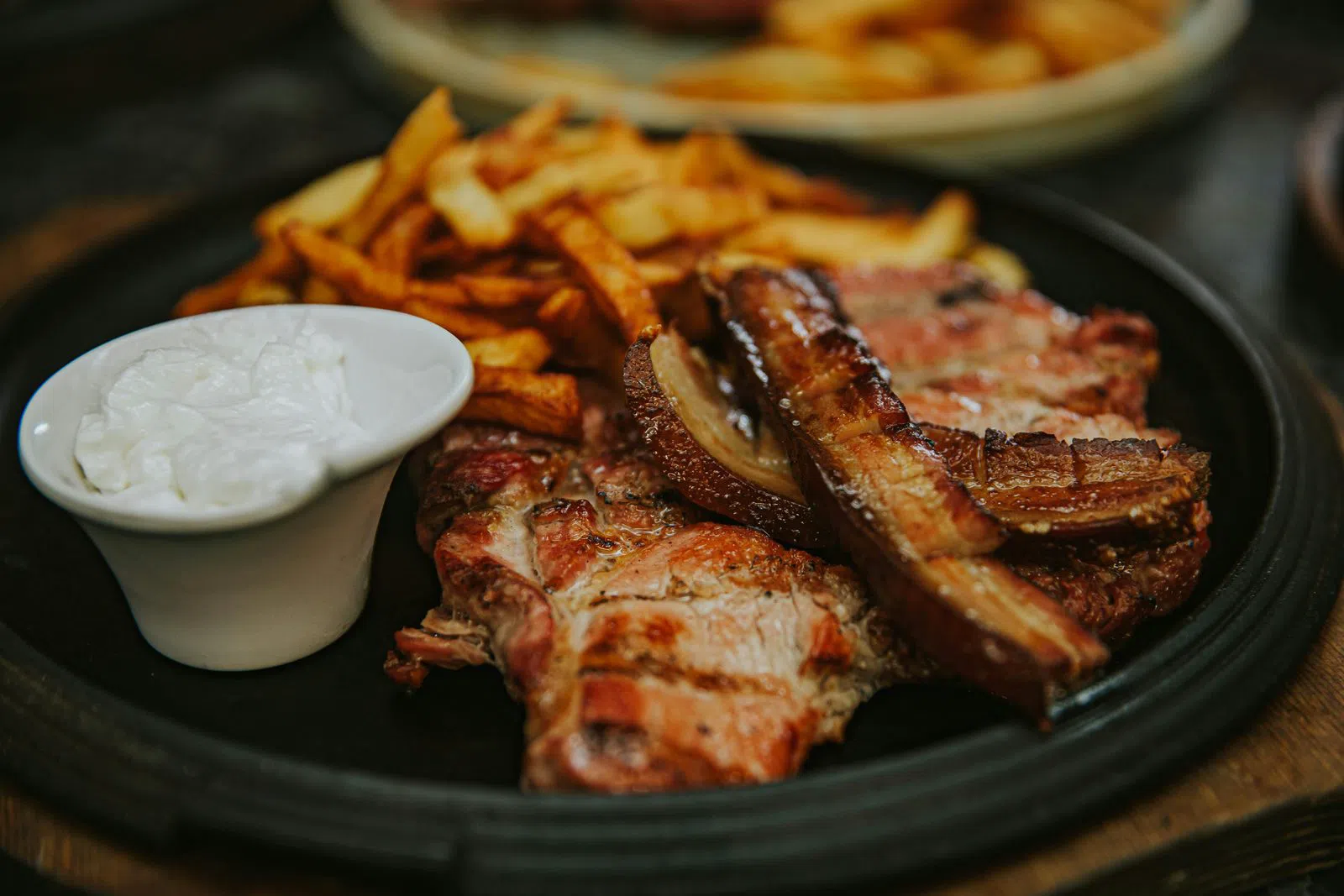
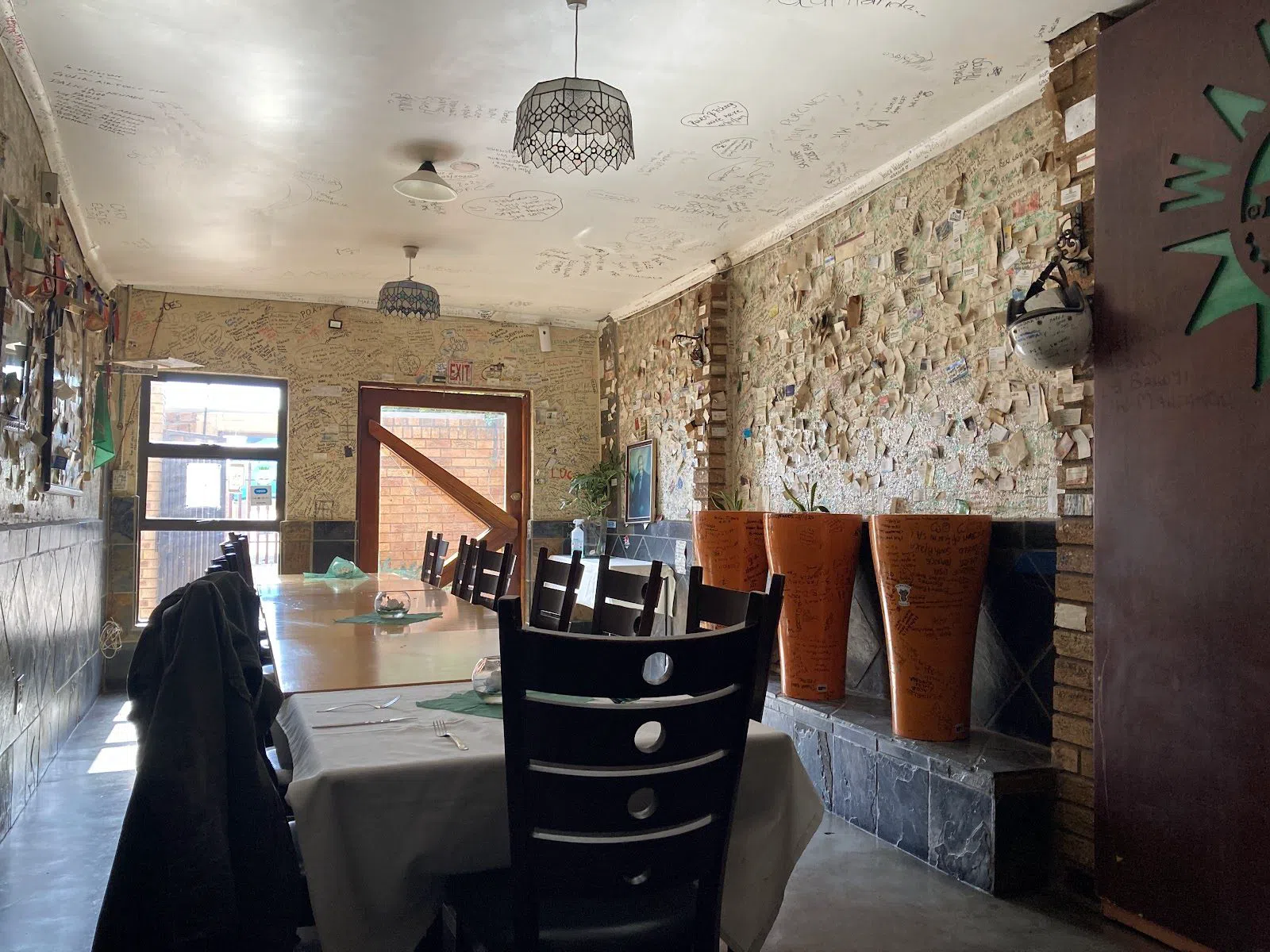
Wandie's Place (Dube) was an illegal shebeen before 1994 and is the archetype of the form; Richard Branson, Quincy Jones and Jesse Jackson have all eaten here. The buffet runs roughly R200 to R250 a head and handles large groups the way it has for decades. Live music is occasional rather than scheduled, so treat it as the historical anchor of a Soweto day and not a gig listing. Call ahead on +27 11 982 2796.
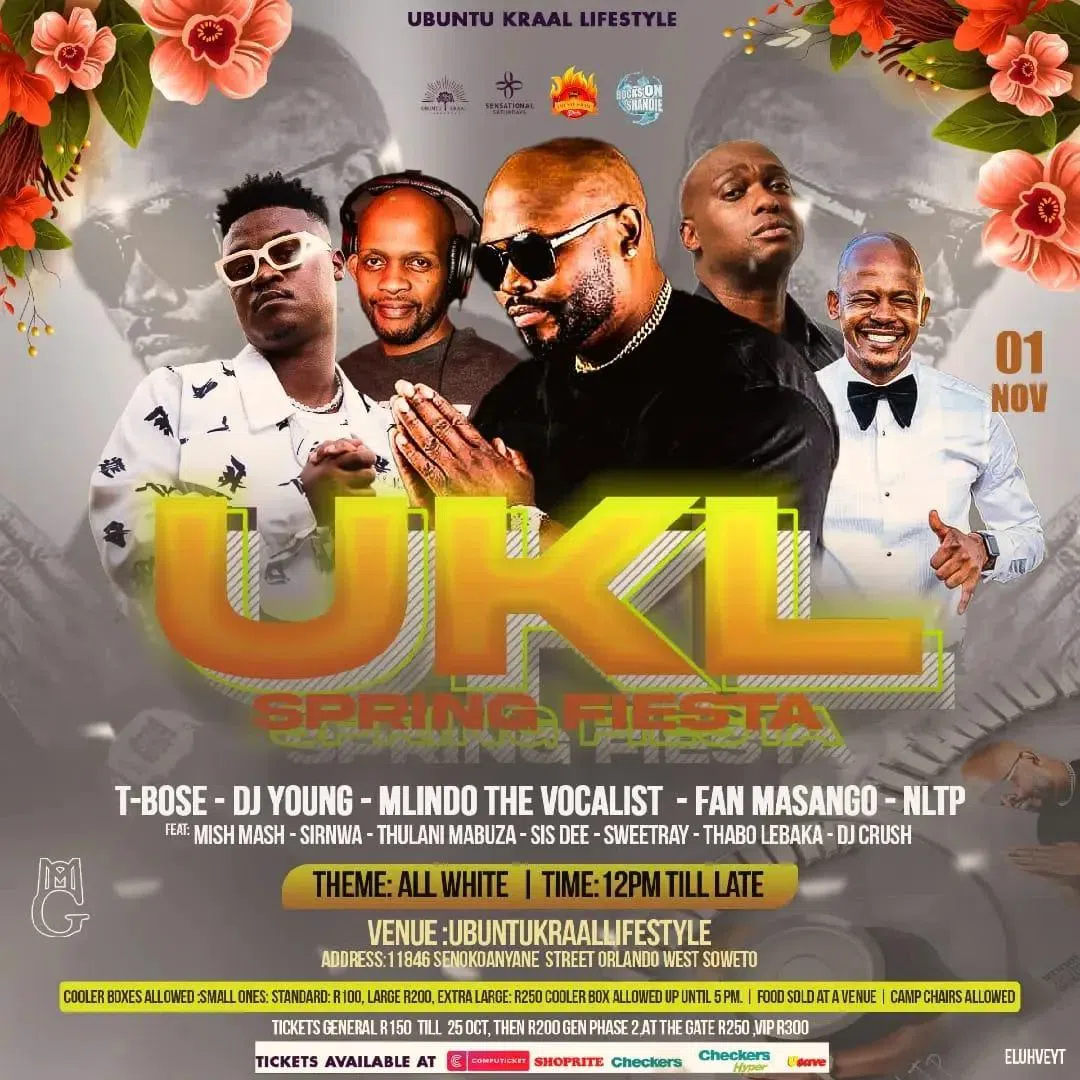
Ubuntu Kraal Lifestyle (Orlando West) is the scaled-up descendant: home-brew heritage turned licensed beer garden, with live music, comedy and brewery tastings, plus the Soweto Braai Festival on 26 September 2026. Ordinary days are free to enter, drinks are cheap and festival tickets vary. It is explicitly set up for functions, which makes it the reliable place to put a large group in Soweto after dark. Phone +27 11 051 5780 to book.
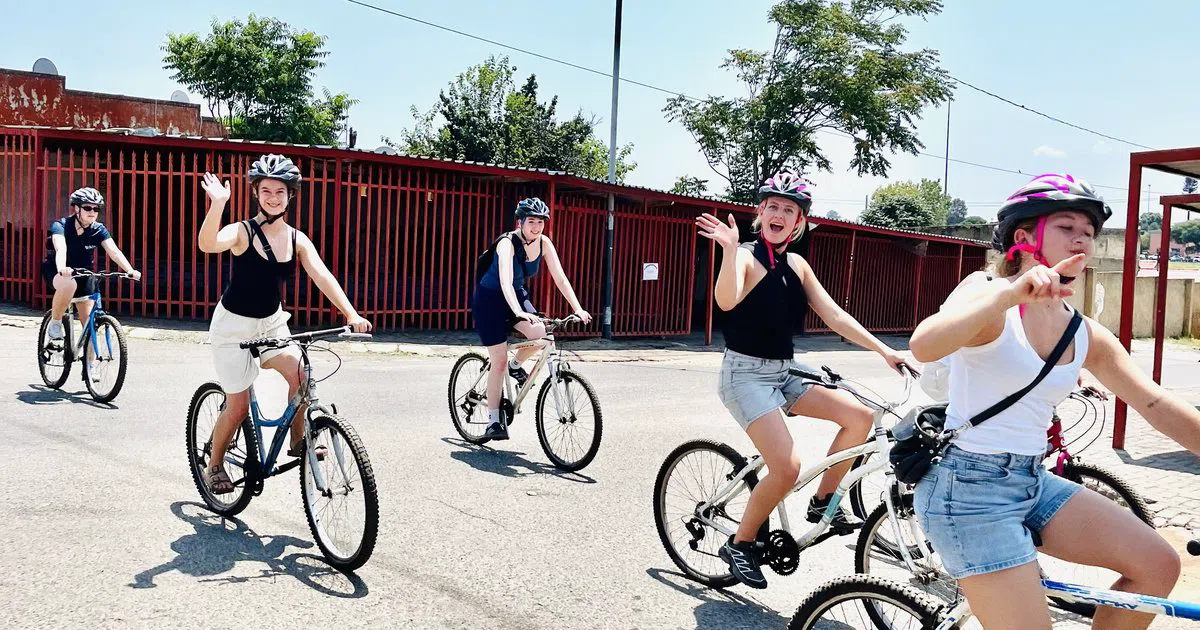
Lebo's Soweto Backpackers (Orlando West) is the practical bridge between this history and its music. Group tours are the core business: two-hour, half-day and full-day bicycle and tuk-tuk routes from about R500 a person, with dorms and camping if a whole party wants to stay. The bicycle route is how you reach the small shebeens that visitors never find alone, and the yard itself runs live bands blending jazz, soul and African beats. Beers and township plates are cheap.
The formal stages Soweto built for itself
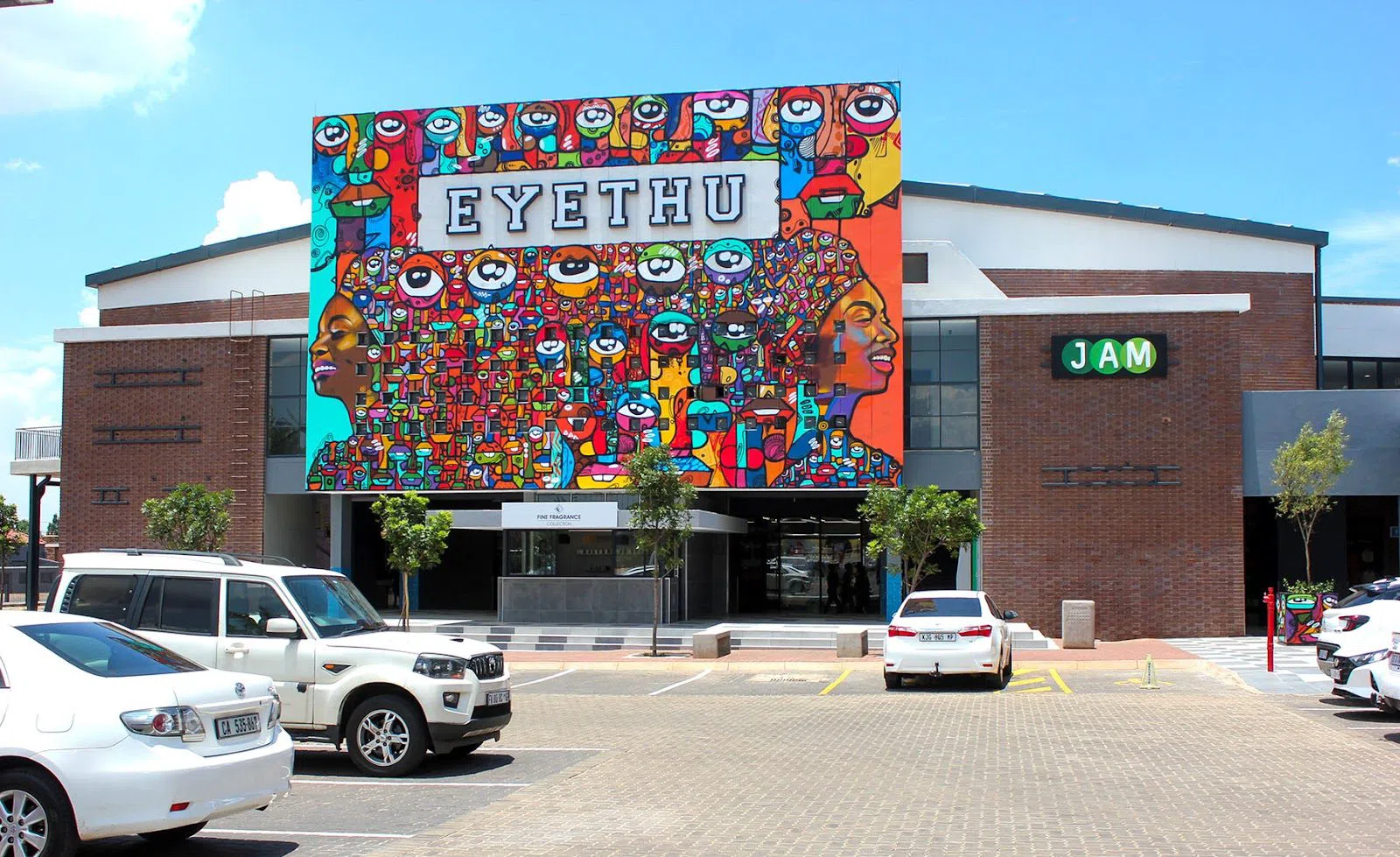
Eyethu Lifestyle Centre (Eyethu Heritage Hall, on Soweto's Art Mile) was founded by Mandla Tshabalala on the bones of the old Eyethu Cinema, and now carries jazz, choral and brass programming. Tickets are event-dependent, typically R100 to R250, and the hall is bookable for functions, so groups are the point rather than a problem. The warning matters more than the pitch here: it runs on an events calendar rather than a weekly residency, so check listings before you promise anyone a specific night.
Soweto Theatre (Jabulani) is the formal stage the shebeens never had, and the host of the Soweto International Jazz Festival. Tickets run roughly R100 to R350, group bookings go by phone on 010 446 1462 or 0861 670 670, and there is secure parking, which makes it the straightforward choice for a large or older group. The 2026 calendar is active, but the jazz festival date has not been published yet, so confirm before you plan a weekend around that one event.

A week that actually works
The city rewards planning by weekday. Wednesday belongs to the jam sessions: Six for the players, Mix for the view, and check the Mix date first. Thursday through Saturday is The Radium, plus whatever Hugh's has on sale. The last Tuesday of the month is Untitled Basement and nothing else. Sunday is the long day. Blind Tiger or Sanctuary Mandela from midday, then Niki's Sunday Jam in the evening, which is the closest a visitor gets to the original session in its original quarter. Fit Soweto into daylight (Vilakazi Street, Wandie's, a bicycle route with Lebo's) and stay on for Ubuntu Kraal after dark rather than driving back and forth twice. Afrikan Freedom Station goes wherever its programme lands, and it is worth rearranging an evening for.
Getting around, paying and what it costs
These rooms are not walkable from one another. Vilakazi Street and its immediate surroundings are fine on foot in daylight, and Newtown is compact, but everything else is a drive. E-hailing works across the city and is what most locals use at night; agree the trip on the app rather than at the kerb, and have the venue call one for the return leg from Soweto, where street pickups are slower. Parking guards expect R10 to R20. If a room is unmarked or newly opened, confirm the address on its own booking page the day before, because several of these places advertise the night rather than the door.
Cards work at the restaurants, the hotel and the theatre. Carry R300 to R500 in cash anyway for small-room doors, tips for musicians passing a hat, and parking. Jazz starts late in the bars, so plan on 21:00 or 22:00 for a first set, earlier if you want to eat. The Sunday sessions are strictly daytime and the good tables go an hour before the music does.
Budget in three tiers. A free-entry night at Six or Blind Tiger with drinks costs R150 to R250 a head. A normal ticketed night (Untitled Basement, Afrikan Freedom Station, Soweto Theatre, a meal at Niki's or The Radium) lands between R250 and R450. The upper end is Hugh's or the full lunch at Sanctuary Mandela, at R600 or more before drinks.
For a base, Rosebank and Houghton put you closest to the Sunday sessions and the northern bars, while Braamfontein and Newtown suit anyone building the trip around the late rooms. Compare rates on the Johannesburg hotel search before fixing a night, since prices swing hard around festival weekends. The wider Johannesburg guide covers the rest of the city if this route is only one part of a longer stay.
Before you go
Which night of the week has the most live jazz in Johannesburg?
Wednesday and Sunday. On Wednesday there is Marcus Wyatt's free jam at Six Cocktail Bar and, on selected weeks, Casual Sax with the Kopano Jazz Collective at Mix Cocktail Bar in Rosebank. Sunday starts at midday with Blind Tiger Café and Sanctuary Mandela's Jazz Sundays in Houghton, then runs into the evening jam at Niki's Oasis in Newtown. Friday and Saturday are for The Radium Beerhall, and the last Tuesday of the month is That Tuesday Funk at Untitled Basement.
Is it safe to go to a shebeen or a Soweto venue as a visitor?
The venues in this article are established businesses, not back-room bars, so the worries are mostly about getting around. Go to Soweto in daylight or with a booking, use e-hailing instead of walking between areas at night, and ask a venue to call your car for the trip back. Soweto Theatre in Jabulani has secure parking and is the easiest option for a large or older group. Lebo's Soweto Backpackers runs guided bicycle and tuk-tuk routes if you want to reach smaller shebeens with someone who knows them.
Do I need to book, and which places take groups?
Book ahead for anything on a Sunday, and for Friday or Saturday at The Radium Beerhall. Sanctuary Mandela sells a limited number of Jazz Sundays tickets and does sell out. Hugh's is ticketed through Quicket, with tables of four to eight. The rooms that take groups are The Radium, Niki's Oasis, Sakhumzi, Wandie's Place, Ubuntu Kraal and Soweto Theatre. Afrikan Freedom Station works for six or fewer, Six Cocktail Bar for two to four unless you book a table, and Untitled Basement is standing room when it is busy.
How much should I budget for a jazz night in Johannesburg?
A free-entry night at Six Cocktail Bar or Blind Tiger Café with drinks costs about R150 to R250 a head. A ticketed night at Untitled Basement, Afrikan Freedom Station or Soweto Theatre, or dinner with a band at Niki's Oasis or The Radium, runs roughly R250 to R450. The top end is Hugh's, from about R300 for the ticket before food and drinks, or R600 for Jazz Sundays at Sanctuary Mandela with the three-course lunch.
Can I hear serious live jazz on Vilakazi Street itself?
Not reliably. Sakhumzi Restaurant, the first restaurant on the street and grown out of the family's shebeen, plays DJ sets at weekends rather than live jazz, and Wandie's Place in Dube has live music only occasionally, with no fixed schedule. Use Vilakazi Street for the historical part of the day, then hear the music after dark at Ubuntu Kraal Lifestyle in Orlando West, or at Soweto Theatre and Eyethu Heritage Hall when their calendars carry it.