
Fifty kilometres northwest of Johannesburg's high-rises, the veld drops into a shallow valley of dolomite hills honeycombed with caves, and in 2026 those caves are still yielding evidence that reshapes what we know about our own species' beginning. This is the Cradle of Humankind, a UNESCO World Heritage Site since 1999, and it rewards a single unhurried day more than almost anywhere else within reach of the city — provided you plan around locked gates, hourly tour slots, and a couple of venues that only open on weekends. The area is bigger than most day-trippers expect: a patchwork of private reserves, working farms, and fossil sites spread across the same limestone landscape, which is exactly why a plan matters more here than at a single museum. What follows isn't a checklist of everything in the area; it's a working itinerary built from what's actually bookable, open, and worth the drive.
Start Underground: Maropeng and Sterkfontein
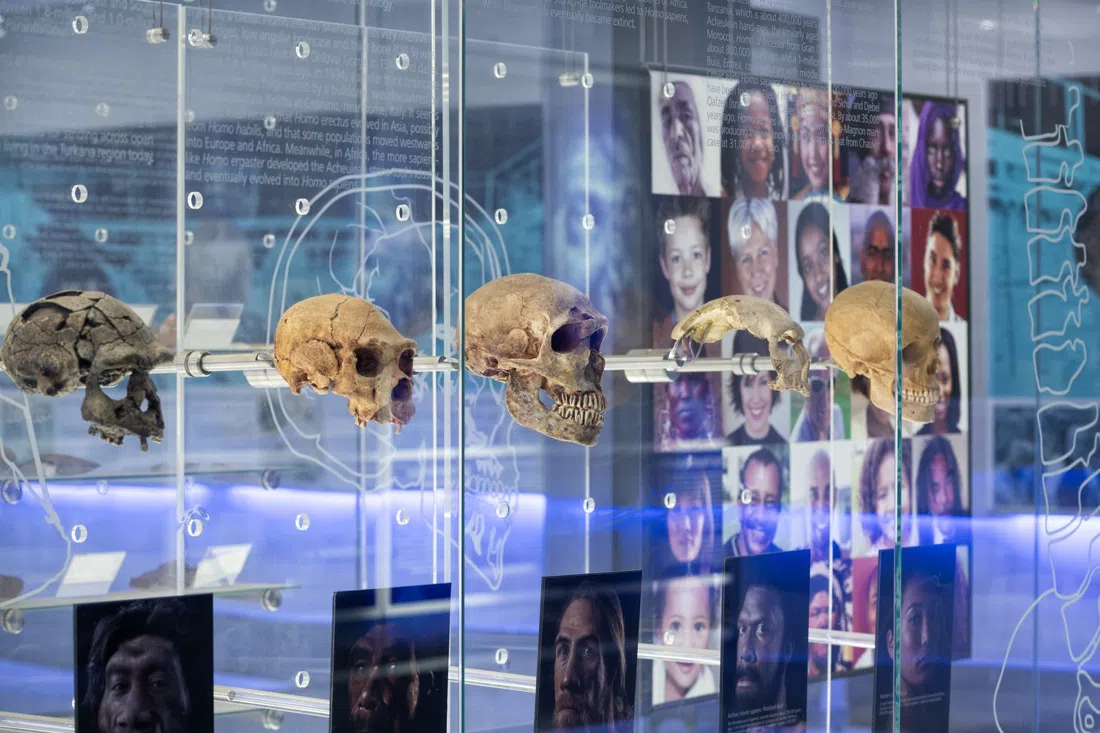
Every credible Cradle itinerary begins at the same two sites, in the same order, because the story only makes sense that way. Maropeng Visitor Centre, at the edge of the Cradle's core zone off the R400, is the purpose-built entry point — a grass-roofed building sunk into the hillside that functions as museum, orientation centre, and group logistics hub in one. Adult entry runs roughly R190–R250, and the centre takes online group bookings, which matters if you're arriving with a school group, a conference add-on, or simply a party larger than four. Inside, the "Beginning of the World" walkthrough moves you from the Big Bang to early hominids over about 45 minutes, and the current headline exhibition covers Homo naledi — the small-brained, tree-climbing hominid pulled from the nearby Rising Star cave system, a find that is still being argued over in academic journals. Go through Maropeng first. It gives you the timeline and the vocabulary for what comes next, a short drive down the same access road.
Sterkfontein Caves is where that timeline stops being an exhibition and becomes a hole in the ground. This is not a re-creation: it's the working excavation, still run by the University of the Witwatersrand, that produced "Mrs Ples" and "Little Foot" — two of the most cited hominid fossils on the planet, and the reason the whole valley eventually took the name it has today. The first breakthrough came in the 1930s and '40s, when the palaeontologist Robert Broom pulled adult australopithecine remains from these same passages and forced the scientific establishment to take Raymond Dart's earlier Taung Child discovery seriously; the dig has barely stopped since. Entry is guided only, tours run hourly, and the caves are closed on Mondays, so build your week around that if a Monday is your only free day. Standalone adult entry is around R165, or R350 combined with Maropeng — the sensible choice for almost everyone, since the two sites are one narrative told in two buildings. Book the combo ticket, arrive by mid-morning, and allow close to three hours between both stops. The cave section involves stairs and low ceilings in places, and a temperature drop worth a light layer even in Johannesburg's summer heat.
Above Ground: Where the Living Landscape Takes Over
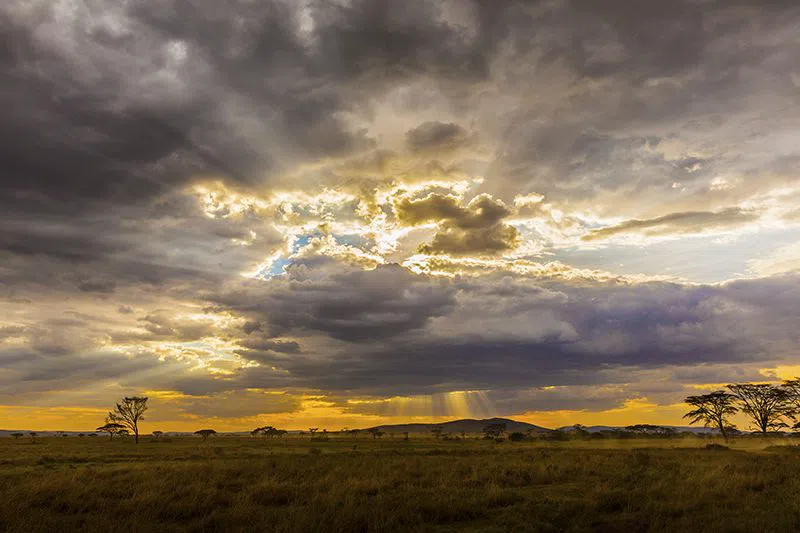
The fossil sites tell you what happened here millions of years ago; the reserves around them show you what the same dolomite valleys support now, and pairing the two is what makes the day feel complete rather than academic. None of this land was ever farmed hard enough to erase the bushveld cover, which is part of why it still supports genuine game rather than a fenced-in curiosity.
Bothongo Rhino & Lion Nature Reserve, off the R563 northwest of the city, recently dropped its old name — Rhino & Lion Park — for Bothongo, and it's worth using the current name when you search or book, since old listings and signage are still catching up. It's the one stop in the area that combines an actual game drive with a show cave under a single gate fee: SATOUR-registered guided drives run alongside a self-drive option for visitors who'd rather set their own pace, and groups are handled without fuss. Like Sterkfontein, it's closed Mondays except on public holidays. This is a half-day commitment on its own, so treat it as an alternative to the wildlife-and-flight pairing below rather than an add-on to an already full fossil morning.
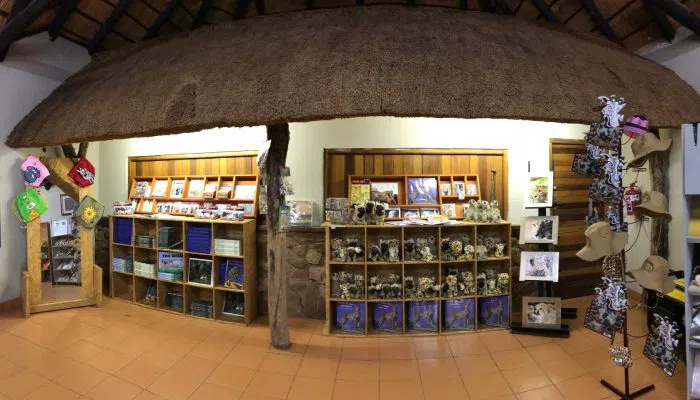
Ann van Dyk Cheetah Centre sits just outside the Cradle's strict formal boundary but squarely on the same day-trip corridor, and it's the strongest living counterpoint to a morning spent among fossils — conservation happening in real time rather than fifty thousand years ago. Renamed in 2010 from De Wildt, after the breeder who built the programme from the 1970s onward, it runs two-hour guided game-drive tours and one-hour walking tours twice daily, and booking ahead is essential rather than optional; this is not a gate you can turn up to and expect a slot. Historic adult pricing sits around R380, with children around R250, though rates should be confirmed directly before booking since they move. Groups are welcome, but the format — small vehicles, timed departures — suits an organised party better than a walk-in crowd.
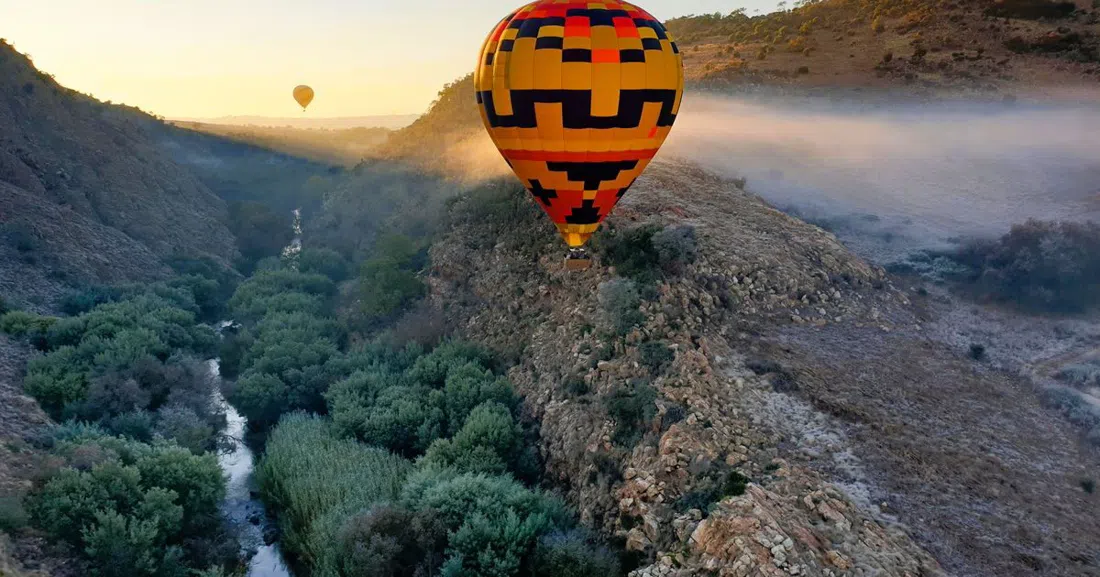
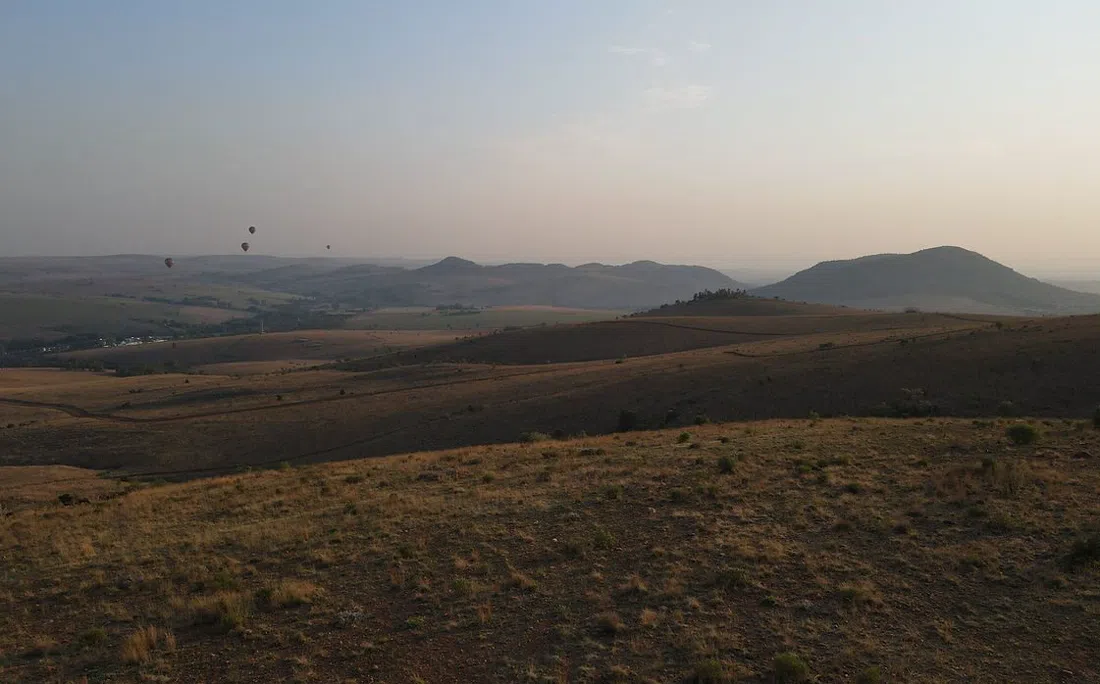
For a different angle on the same valley, AirVentures Hot Air Ballooning takes you above it rather than through it. A dawn flight over the Cradle's hills reframes the whole day: from a few hundred metres up, the fossil sites and reserves resolve into a single continuous landscape rather than a list of separately ticketed stops, which is arguably the point of the trip. Standard pricing runs around R3,500 per person, dropping to R3,250 per person for groups of 12 to 50 — genuinely one of the few Cradle experiences priced to reward groups rather than penalise them — with a child rate of R1,900 for ages 7 to 12. Book seven to fourteen days out; ballooning is weather-dependent and the calm mornings fill first.
Lunch: Two Ways to Eat the Cradle
Where you eat says something about how you want the rest of the day to feel, and the Cradle offers two genuinely different registers rather than one obvious default.
The Cradle Boutique Hotel & Restaurant, perched directly on the World Heritage site itself rather than a drive away from it, is the sit-down option — upper-mid to premium, with no published menu pricing, which is itself a signal to book and ask rather than assume. Reservations go through [email protected], and it suits small groups and couples better than a large party; this is a considered lunch with a view over the valley, not a quick refuel between tour slots. If your day is fossil-heavy and you want to end it seated rather than standing in another exhibition hall, book this ahead rather than deciding on the day.
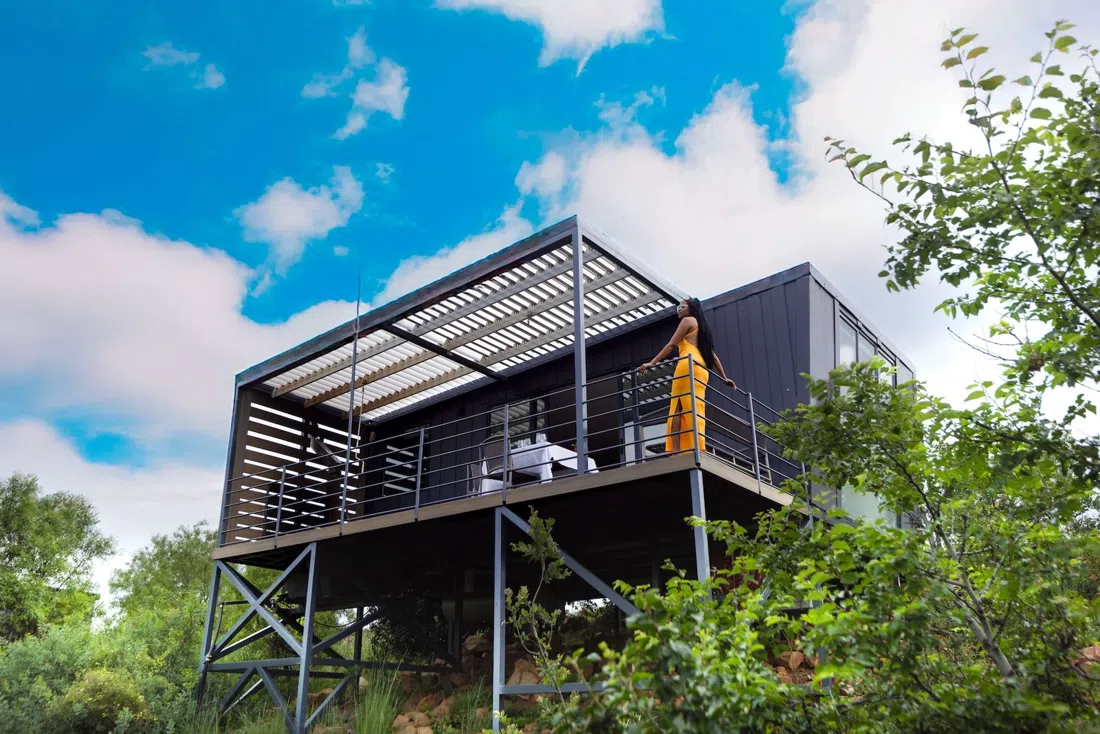
FARMHOUSE58 sits at the other end of the register: a genuine working farm with a farm-to-table restaurant and farm stall, rather than the roadside "farm experience" packaging that shows up elsewhere on this route. It suits small groups well, sits at mid-range pricing, and — like The Cradle — doesn't publish a fixed menu, so email [email protected] ahead of time to confirm what's running that week. If you want the rural Cradle texture between two fossil sites rather than a formal dining room, this is the better fit.
A Detour for the Weekend Traveller
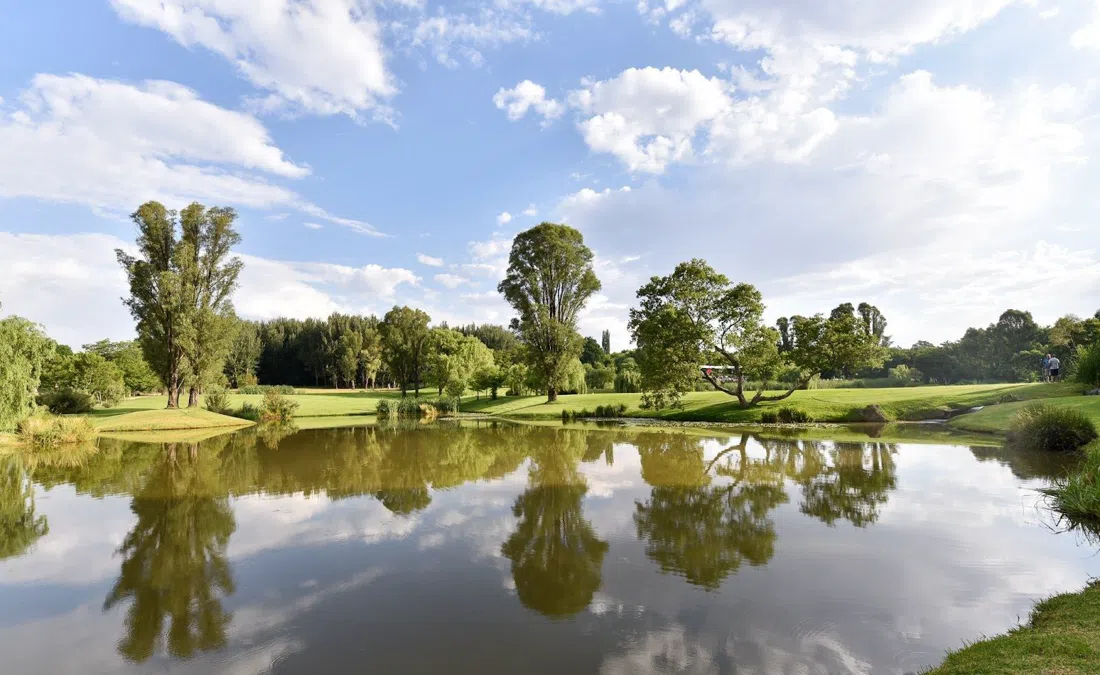
Nirox Sculpture Park is the one entry on this list you cannot simply build into a weekday itinerary: it opens only on weekends and public holidays, 10:00 to 17:00, full stop. If your Cradle day happens to fall on a Saturday or Sunday, it's worth the detour — a landscaped sculpture park set into the same valley as the fossil sites, offering a counterpoint to pure palaeoscience that nothing else on this list provides. Entry is a modest fee, confirmed on-site rather than published broadly, and small groups move through comfortably. The sculptures sit unfenced across open grassland and wetland, which makes the walk itself part of the experience rather than a corridor between plinths — bring proper shoes, not sandals. But check the calendar before you promise it to anyone; there is no version of this stop on a Tuesday.
Staying the Night
Most visitors treat the Cradle as a day trip out of Johannesburg and drive back after dark, but the area supports an overnight extension well, and two options here handle it differently.
Cradle Moon Lakeside Game Lodge, recently restored under new ownership, welcomes day visitors for a R50 conservancy entry fee against valid ID — no outside food or drink, no braai, so this is a lodge on its own terms rather than a picnic spot. It's the low-key way to close a fossil-heavy day: lakeside, unhurried, with activity and dining add-ons available once you're through the gate.
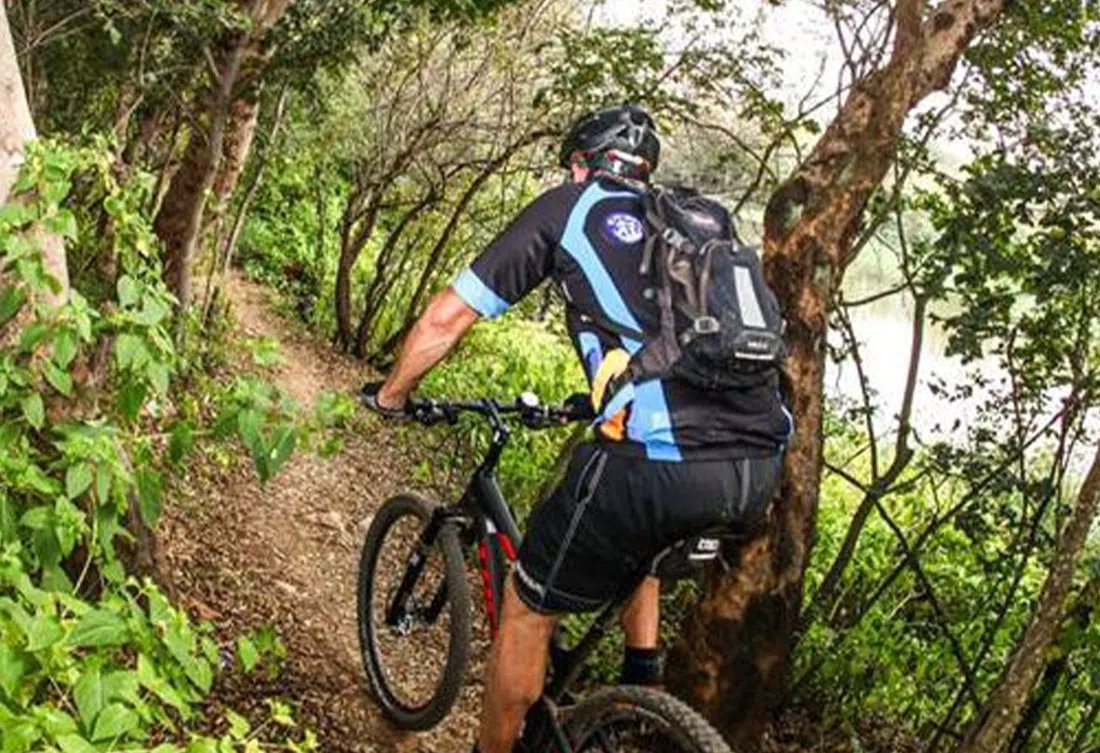
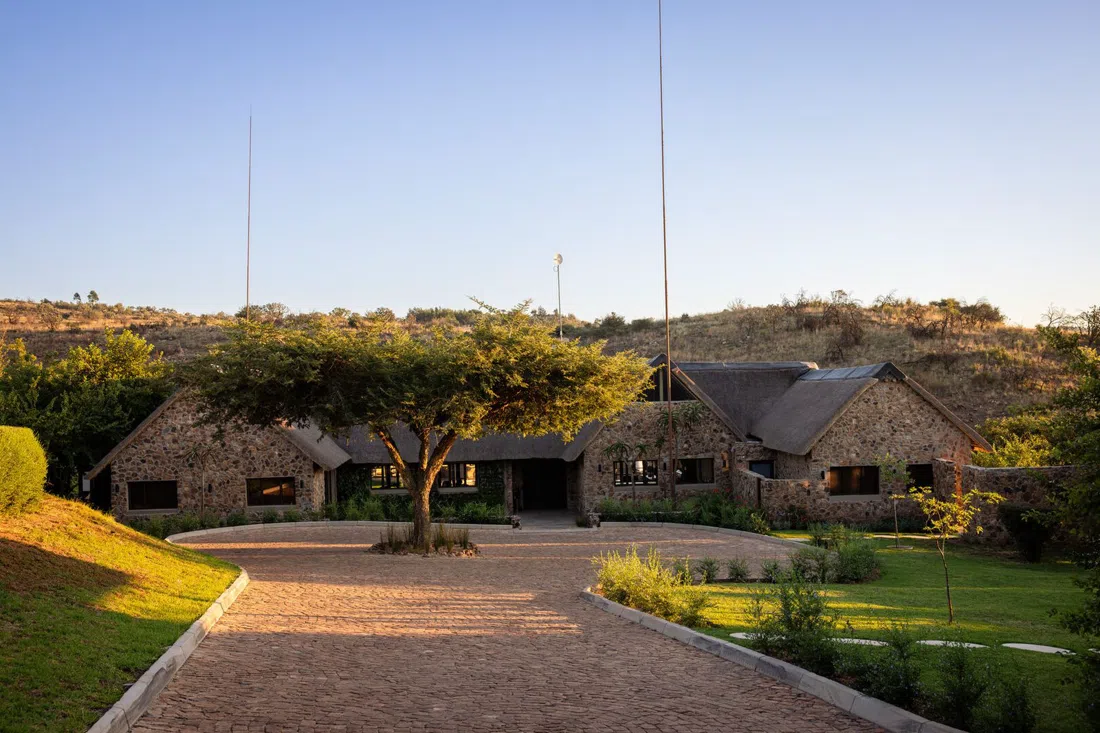
Sibani Lodge is built more explicitly for the reader who wants to stay inside the Cradle rather than fight traffic back into the city after dark. Day visits are permitted with pre-booking, and groups can be accommodated by arrangement, but its real strength is overnight — nightly rates run roughly $85–181, with day-visit pricing available on request. For anyone stretching this into a two-day trip, or simply avoiding the drive home at dusk, this keeps you inside the landscape the whole time.
Planning the Day: Transport, Cash, Timing, Budget
Getting there. The Cradle has no meaningful public transport coverage — this is a self-drive or organised-tour day. Most sites sit within a 30–45 minute drive of one another along the R400, R563, and connecting farm roads, and a rental car or a driver booked out of Johannesburg is the only realistic way to string more than two stops together. If you're staying centrally, a Johannesburg hotel search is worth doing with easy highway access northwest of the city in mind — it's the direction nearly every itinerary above starts from.
Cash and cards. Visitor centres, reserves, and the larger lodges take cards without issue, but smaller operators — farm stalls, some day-visitor gates — are more comfortable with cash for entry fees under R100. Keep a small amount of rand on hand; it saves the awkward stall at a boom gate.
Timing. Sterkfontein and Bothongo both close Mondays (Bothongo reopens on public holidays), so avoid building a Monday itinerary around either. Ann van Dyk's tours run to a fixed twice-daily schedule and require advance booking — this is the one stop that can quietly break your day if you leave it to chance. Nirox is weekends and public holidays only. A realistic single day covers Maropeng, Sterkfontein, and lunch; adding a wildlife stop or the balloon flight genuinely needs a second day, or an early start before sunrise. Highveld weather also matters here more than it does in the city centre: summer afternoons (November to March) bring sharp thunderstorms that can ground the balloon and make the reserve roads slow going, so morning activity and an afternoon indoors — Maropeng, or lunch — is the safer sequencing. Winter mornings (June to August) are cold enough for a proper jacket before sunrise, but the skies are reliably clear, which is exactly what a balloon flight needs.
Budget. A fossil-focused day for two — Maropeng and Sterkfontein combo tickets plus a sit-down lunch — runs comfortably under R1,500 total before transport. Add Ann van Dyk or Bothongo and you're closer to R2,500–R3,000 per person for the full day. The balloon flight is the single biggest line item, at R3,500 per person standard, though the group rate of R3,250 pp for parties of 12 or more brings it down meaningfully for anyone travelling with a larger group. For everything else worth doing back in the city once you're done here, the Johannesburg guide covers what this day trip sits alongside.