
Johannesburg
Johannesburg is a city built on gold, grit, and relentless ambition.
Guests & rooms
The Johannesburg guide
An insider’s read on Johannesburg
JJohannesburg is a city built on gold, grit, and relentless ambition.
Born from a 19th-century gold rush, the city rapidly transformed from a dusty mining camp into Africa's economic engine. Its identity is permanently shaped by the struggle against Apartheid, a history preserved in its raw, uncompromising museums and public spaces. Today, the local character is defined by a forward-looking resilience. It is a city of self-starters, where contemporary art, fashion, and jazz thrive amidst a complex urban landscape.

PLATE IJohannesburg, South Africa

Guides & ideas
The Johannesburg reading list
Hand-written guides from our editors — itineraries, the best of after dark, where to eat, and what’s genuinely worth your time.
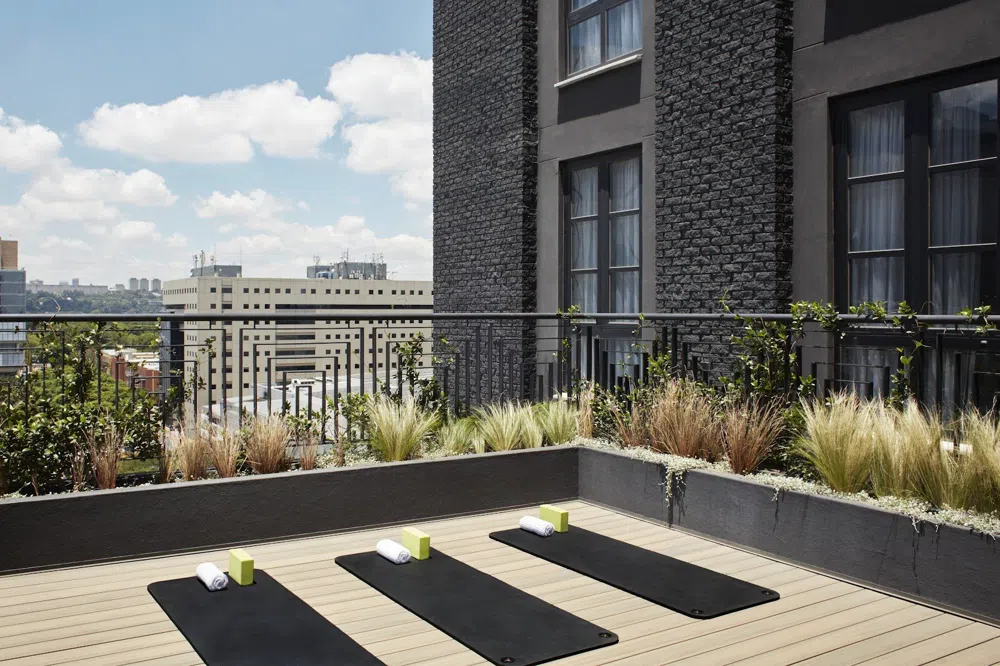
Where to Sleep on Your First Visit to Johannesburg
Rosebank, Sandton, Melrose Arch or the inner city: how to pick the Johannesburg base that fits your first three nights, with real prices and honest trade-offs.
Johannesburg Weekend Markets and What to Do After
Every Johannesburg market worth a weekend morning, with its 2026 trading hours, what you pay in rand and the afternoon that goes with it.
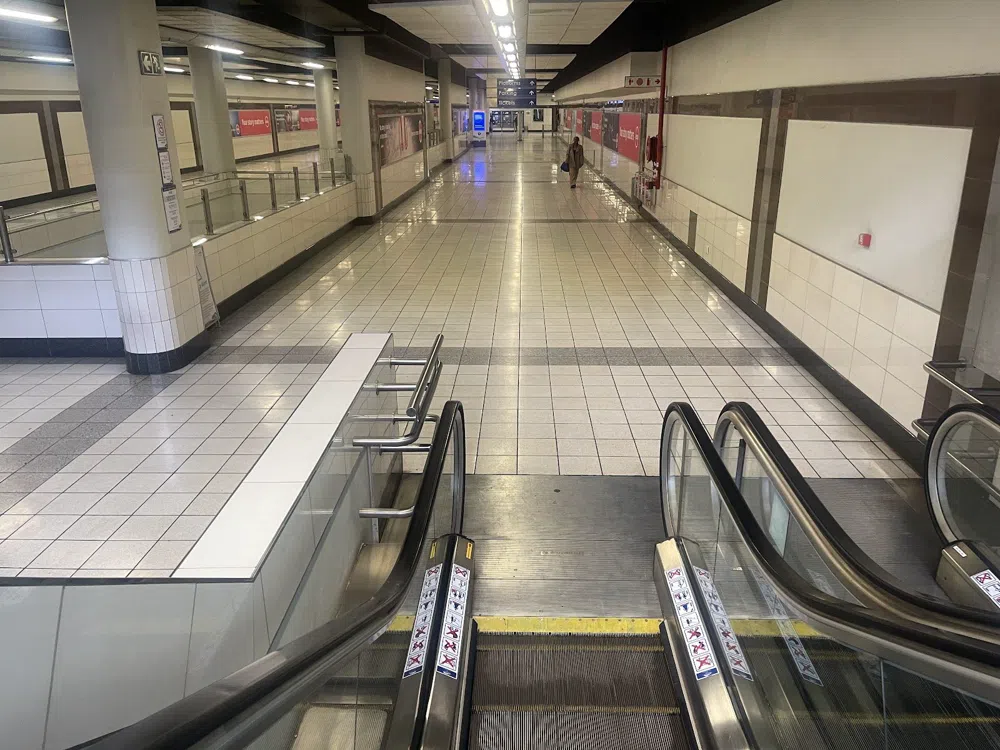
How Johannesburg Works Without a Rental Car
A rail spine, two competing ride apps, one usable bus corridor and a set of guided walks: what a car-free Joburg trip actually runs on, and the hour it stops.
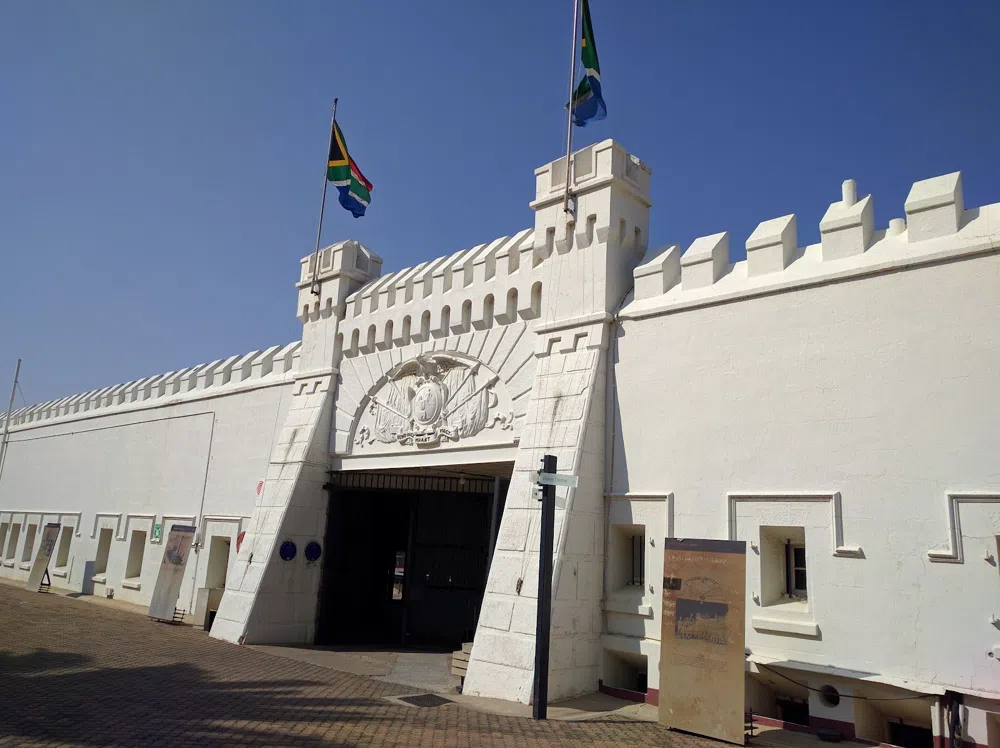
Three Days in Johannesburg, No Car Needed
Constitution Hill, a bike ride through Soweto and the Sunday markets, reached on the Gautrain, in e-hails and on two tours booked in advance.
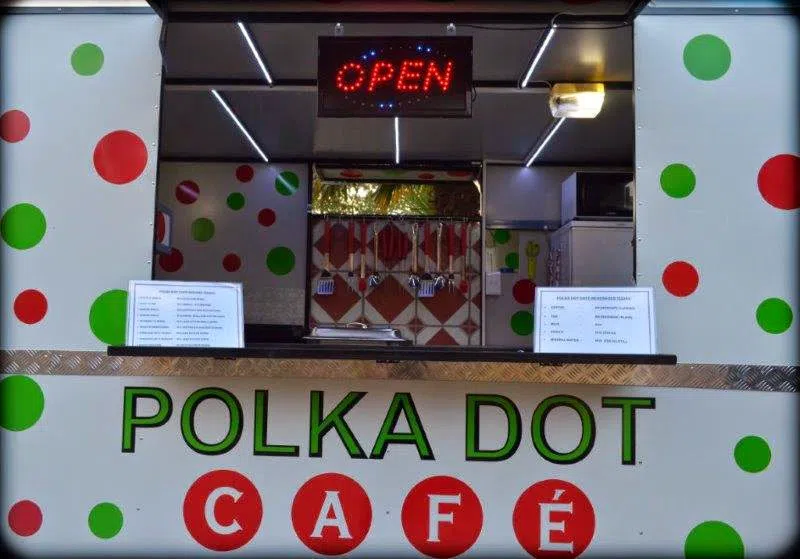
How Johannesburg Eats Its Way Through a Saturday Morning
The Jozi market circuit runs in a fixed order, from an 08:30 farm stall to a Fordsburg pavement at nine at night, with prices, door realities and the two markets everyone still gets wrong.
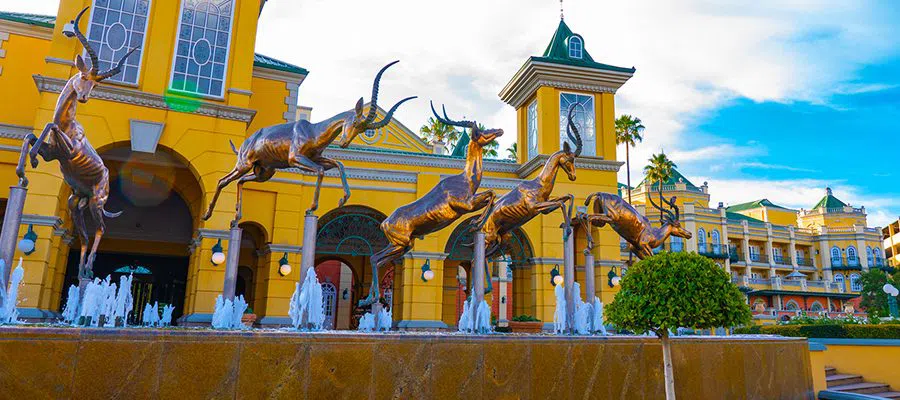
The Gold Dumps That Became Johannesburg's Strange New Parks
A walking, hiking and driving route through the man-made ridges that built Johannesburg, now being slowly dug up and sold a second time.
Where to base yourself
The neighborhoods
01
Rosebank
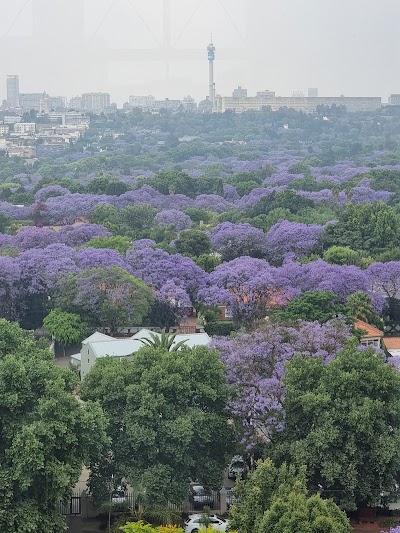
For First-time visitors and business travelers who prioritize safety, convenience, and easy transit access. The trade-off is a slightly sanitized, corporate feel.
A highly walkable, cosmopolitan commercial hub filled with art galleries, outdoor malls, and sidewalk cafés.
Where to stay — Modern business hotels and upscale boutique lodgings clustered around the Gautrain station.
02
Melville
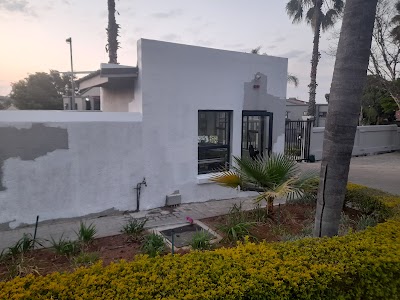
For Creatives, academics, and budget-conscious travelers. The trade-off is that it can get noisy on weekend nights, and petty crime requires vigilance.
A bohemian, leafy residential suburb centered around the lively restaurants and bars of 7th Street.
Where to stay — Charming guesthouses and mid-range bed-and-breakfasts set in heritage homes.
03
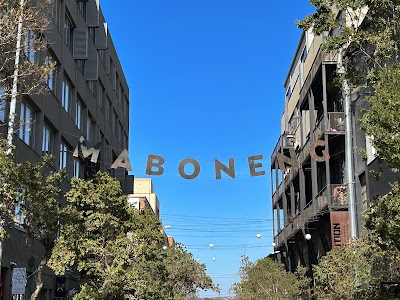
Maboneng
For Art lovers and urban explorers who want to experience the city's creative rebirth. The trade-off is that it borders high-crime areas, requiring strict adherence to safety boundaries.
An industrial-chic inner-city enclave defined by street art, warehouse conversions, and creative energy.
Where to stay — Industrial loft apartments and trendy budget boutique hotels.
04
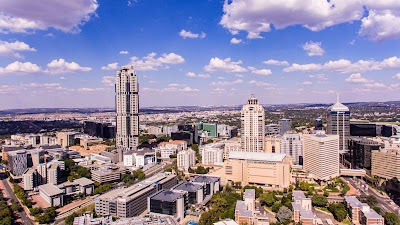
Sandton
For Business travelers and luxury shoppers who want maximum security. The trade-off is a complete lack of historic character and street-level soul.
The glass-and-steel financial heart of the city, dominated by massive shopping complexes and corporate towers.
Where to stay — High-rise international luxury hotels and serviced apartments.
05
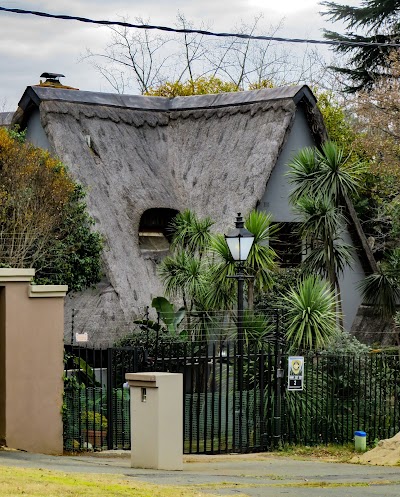
Parkhurst
For Families, foodies, and travelers seeking a relaxed, neighborhood atmosphere. The trade-off is the lack of public transport and high accommodation prices.
A wealthy, village-like residential suburb centered on the trendy dining strip of 4th Avenue.
Where to stay — High-end private guesthouses and luxury self-catering villas.
06
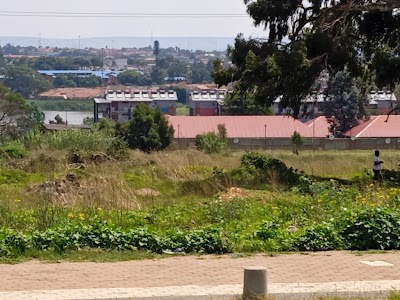
Soweto (Orlando West)
For History buffs and culturally curious travelers. The trade-off is that it is far from the northern suburbs and requires careful navigation, ideally with a local guide.
The historic heart of the liberation struggle, filled with energy, monument sites, and community life.
Where to stay — Authentic township homestays and community-run guesthouses.
Book direct
Book a hotel in Johannesburg
Loading live availability and real-time prices…
Where to eat
Dining
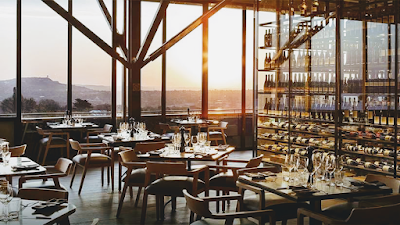
Marble
€€€€Rosebank
It offers theatrical wood-fired cooking paired with sweeping views of the northern suburbs from a sleek, glass-fronted dining room.
Signature — Rib-eye on the bone, cooked over open coals.
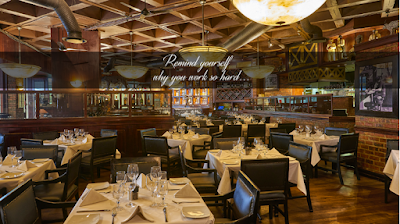
The Grillhouse Rosebank
€€€Rosebank
A classic, clubby institution featuring dark wood, leather booths, and consistently flawless cuts of aged beef.
Signature — Slow-roasted prime rib of beef.
After dark
Nightlife
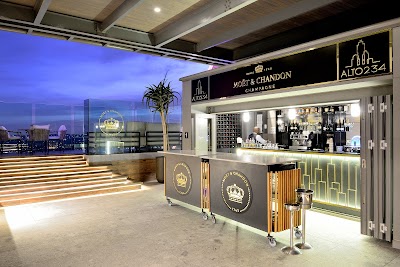
Alto234
Sandton
Located on the rooftop of The Leonardo, this is the highest commercial bar in Africa, offering unparalleled 360-degree views.
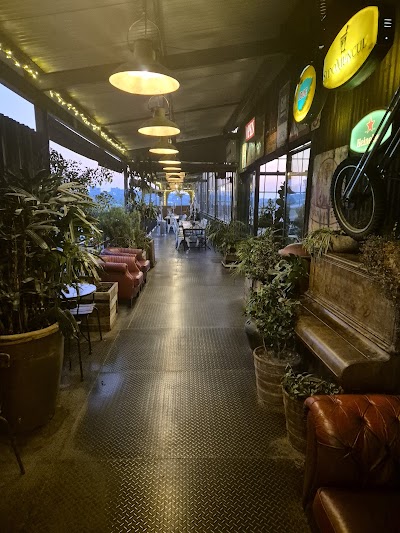
Sir James van der Merwe
Kramerville
An eclectic, warehouse-style bar filled with vintage curiosities, open only on Wednesday nights.
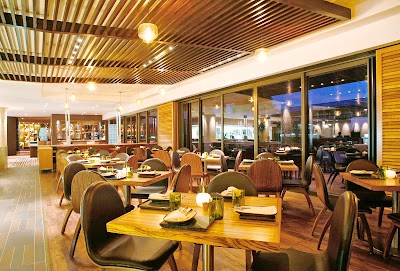
San Deck
Sandton
An expansive outdoor terrace featuring large fire pits, high-end cocktails, and views of the Sandton skyline.
Art & history
Culture
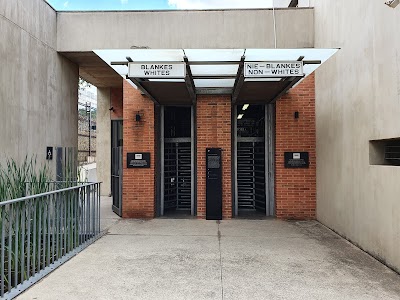
Apartheid Museum
Ormonde
The definitive museum illustrating the rise and fall of state-sanctioned racial segregation, using multi-media exhibits.
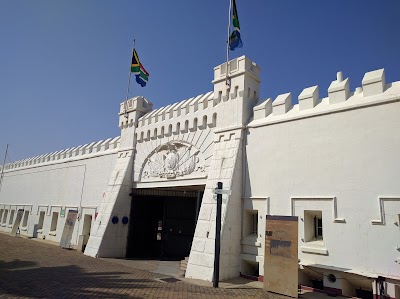
Constitution Hill
Braamfontein
A former prison complex that once held Nelson Mandela and Mahatma Gandhi, now home to the country's highest court.
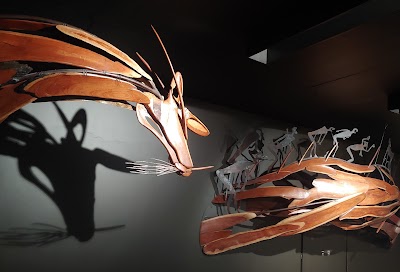
Origins Centre
Braamfontein
A museum dedicated to the history of humanity, showcasing ancient rock art and archaeological discoveries.
Book ahead
Top-rated experiences in Johannesburg

Pretoria,Johannesburg,soweto & Apartheid Museum tour
from $168

Johannesburg: Hot Air Balloon Flight along Magalies Valley
from $367

Johannesburg and Soweto Tour (6-7 hours)
from $124

Exploring Johannesburg through Skateboarding - incl. skate lesson for beginners!
from $57

Elephant Sanctuary Tour from Johannesburg
from $310

4 Days Radisson Kruger Safari Tour from Johannesburg
from $2226

4-Day Kruger National Park Safari from Johannesburg
from $2081

Exclusive Classic Flight for Two
from $335
Prices from Viator; we may earn a commission when you book — at no extra cost to you. Tours are sold and operated by Viator, the merchant of record. Ratings are collected by Viator and Tripadvisor.
Timing
When to visit
Spring (September to November)
The city turns purple as thousands of jacaranda trees bloom. Temperatures are warm, and the outdoor dining scene comes alive before the heavy summer rains begin.
Summer (December to February)
Hot days are regularly cooled by dramatic, late-afternoon thundershowers. Many locals head to the coast, making the city streets noticeably quieter.
Autumn (March to May)
Mild, golden days with clear skies. This is an excellent time for outdoor sightseeing and exploring the city's leafy northern suburbs.
Winter (June to August)
Dry, crisp, and sunny days with cold nights. While temperatures drop significantly after dark, the lack of rain makes it ideal for wildlife viewing nearby.
What it costs
Budgeting
Logistics
Getting around
From the airport
The Gautrain is the safest and most efficient link from OR Tambo International Airport to major hubs like Sandton and Rosebank, taking under thirty minutes.
Public transit
The Gautrain rail network connects key commercial areas, but its reach is limited. The Rea Vaya rapid bus transit system covers parts of the inner city and Soweto, though it is rarely used by international visitors.
Passes & tickets
The Gautrain Swift Card is essential for rail travel, easily topped up at stations using cash or cards (€).
On foot
The city is highly car-centric. While specific pockets like Rosebank, Melrose Arch, and Parkhurst are highly walkable, navigating between neighborhoods on foot is neither practical nor safe.
Travel smart
Safety & etiquette
Local etiquette
- •Always greet people politely before asking for assistance; a simple 'hello, how are you?' goes a long way.
- •Tip car guards who watch your vehicle in public parking areas; a small tip of 5 to 10 Rand is standard.
- •Ask permission before taking photos of people, particularly in residential areas of Soweto.
From the ground
Practical tips
1
Download the EskomSePush app to track load shedding schedules so you are never caught in the dark.
2
Always carry small cash denominations (10 and 20 Rand notes) to tip informal car guards.
3
Do not use your phone while waiting for an Uber on the pavement; wait inside the venue until the car arrives.
4
Book your Apartheid Museum tickets online in advance to avoid long queues during peak weekend hours.
5
If renting a car, learn the hand signals of local minibus taxis, as they frequently stop abruptly without using indicators.
6
Keep your passport locked in your hotel safe and carry a digital copy on your phone instead.
Johannesburg FAQs
Is Johannesburg safe for tourists?
Yes, provided you stay in secure neighborhoods like Rosebank or Sandton, use Uber for transport, and avoid walking at night.
How do I get from the airport to the city safely?
The Gautrain is the safest, fastest, and most reliable option, connecting the airport directly to Sandton and Rosebank.
Can I drink the tap water?
Yes, the tap water is high quality and safe to drink throughout the metropolitan area.
Do I need a car to get around?
No, most tourists rely entirely on Uber, which is affordable, reliable, and safer than navigating the complex road network yourself.
What is load shedding?
These are scheduled power outages used to manage the national grid. Most major hotels and restaurants have backup generators, but it is wise to keep a power bank charged.